Let’s face it: parenting is a wild ride. As much as we try to prepare for it, there’s no guidebook that can truly capture the quirks and conundrums that come with raising kids. One of the trickiest aspects? The fine line between loyalty and respect. Some parents seem to prioritize loyalty over respect, especially in certain situations. Here are four of those scenarios where you might notice this dynamic playing out.
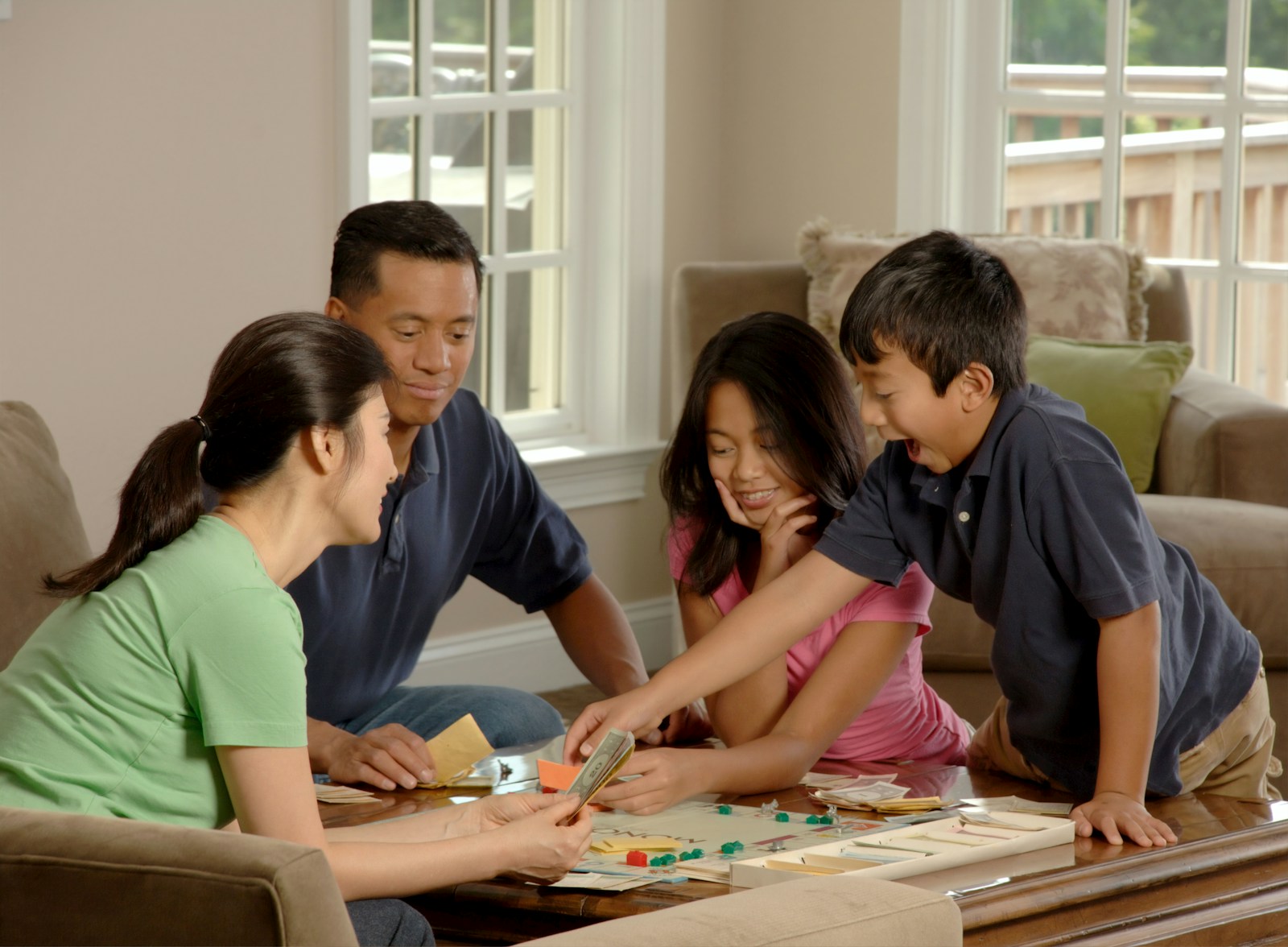
1. When It Comes to Sibling Rivalry
Ah, sibling rivalry—the age-old battle that can turn even the most peaceful home into a battlefield. Parents often want their kids to have each other’s backs, no matter what. So, when one sibling feels wronged, the expectation is that the other will jump to their defense like a knight in shining armor. Instead of encouraging respectful dialogue, some parents might unintentionally push the narrative that loyalty is the golden rule. “You always stand by your brother, no matter what!” they might say. This can lead to a code of silence, where kids feel they must choose sides instead of working through their issues together.
2. Navigating Friendships
Friendship dynamics can be tough, especially in the tween and teen years when emotions run high. Parents often urge their kids to stick together with their friends through thick and thin, sometimes at the expense of healthy boundaries. This can manifest in phrases like, “You should support your friend, no matter what they do.” While it’s lovely to encourage loyalty, it can inadvertently send the message that respect for oneself and others can take a back seat. Kids might feel torn between standing by a friend and recognizing when that friend is crossing a line. Teaching them that it’s okay to value their own feelings while being supportive can be a game-changer.
3. In the Face of Authority Figures
Respecting authority is one of those age-old lessons every parent tries to instill. But sometimes the focus shifts from respect to loyalty, especially when kids are faced with teachers, coaches, or even family members. Parents might remind their kids to “always have your teacher’s back” even if they don’t agree with their methods. While it’s important to show respect, blind loyalty can lead to kids feeling uncomfortable or pressured to go against their own values. Encouraging kids to voice their opinions respectfully can help them learn to navigate these tricky waters without feeling like they’re betraying someone.
4. When It Comes to Family Traditions
Family traditions are beautiful, but they can also get a bit sticky, particularly when kids are growing up and starting to form their own identities. Parents might find themselves saying things like, “You need to participate in the family holiday events because we’ve always done it this way!” This can create a sense of obligation rather than genuine love for the tradition. Kids might feel pressured to be loyal to family customs, even when those customs don’t resonate with them personally. Encouraging open conversations about traditions can help kids understand their significance while also feeling free to express their own preferences.
The Balance Between Loyalty and Respect
So, where’s the happy medium? It’s all about fostering a healthy environment where kids feel safe expressing themselves while also understanding the value of loyalty to family and friends. Parents can encourage loyalty by promoting teamwork and support, but also emphasize the importance of respect—both for oneself and for others.
It’s vital to teach kids that loyalty doesn’t mean turning a blind eye to toxic behavior or blindly following traditions. It’s about supporting one another through challenges, while still maintaining a sense of individuality and moral compass. After all, you want your child to grow up to be a compassionate adult who can stand up for what’s right, not just someone who goes along to get along.
In the end, parenting is all about trial and error. We’re all just trying to do our best, even when we sometimes trip over our own expectations. So, if you catch yourself leaning more toward loyalty than respect in certain situations, it’s okay to pause and reevaluate. After all, raising kids is less about being perfect and more about being present and open to growth—both theirs and your own.
So, the next time you find yourself in a situation where loyalty is the name of the game, consider how respect can play a role, too. It’s all about balance, and that’s what makes parenting such an adventure.
More from Willow and Hearth:
Leave a Reply