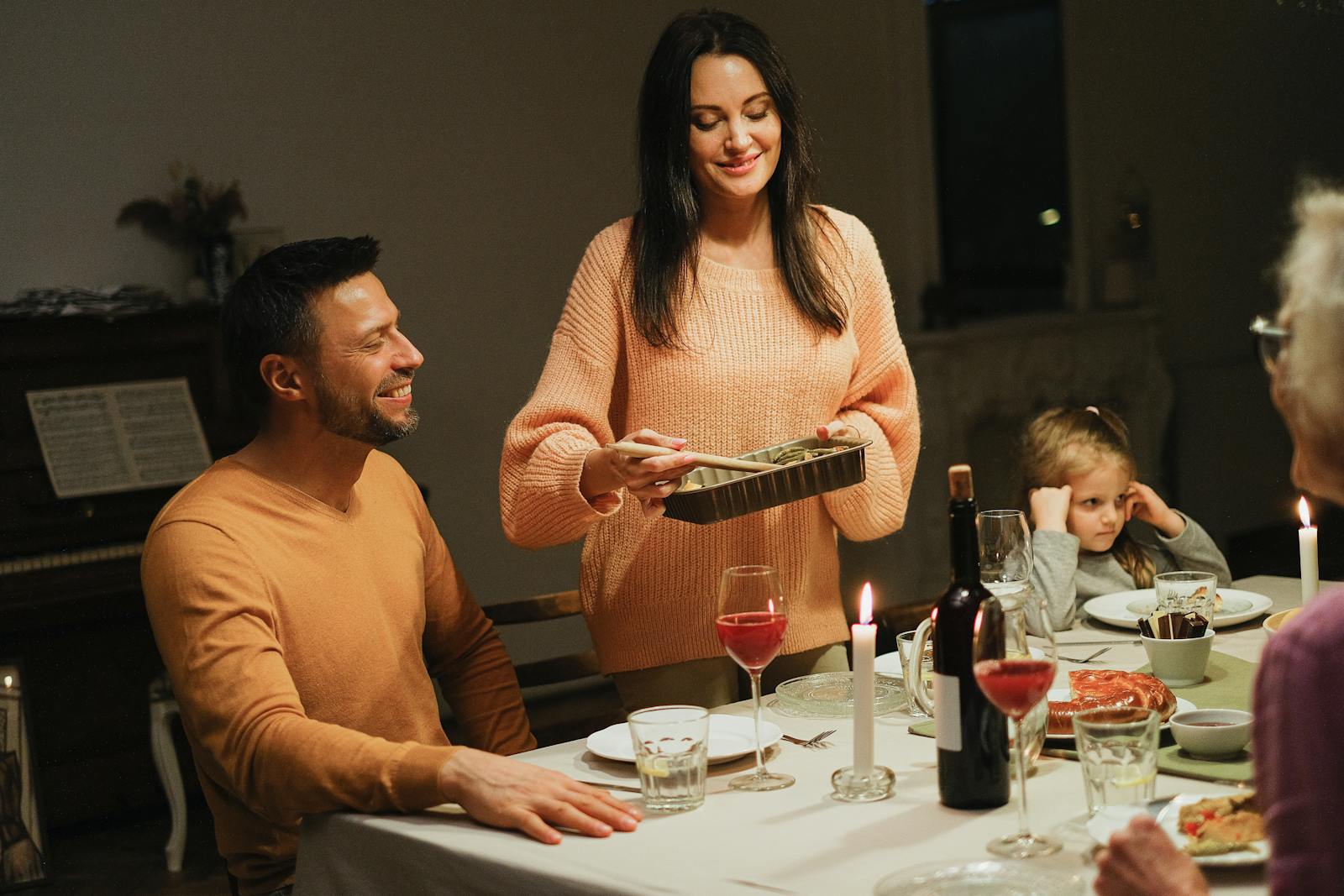
Picture this: it’s a cozy family dinner, the table is set just right, and the smell of something delicious wafts through the air. You’re all gathered around, forks poised and ready, when suddenly, you realize one crucial element is missing—some good old-fashioned conversation. Instead, there’s a palpable silence, and your stepdaughter is staring blankly at her plate. Sound familiar? Trust me, you’re not alone.
It’s been a few months since I married my husband, and while we’ve successfully blended our lives, the transition hasn’t been as smooth as I’d hoped, especially when it comes to my stepdaughter, Mia. At 14, she’s navigating her own whirlwind of emotions, and I’m just trying to figure out my role in her life without stepping on any toes—or, heaven forbid, triggering a teenage eye-roll!
The Dinner Table Standoff
So here we are, sitting at the dinner table, and I’m tossing out questions like, “How was school today?” and “Did you finish that book you were reading?” Only to be met with silence, followed by an exaggerated sigh that could rival even the best dramatic performances. I get it, she’s not ready to open up, but it doesn’t make it any easier when I’m trying my best to connect.
My husband, bless him, is the calm in this storm. He thinks it’s all about “giving her time to adjust.” I can appreciate that perspective, but I’m left feeling like the awkward step-parent in a sitcom who doesn’t get any punchlines. I want to build a relationship with Mia, but when she’s giving me the silent treatment, it feels more like a game of emotional dodgeball where I’m the only one trying to catch the ball.
Understanding the Adjustment Period
It’s essential to remember that blending families isn’t an overnight process. Just like baking a cake requires time in the oven, so does forming a bond with a stepchild. Mia’s life has changed drastically, and she’s likely grappling with feelings of confusion, loyalty, and maybe even jealousy. A new parental figure can feel like a threat, even if you’re not trying to replace anyone.
So, what can you do when the dinner table feels more like a battleground than a place for connection? First off, patience is key. Kids, especially teenagers, need time to adjust to new dynamics. They’ve got their own lives going on, and sometimes they just need to process things at their own pace. But it’s also important to find a balance between giving them space and gently nudging them toward communication.
Creating a Safe Space
One approach I’ve found helpful is to create a relaxed environment where Mia feels safe to express herself—whenever she’s ready. Instead of firing questions at her, I’ve started incorporating activities that might spark conversation. Game nights, movie marathons, or even cooking together can break the ice without the pressure of a sit-down chat. Who can resist a little friendly competition over a game of Uno, right?
And let’s not forget the power of shared interests! If Mia has hobbies or passions, getting involved can show her that I’m genuinely interested in her life. Whether it’s art, sports, or the latest TikTok trends, finding common ground can pave the way for more natural interactions. Plus, who doesn’t love bonding over a good meme?
The Importance of Communication with Your Partner
Another vital piece of the puzzle is keeping the lines of communication open with my husband. He’s been a great support, but we also need to be on the same page when it comes to how we approach Mia. It’s like being in a team sport—you’ve got to have a shared strategy. We’ve had discussions about what feels right for both of us, and it’s reassuring to know that we’re tackling this together.
But here’s the kicker: it’s also okay to express my feelings of frustration or confusion. Venting doesn’t make me a bad step-parent; it makes me human. Sharing my struggles can help him understand where I’m coming from, and he can offer insights or solutions I might not have considered.
Finding Your Own Path
At the end of the day, every blended family is unique, and there’s no one-size-fits-all approach. It’s about trial and error, and sometimes laughter (even if it’s nervous laughter) can ease the tension.
More from Willow and Hearth:
Leave a Reply