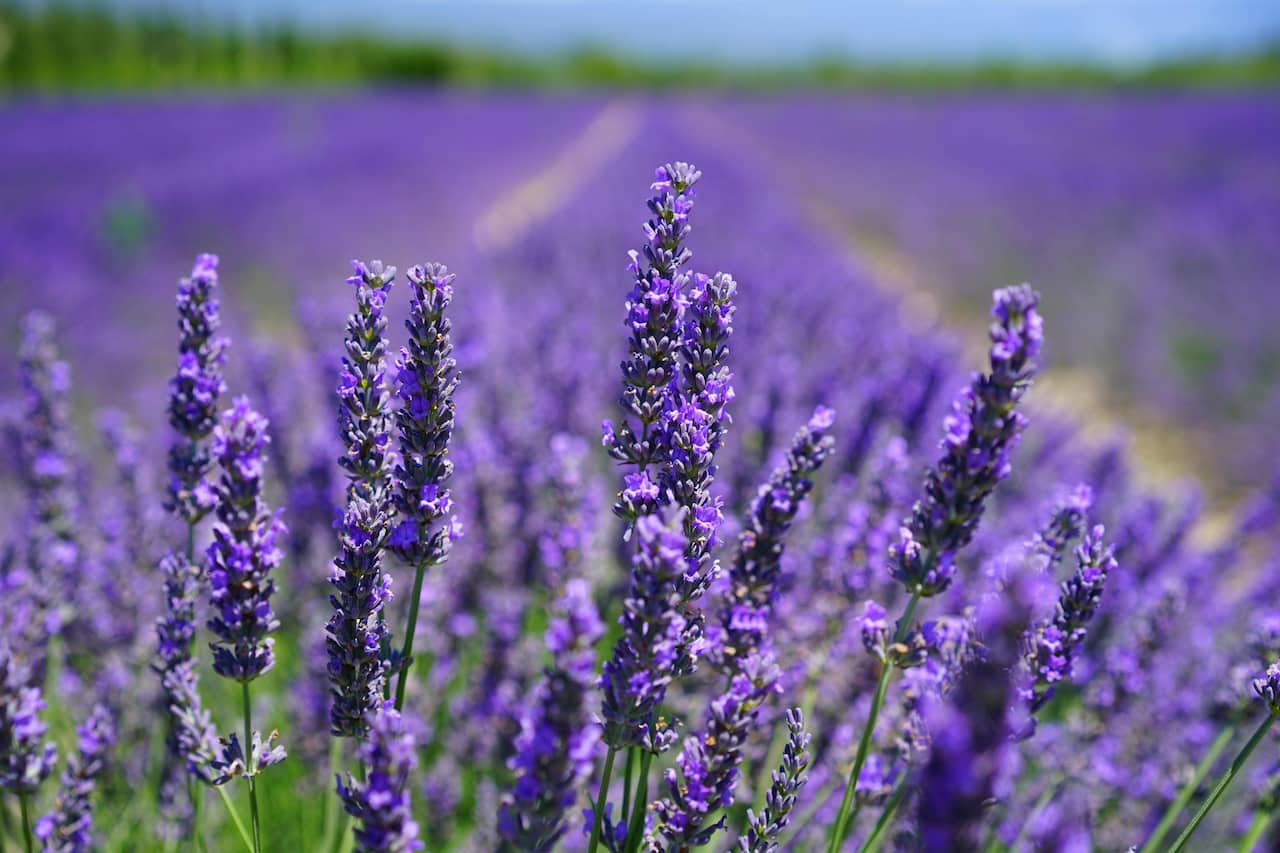
Creating a garden that looks great and serves a purpose can be challenging. You want your space to be both attractive and easy to maintain while supporting healthy plant growth.
This article helps you discover 13 garden layout ideas that blend style with practicality, making your gardening experience more enjoyable and productive. Whether you have a small space or a larger yard, these ideas are designed to fit your needs and preferences.
Raised Bed Gardens for Easy Access and Drainage
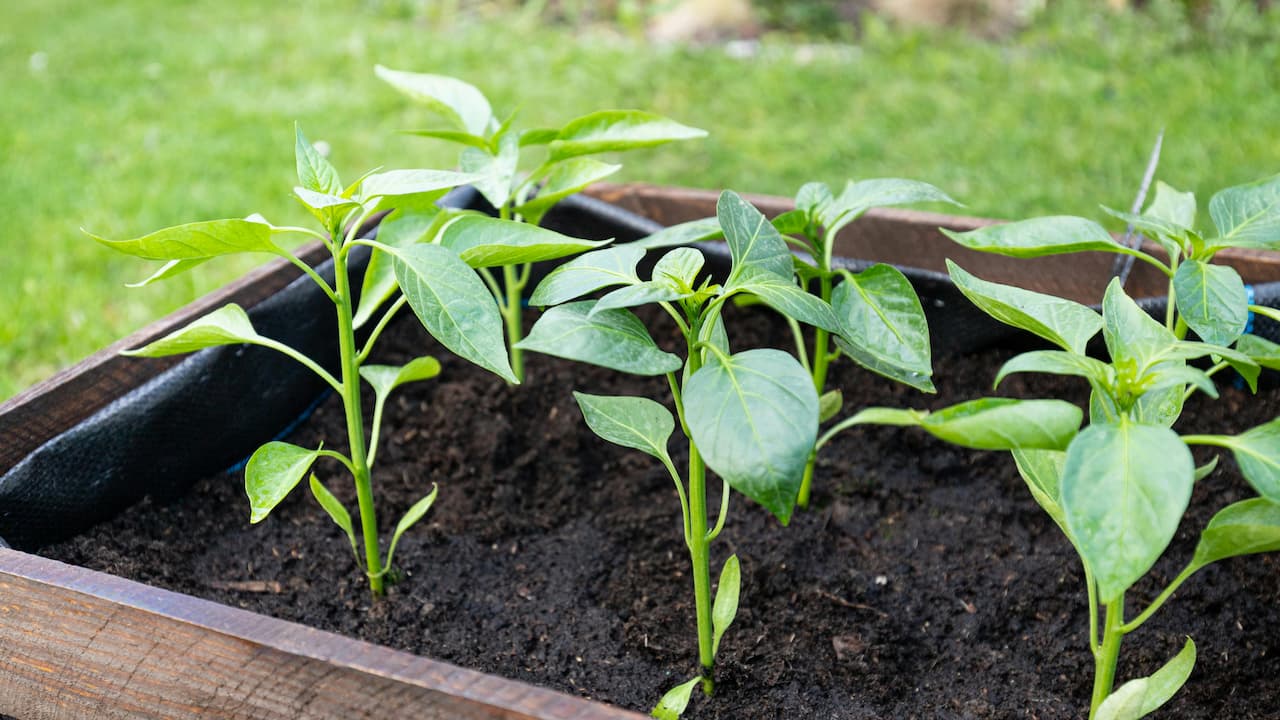
Raised bed gardens make it easier for you to reach your plants without bending too much. This is perfect if you want a more comfortable gardening experience.
They also improve drainage, so your plants won’t sit in water after rain. You can customize the soil to fit what your plants need best.
Plus, raised beds keep your garden organized and neat, making it simple to grow a variety of vegetables or flowers in one spot.
Square-Foot Gardening for Maximized Space
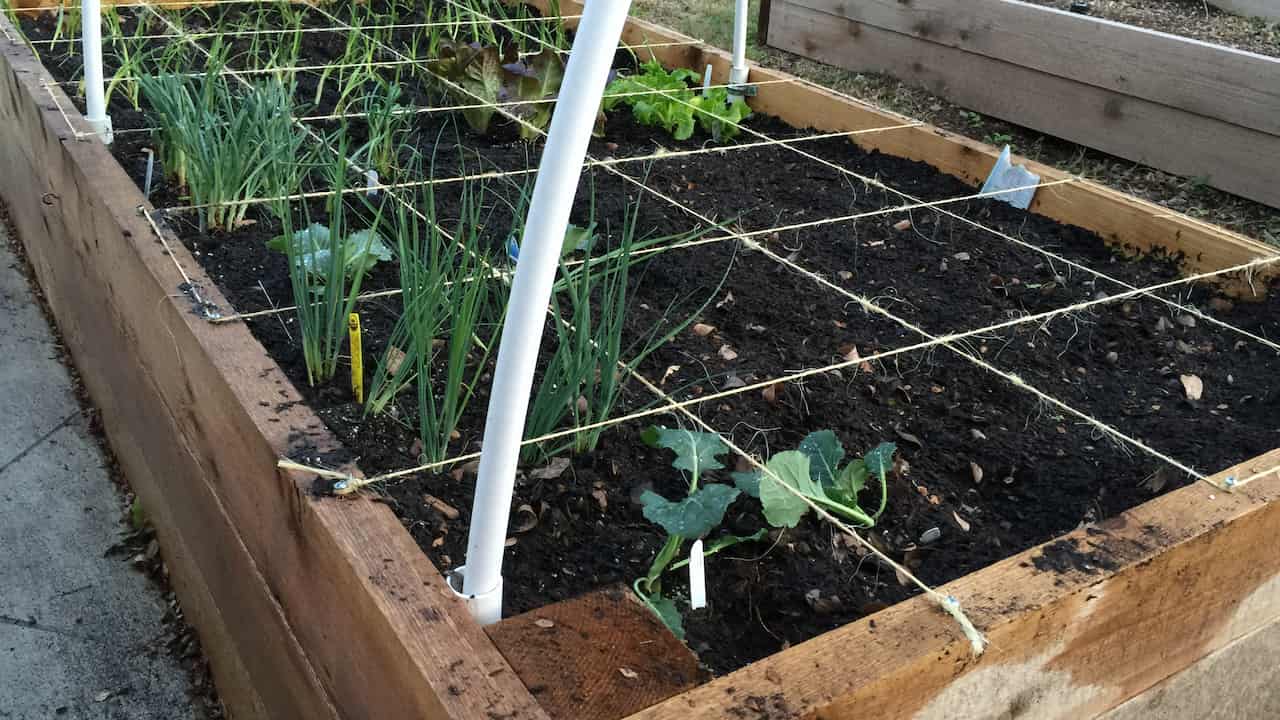
Square-foot gardening helps you make the most of limited space by dividing your garden into 1×1 foot sections.
You can plant different veggies or herbs closely together, which keeps things organized and reduces waste.
This method works great if you want a neat, efficient garden without needing a huge area to grow a variety of plants.
Vertical Gardens with Wall Planters and Hanging Pots
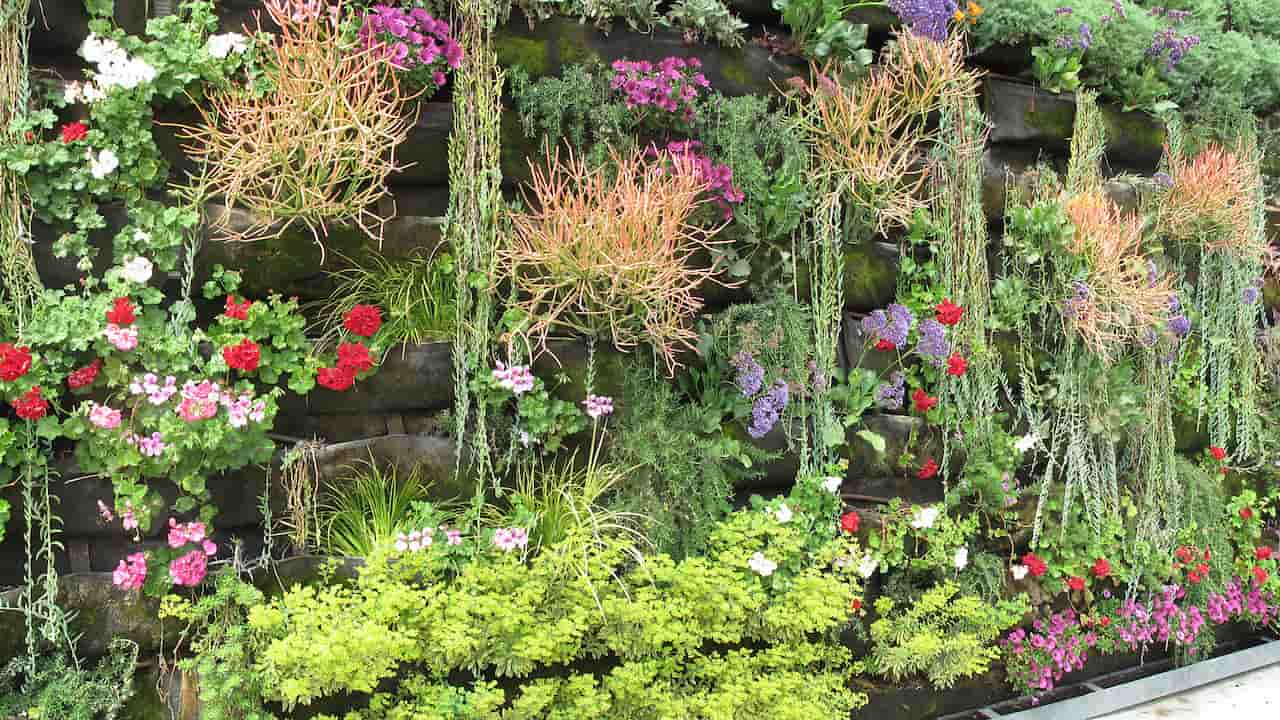
You can easily add greenery without taking up much space by using vertical gardens. Wall planters with pockets or hanging pots let you grow herbs, flowers, or small veggies right on your walls.
These setups are great for balconies, kitchens, or any small spot where floor space is limited. Plus, they add a cool visual element that’s both practical and stylish. Choose simple planters or get creative with upcycled containers to fit your vibe.
Curved Pathways to Create a Flowing Layout
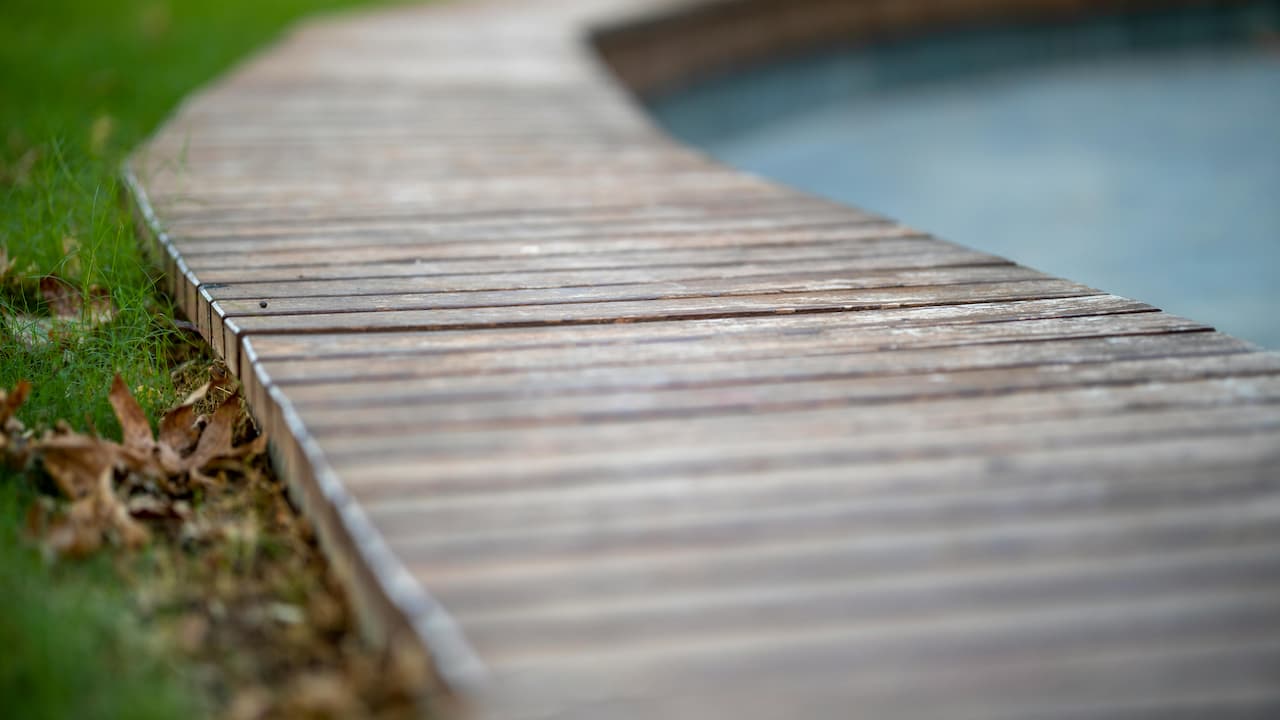
Using curved pathways adds a natural, relaxed feel to your garden. They guide your eyes and feet gently through different areas instead of forcing a direct route.
You can create a sense of discovery by letting paths weave around plants or features. Curves help soften hard edges and can make your garden seem larger and more inviting.
Keep the path width consistent, and choose materials that match your overall style to tie everything together smoothly.
Container Gardens for Small Spaces
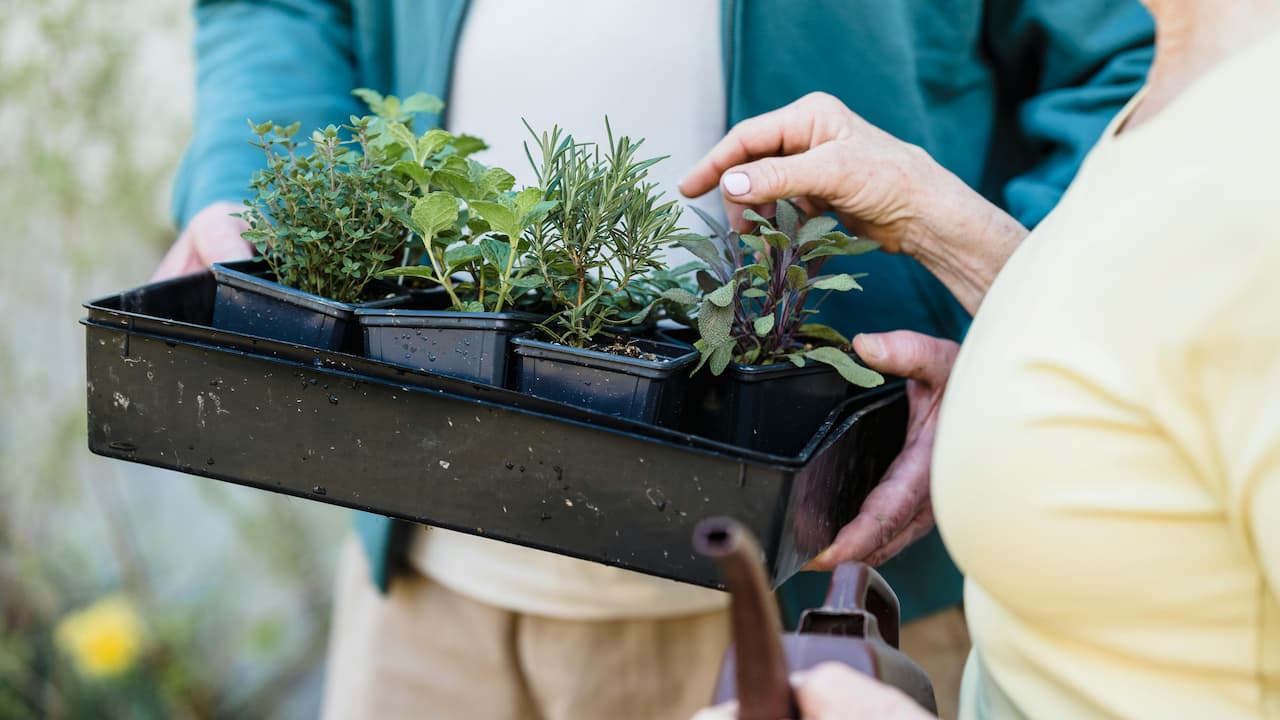
If you have limited space, container gardens are a smart choice. You can use pots, planters, or even upcycled items to grow flowers, herbs, or veggies.
They’re easy to move around, so you can find the best spot for sunlight. Plus, container gardens let you add green without needing a big yard.
Start with a few containers and pick plants that fit your light and water situation. It’s simple, flexible, and works well for patios or balconies.
Trellis Structures to Grow Climbing Veggies
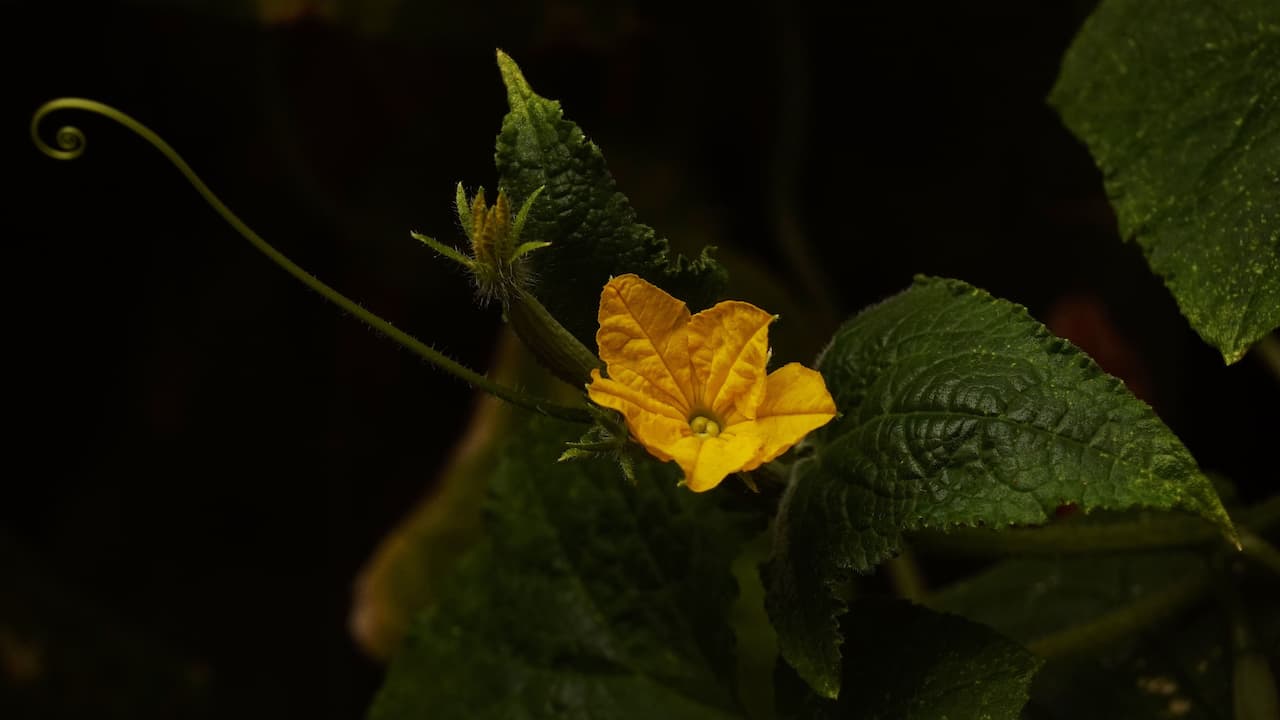
You can use trellis structures to save space and grow climbing vegetables like beans, peas, and cucumbers. A classic A-frame wooden trellis is simple to build and gives your plants plenty of spots to grab onto as they climb.
Panel trellises work great whether you attach them to walls or use them freestanding. Obelisks add vertical interest and support your plants without taking up much ground space. You’ll find growing your veggies this way keeps your garden tidy and makes harvesting easier.
Mixing Flowers and Vegetables for Beauty and Function
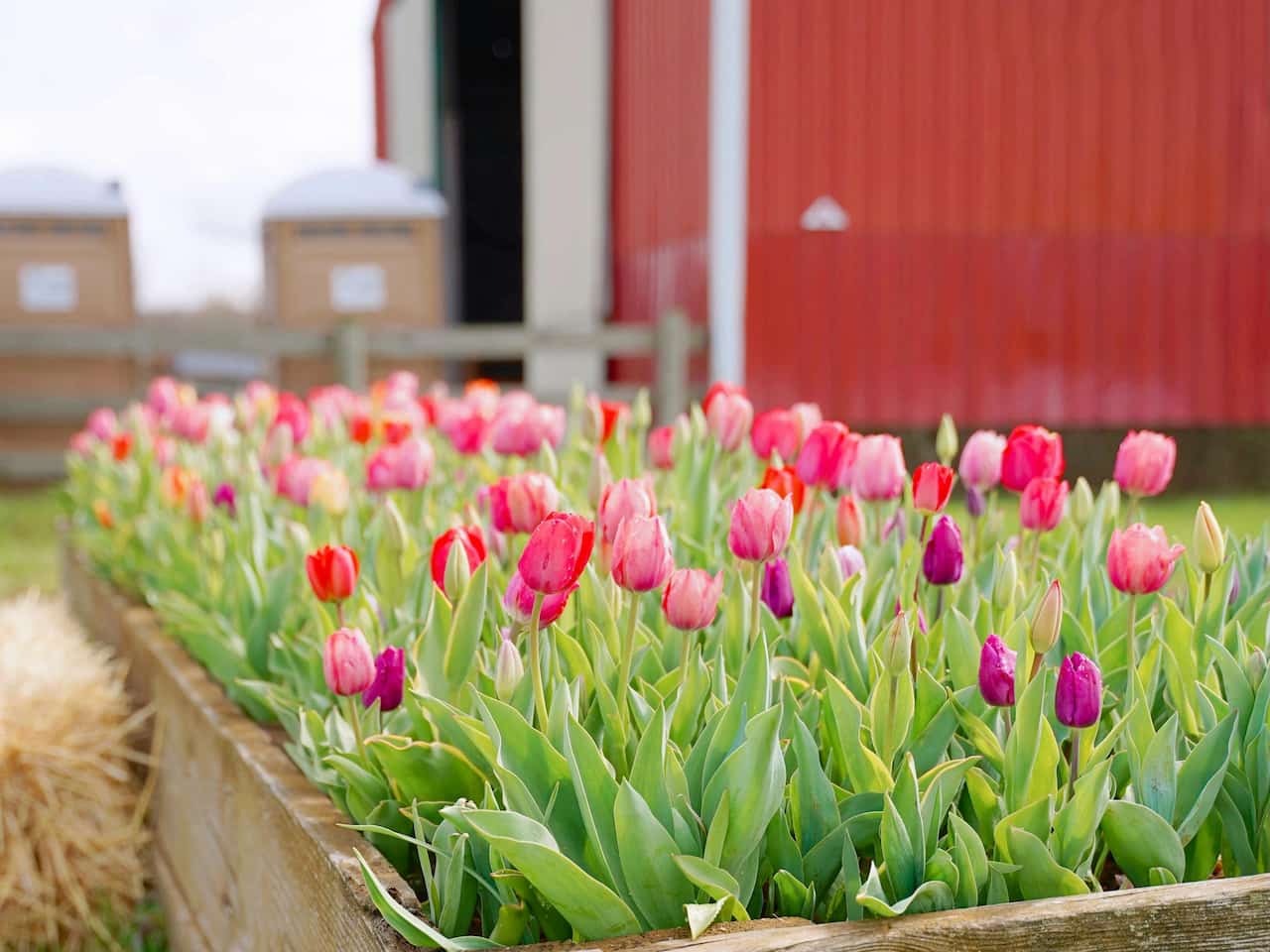
You can make your garden both useful and attractive by planting flowers alongside vegetables. Flowers often attract pollinators, which help your veggies grow better.
Certain flowers also repel pests, cutting down on the need for chemicals. Try placing flowers along the edges and vegetables in the center to balance beauty and function.
Mixing herbs, vegetables, and flowers adds color and variety, making your garden a pleasant place to spend time. It’s an easy way to get more out of your space.
Zoned Gardens Separating Cooking, Relaxing, and Growing Areas
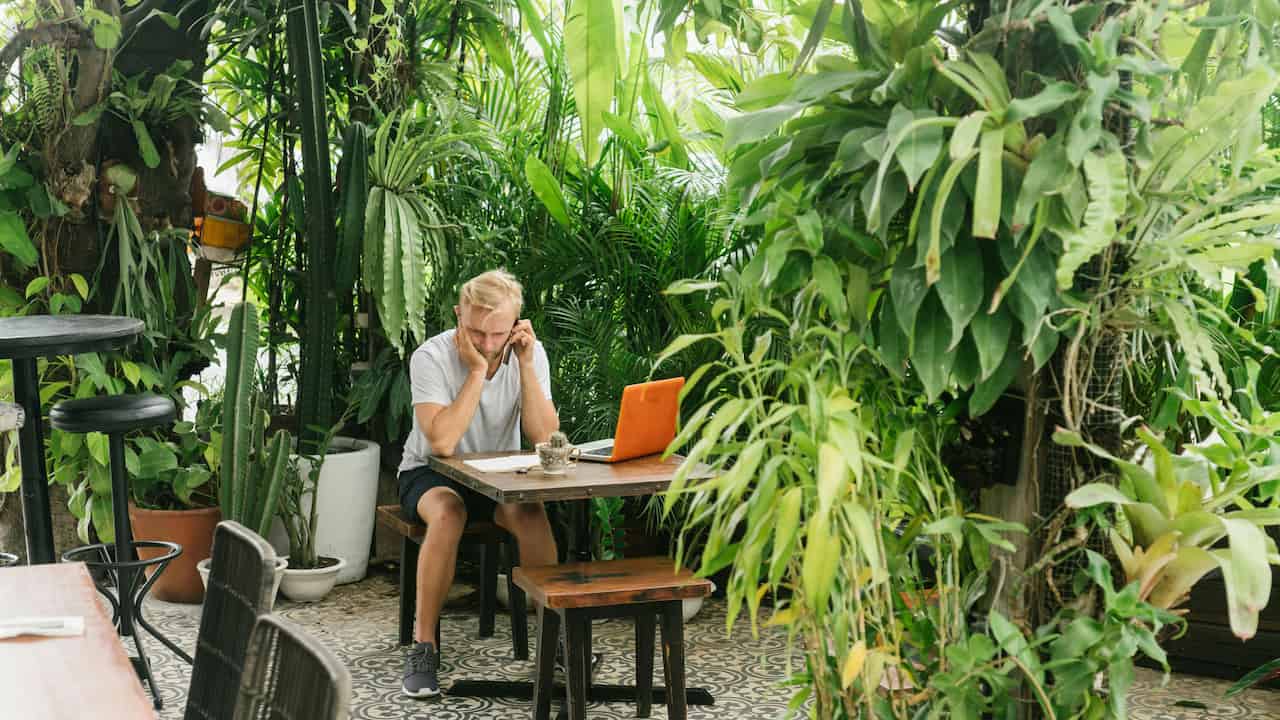
You can divide your garden into zones to keep things organized and purposeful. One area can be for growing vegetables and herbs that you use for cooking.
Another zone could be a relaxing spot with comfortable seating, perfect for unwinding or reading.
Separating these zones helps you enjoy your garden more without mixing activities. Paths or low fences work well to mark the different spaces clearly.
Using Mulch to Reduce Maintenance and Improve Soil
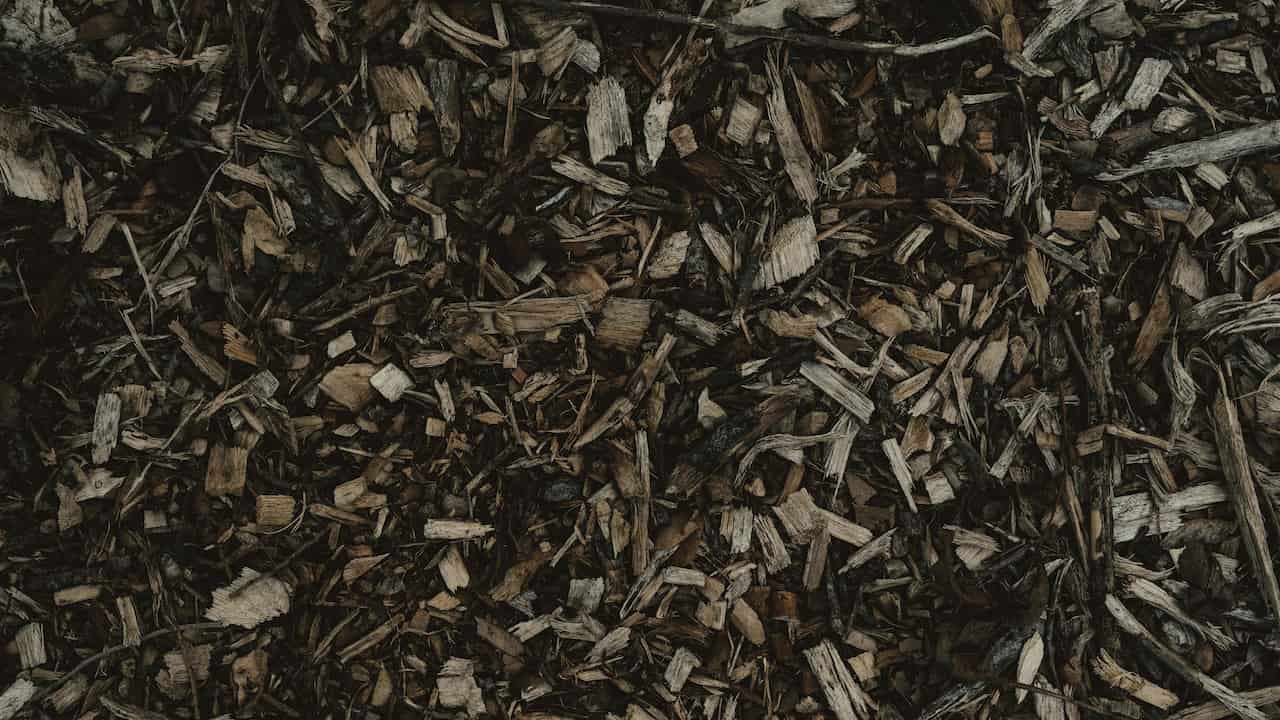
Mulch helps you cut down on garden chores by keeping weeds at bay. Less weeding means more time to enjoy your garden.
It also locks in moisture, so you won’t need to water as often. This keeps your plants happy without extra effort.
Over time, mulch breaks down and adds nutrients to your soil. That means healthier plants with less fuss on your part.
Incorporating Seating Areas Within the Garden

You can create a cozy spot by adding seating where your garden feels most inviting. Think of places with good shade or a nice view of your plants.
Simple benches or built-in seating around raised beds work well. They blend form and function without taking up too much space.
Planting low shrubs or scented evergreens nearby can make your seating area feel fresh and private. This makes it easier to relax and enjoy your garden.
Pathways Made from Natural Stone or Gravel

You can use natural stone or gravel to create pathways that feel both simple and stylish. Stone paths bring an organic, rugged look, while gravel offers a rustic vibe that’s easy to maintain.
These materials work well to guide you through your garden, blending function with natural charm. Plus, they’re great options if you want a path that doesn’t require too much upkeep.
Raised Beds Arranged in a Grid for Efficient Watering

Setting up your raised beds in a grid pattern helps you keep things organized and makes watering easier. You can space the beds with enough room to move between them, so you don’t have to stretch or step into the soil.
This layout lets you run irrigation lines straight down the rows, saving time and water. Plus, it’s simple to spot which beds need more attention. You get a neat garden that works well without extra hassle.
Companion Planting to Boost Growth and Pest Control
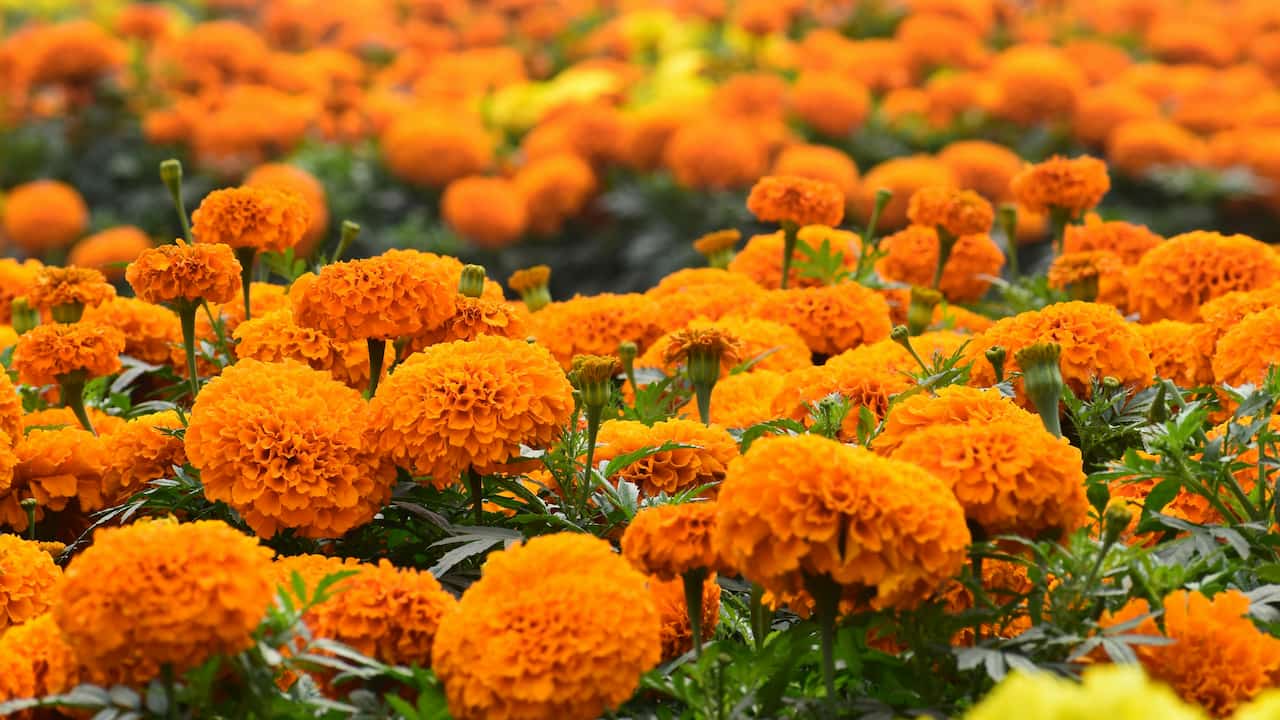
You can use companion planting to help your garden thrive naturally. Planting certain vegetables, herbs, and flowers close together can improve growth and keep pests away without chemicals.
For example, some flowers attract pollinators that help your veggies produce more fruit. At the same time, herbs like basil or marigolds can repel insects that might damage your plants.
This method also helps reduce the need for pesticides, making your garden more eco-friendly and easier to care for. Give it a try to see how your plants can support each other.
Leave a Reply