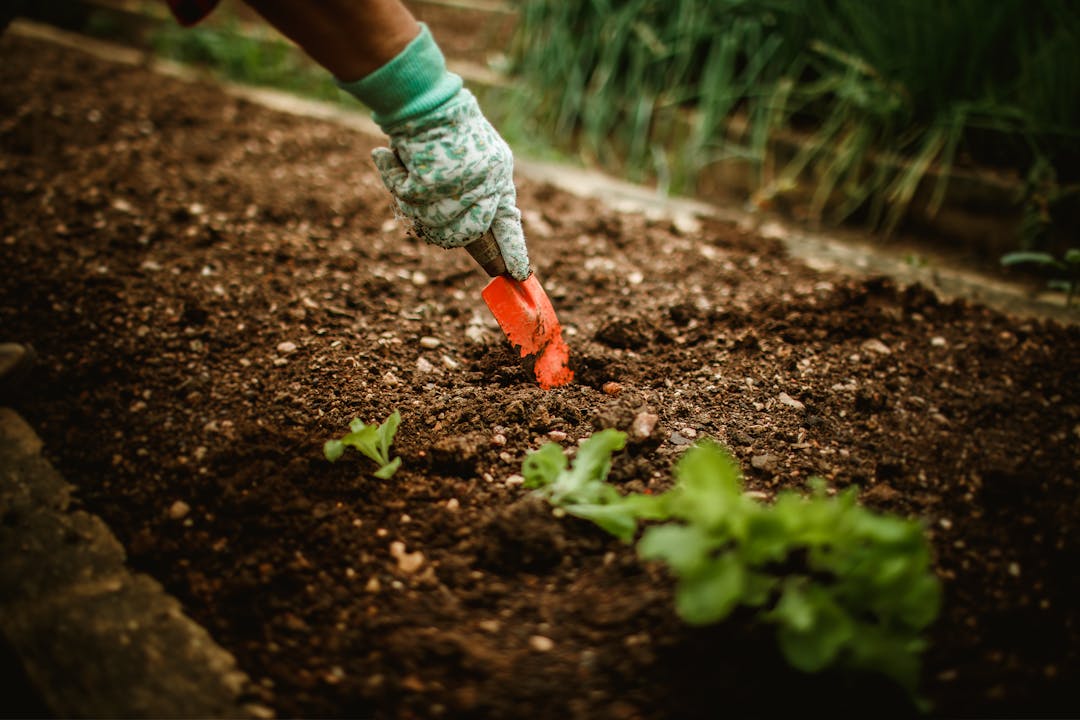
Getting your garden ready before spring fully blooms can make a big difference in how everything grows. Taking care of tasks early helps you avoid problems later and ensures your plants get the best start possible.
By preparing your garden ahead of time, you set yourself up for a healthier, more vibrant yard when the season really takes off. It’s all about giving your garden the attention it needs before things get busy.
Clear out weeds and old plant debris
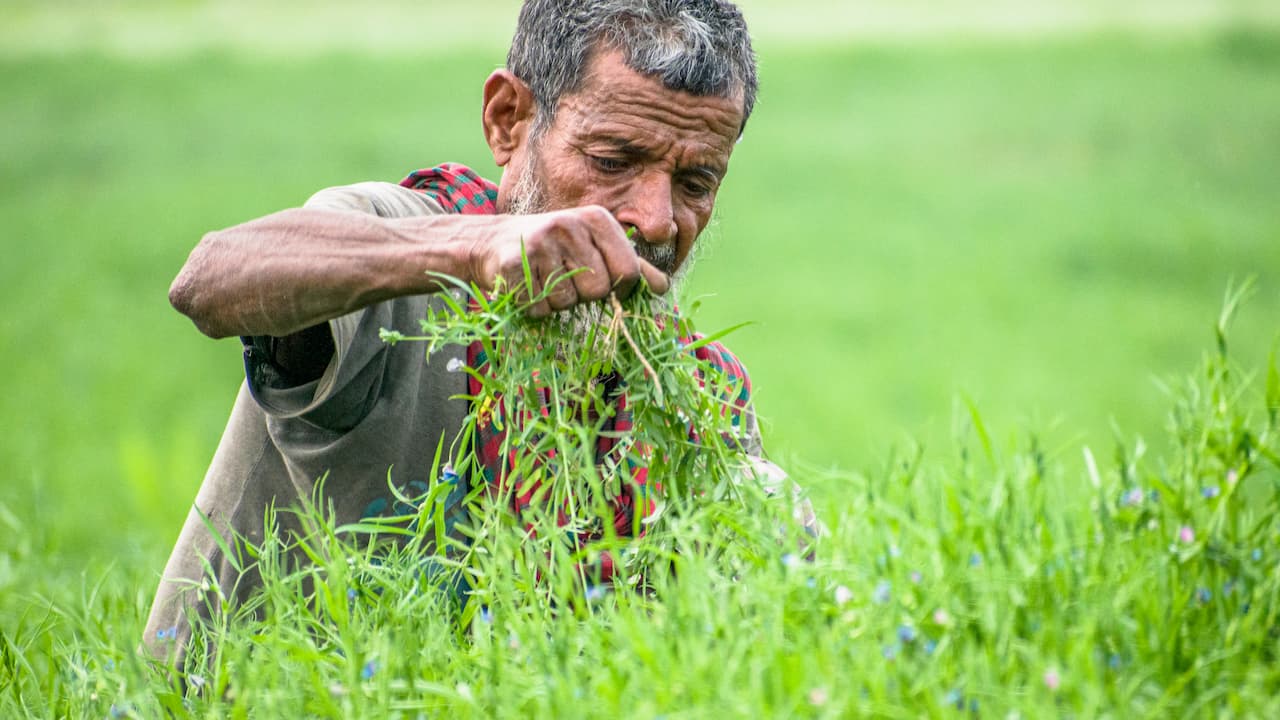
Start by pulling up any weeds you see. Removing them early stops them from taking over when your plants start growing.
Next, clear out dead leaves, stems, and other plant debris. This helps prevent pests and diseases from hanging around.
You can toss this debris onto your compost pile or spread it thinly around the garden. Just avoid piling it up tightly to stop mold or rot.
Prune shrubs for shape and health
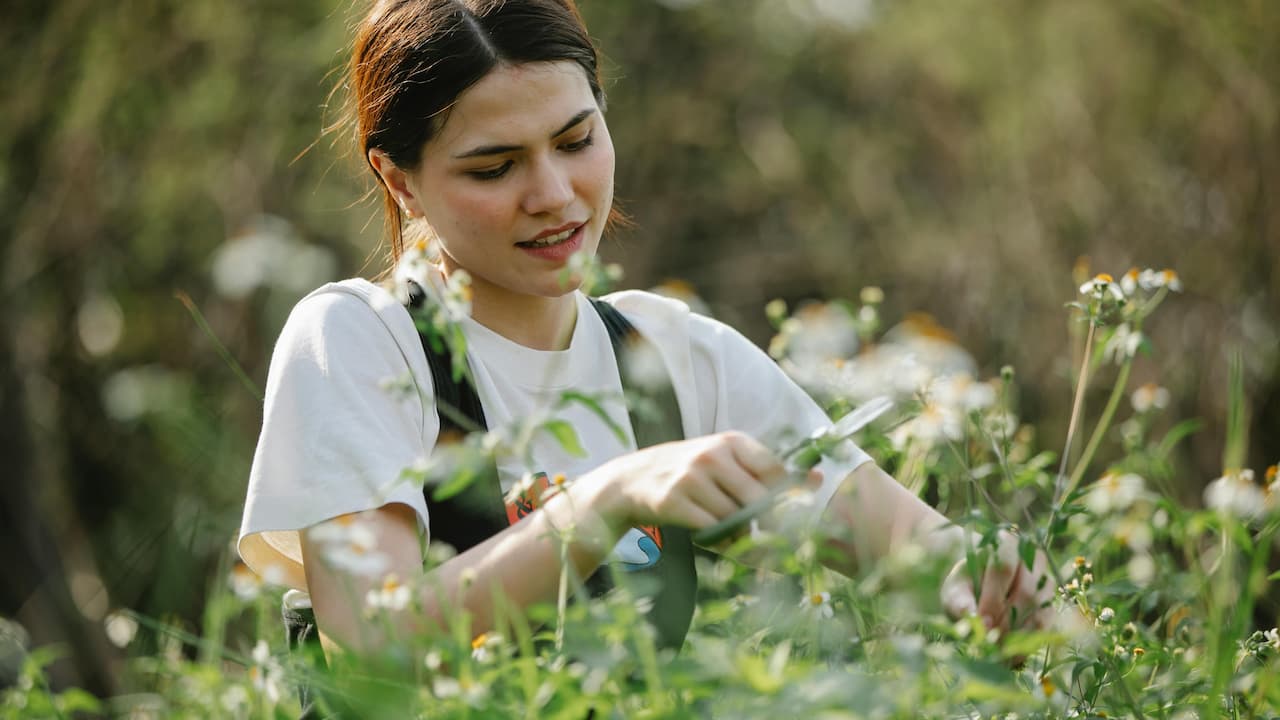
Pruning shrubs in early spring helps keep them looking tidy and encourages healthy growth. You want to focus on removing dead or damaged branches first.
If your shrub blooms in summer, prune it before it starts leafing out. This way, you won’t cut off buds that make flowers.
Keep your cuts clean and sharp to avoid hurting the plant. Light shaping throughout the growing season is fine, but the main pruning is best done before growth kicks in.
Sharpen and lubricate garden tools

Before spring arrives, take some time to sharpen your garden tools. A sharp blade makes digging and cutting easier and more efficient. Use a metal file or sharpening stone to give your tools a nice edge.
After sharpening, add a bit of oil to any moving parts. This will keep your tools working smoothly and help prevent rust. Wipe off any excess oil so they aren’t slippery in your hands.
Test your garden soil’s pH

You’ll want to check your soil’s pH before planting. It helps you know if your soil is acidic, neutral, or alkaline.
You can test your soil at home. Mixing baking soda with soil and water will bubble if it’s acidic. Vinegar does the same for alkaline soil.
For a more accurate read, consider sending a soil sample to a lab. The results will guide you on what amendments your garden needs.
Add compost or organic fertilizer

Start by spreading a 3- to 4-inch layer of compost over your garden beds. This helps improve soil structure and adds nutrients slowly.
If you’re planting vegetables, mix the compost into the soil before planting. It provides a gentle nutrient boost without overwhelming young roots.
You can also use organic fertilizers to complement compost if your soil needs extra nutrients. Check your soil first to avoid overfeeding.
Divide perennial plants

Spring is a great time to divide your perennials before they fully grow. You want to catch them just as new growth starts popping up.
Pick a cloudy day or water the area well beforehand to keep the plants from drying out. Use a shovel to dig up the root ball, then break it into smaller sections.
Dividing helps your plants spread and stay healthy, giving your garden a fresh, fuller look without spending extra on new plants.
Plant early spring bulbs like tulips

You want to plant tulips and other early spring bulbs once the soil cools down. This usually means waiting until after the first frost.
Dig down about 6 inches to loosen the soil so your bulbs can settle in easily.
Group bulbs together in clusters for a fuller, natural look. Make sure the soil temperature is below 50°F before planting.
Mulch garden beds to retain moisture
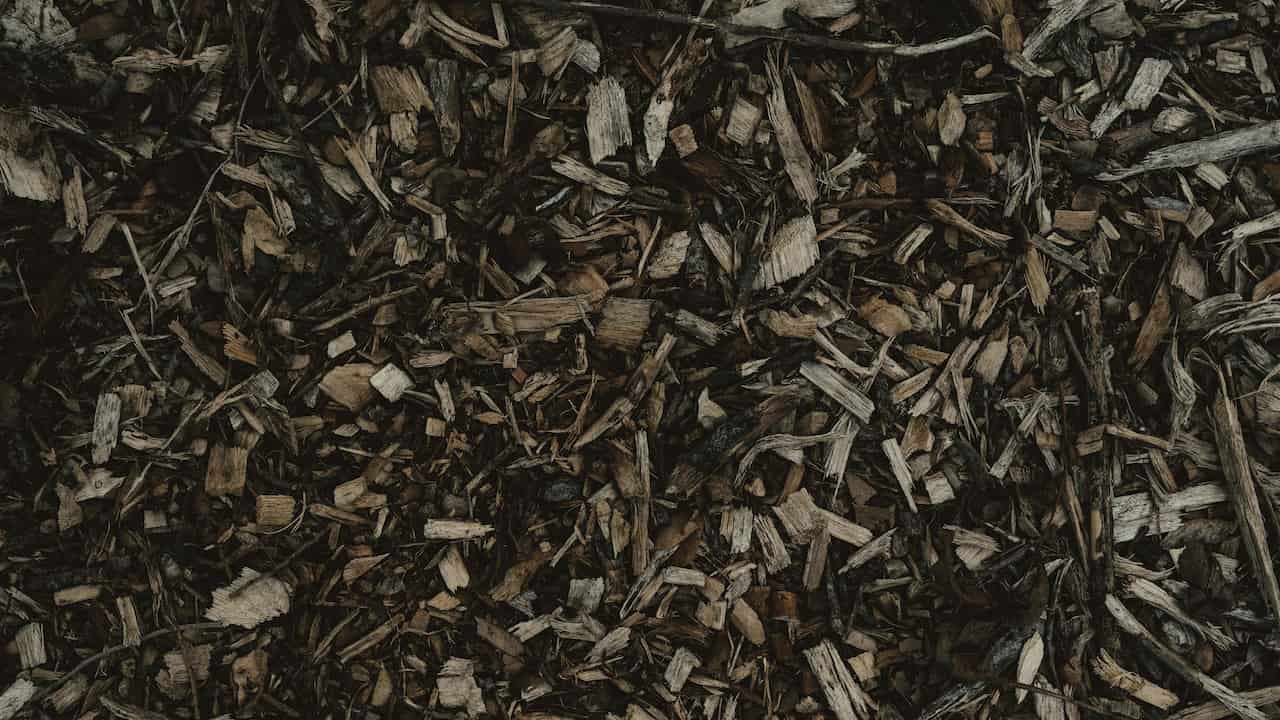
Mulching your garden beds helps keep moisture in the soil, which is crucial as plants start growing. It also helps block weeds from popping up and keeps roots cooler.
Be sure not to pile mulch too thickly, or it might prevent water from reaching the soil. Spread it evenly and water it in to help it settle.
Spring and fall are the best times to mulch because it prepares your garden for growth and protects it through cooler months.
Prepare seed trays for starting indoors
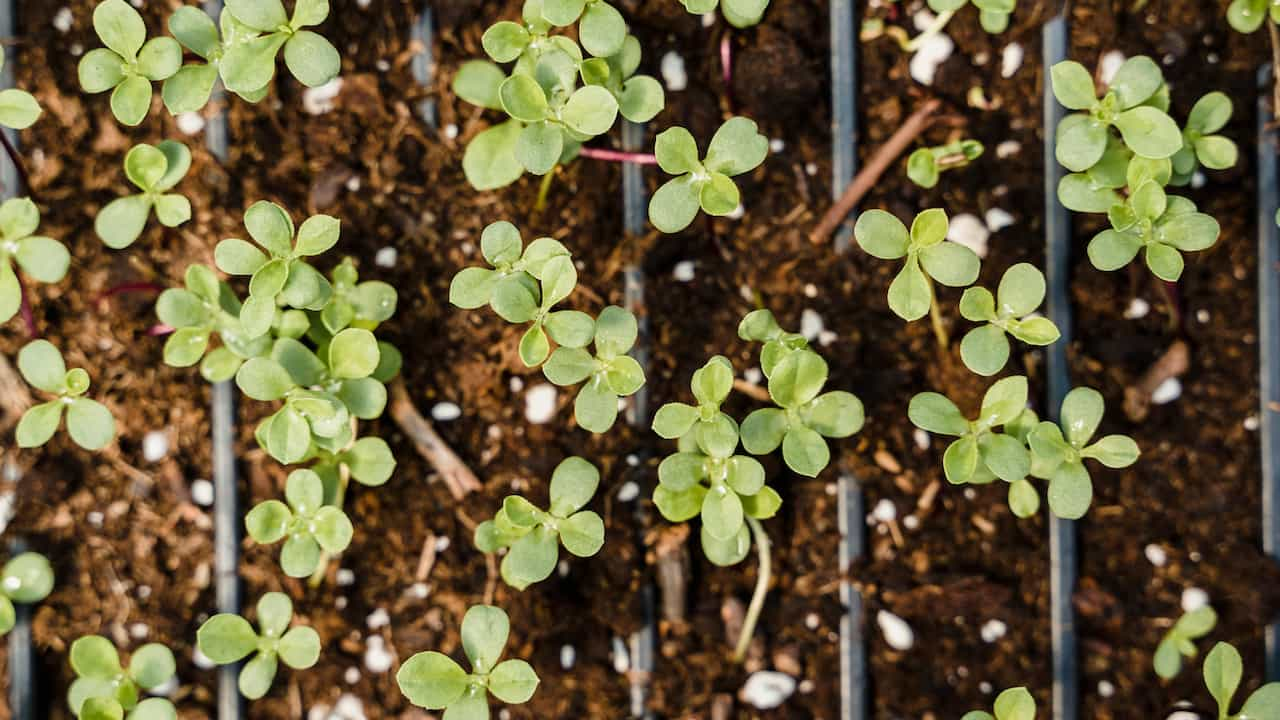
Start with clean seed trays or small containers that have drainage holes. This helps prevent waterlogging and root problems.
Fill your trays with a light, well-draining seed starting mix. Avoid heavy garden soil because it can compact and hold too much moisture.
Place the trays in a spot with good light or use a grow light. Keep the soil moist but not soaked while waiting for seeds to sprout.
Check irrigation systems for leaks
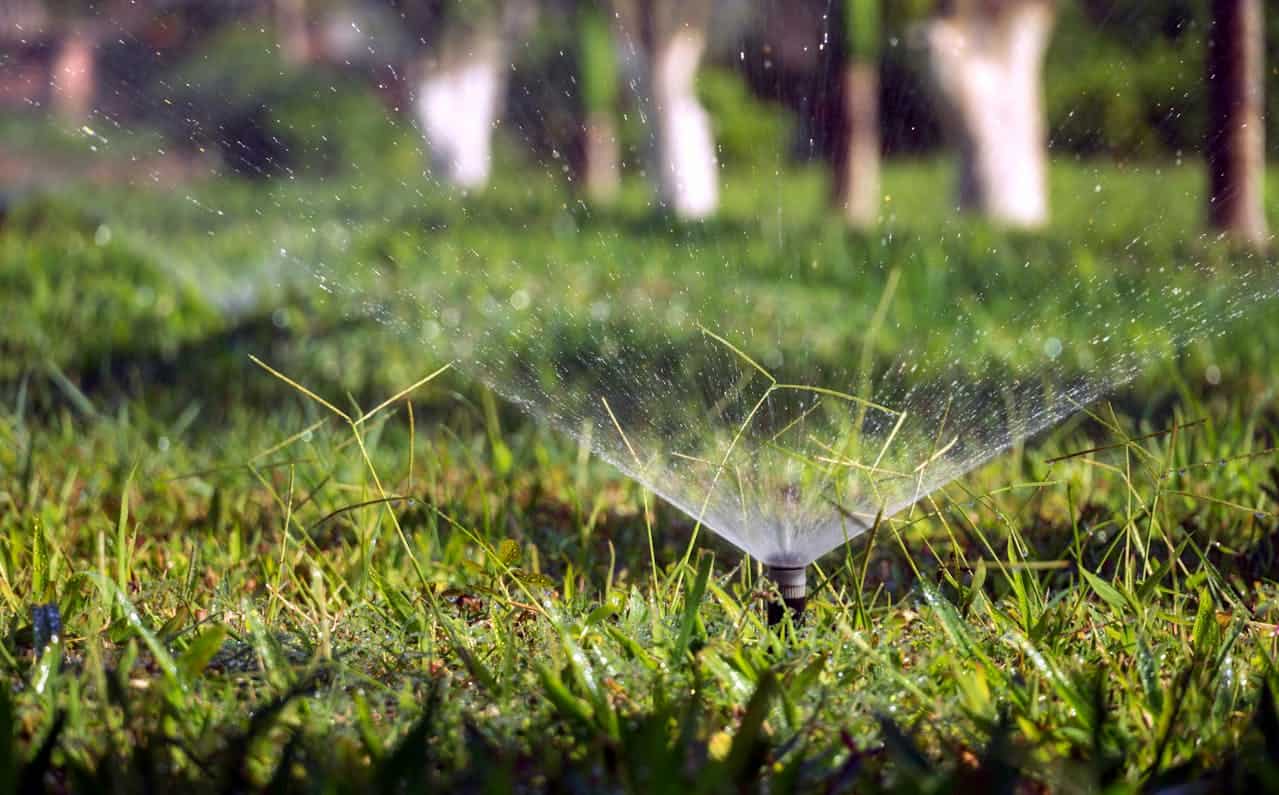
Start by turning on your irrigation system and watching closely. Look for any wet spots or puddles that don’t seem right.
Open each valve box and inspect the pipes and connections. If you see dripping or cracking, it’s time to fix those.
Don’t forget to check the vacuum breaker and valves for damage or leaks. Catching problems early saves water and keeps your garden healthy.
Remove spent leaves from ferns
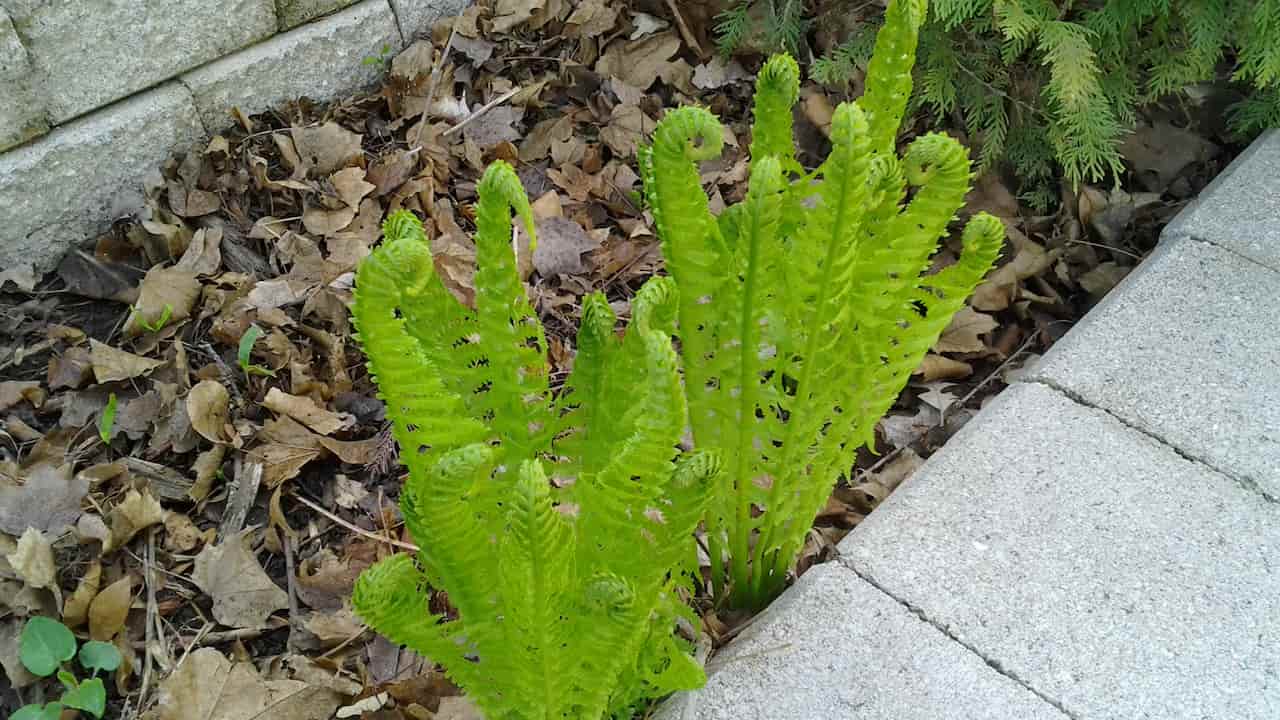
You should cut back any old or dead fronds from your ferns before new growth starts. This helps keep your ferns looking tidy and healthy.
Late winter or early spring is the best time to do this. Just snip off the brown, dry leaves close to the base.
Removing these leaves makes room for fresh, green fronds to grow and improves air circulation around the plant.
Tackle hardscaping repairs first
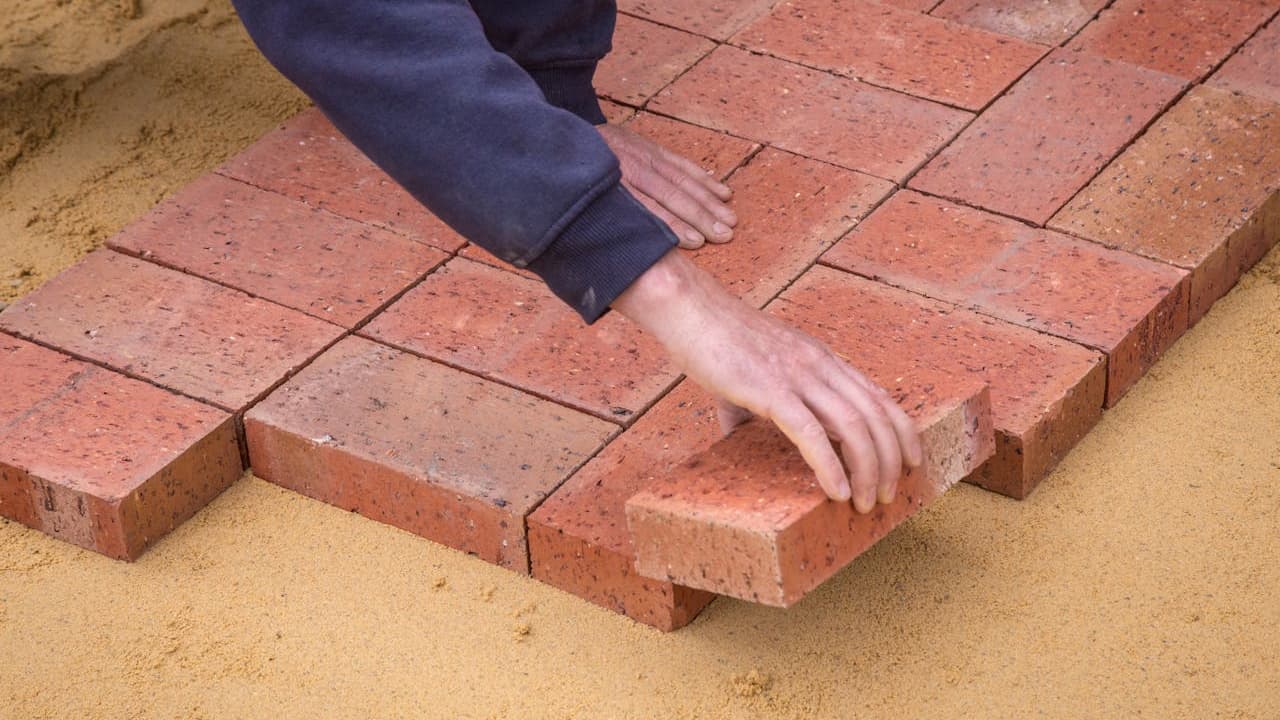
Start by checking any stone walls, pathways, or patios for damage. Fix loose or uneven stones to keep your garden safe and looking sharp.
If you notice any tunnels or holes made by pests, take care of those early. It prevents bigger problems once plants start growing.
Repairing these hardscape elements now saves you time later when the garden gets busy with new growth. Plus, your outdoor space will be ready for spring use.
Leave a Reply