Picture this: you’re settling into your new place, a cozy little haven that’s just full of charm and character. You’ve unpacked the boxes, arranged the furniture just so, and everything feels just right. Then, while moving a bookshelf, you spot it—a tiny notch cut into the inside of the bedroom door frame. It’s subtle, almost like a ghost of a measurement, as if someone once marked their height there but decided to sand it all away. Curious, right?
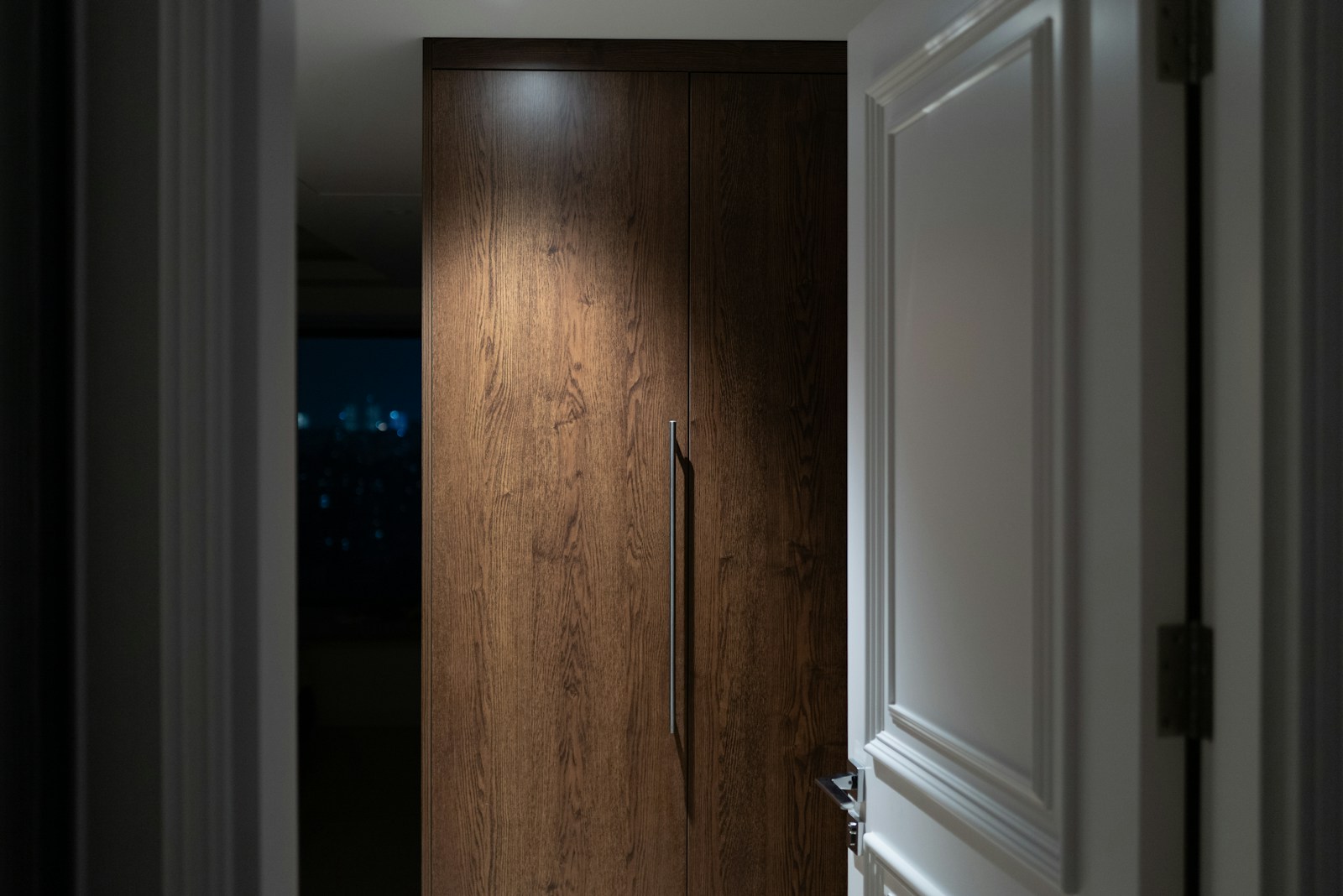
Finding remnants of previous lives in a home can be both intriguing and a bit eerie. It’s like stumbling upon a time capsule that whispers stories of the past. Who lived here before you? Were they tall? Short? Did they have a growth spurt that suddenly halted? The possibilities are endless, and it can spark a bit of imagination about the lives that were once lived within those walls.
The Mystery of the Notch
Let’s talk about that notch for a second. It’s not just a random blemish; it’s a marker of history. It might seem trivial, but it raises questions. Was it a child’s height that was measured and then erased? Perhaps a teenager who insisted on keeping track of their growth spurts? There’s something deeply relatable about that, isn’t there? We all have those awkward growth phases, and it’s a rite of passage to watch ourselves grow, sometimes with a little bit of pride and a lot of awkwardness.
Now, you might be wondering why someone would go through the effort of sanding off those marks. Maybe it was a parent who wanted to keep the memories of their child’s growth, but also wished to start fresh in a new space. Or perhaps the previous tenant simply preferred a clean slate, eager to erase any trace of their former life. The beauty of these little mysteries is that they invite us to reflect on our own stories while sparking curiosity about the lives of others.
Height Marks: A Right of Passage
Almost everyone has fond memories of being measured against a wall or door frame. It’s that sweet tradition where parents pull out a pencil to mark your height, often accompanied by the obligatory “Wow, you’re getting so tall!” Those little notches become a living timeline of our childhood, each mark representing a moment in time, a snapshot of growth. And then there’s the inevitable day when you finally reach the top mark, and it’s both exciting and a bit bittersweet. “Will I ever grow taller than this?” you wonder, as the years go by.
These height marks are more than just numbers; they’re a testament to our journey through childhood. So, finding a notch in your new home can stir up those nostalgic feelings. It’s a reminder that homes are not just about the physical space but about the lives that have been lived and the memories that linger in the air.
What to Do with Your Discovery
So, what should you do with this newfound knowledge? Well, you could just leave it be, letting it blend into the backdrop of your life. But if you’re feeling creative, why not embrace the history? You could even start your own tradition of marking heights, maybe on a different wall or in a special notebook. After all, every home deserves its own story, and adding your chapter can make it feel even more personal.
Alternatively, if you’re a DIY enthusiast, you might consider preserving that notch in a unique way. Maybe frame it with a little plaque that reads, “Previous Heights,” or even a whimsical quote about growth. It could be a conversation starter for guests, who will surely be intrigued by the little slice of history you’ve chosen to honor.
Embracing the Stories of Our Homes
Every scratch, notch, and stain tells a story, and homes are like living, breathing entities filled with the footprints of those who came before us. Whether it’s a notch on a door frame or a mysterious stain on the carpet, these quirks are part of what makes a house a home. They remind us that we’re all part of a larger narrative, woven together through shared experiences and memories.
So, the next time you spot something odd in your home, take a moment to appreciate the history behind it. You might find that it opens doors to conversations, connections, and even a deeper appreciation for where you live. After all, isn’t that what makes a place truly feel like home?
More from Willow and Hearth:
Leave a Reply