Ever found yourself in a conversation that spirals into a debate about who does what around the house? If you work from home, you might have heard the classic line: “Since you’re home all day, you should handle the cooking, cleaning, and errands.” It’s almost like a rite of passage for remote workers, right? It’s a tricky subject that can lead to misunderstandings and a whole lot of eye-rolling.
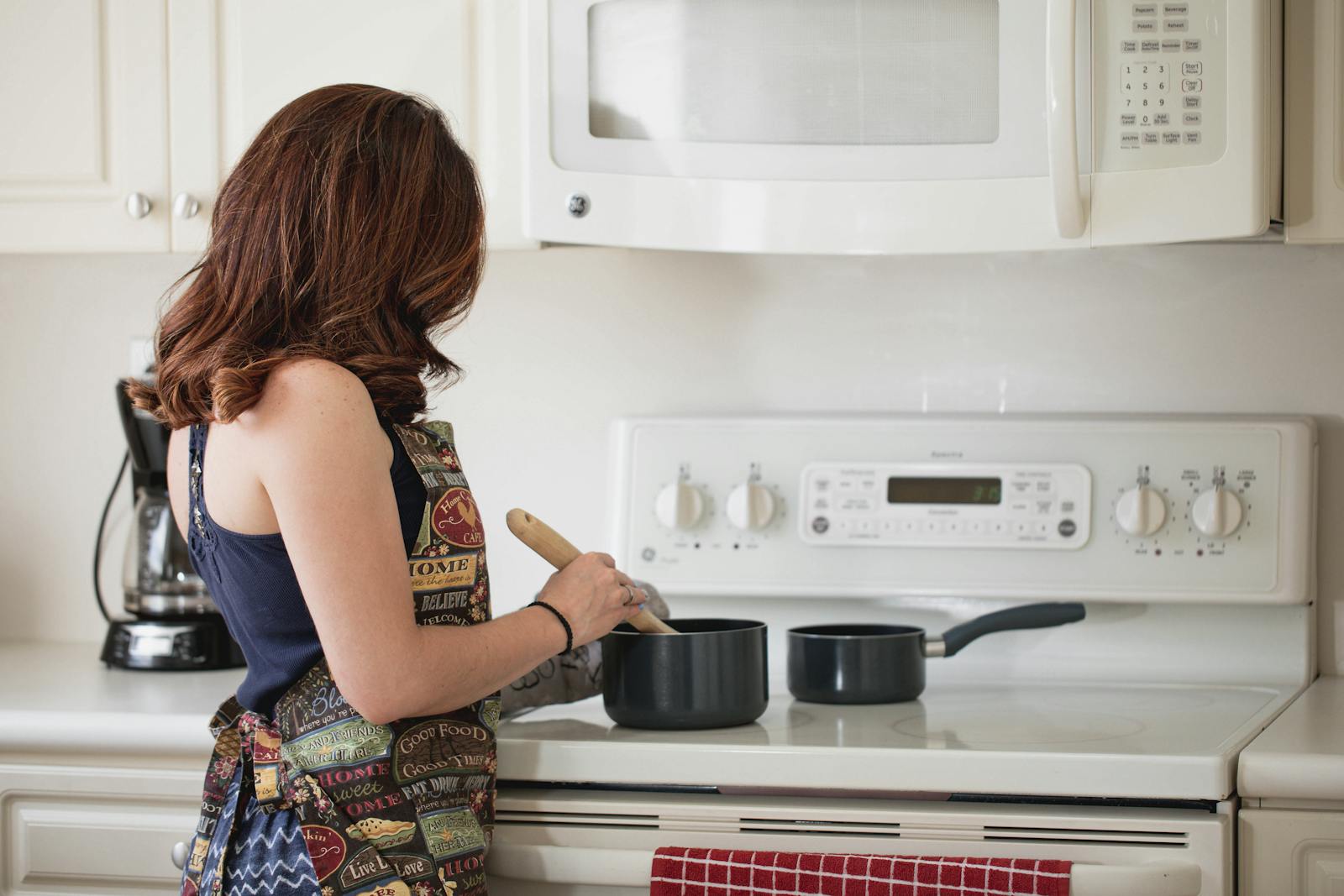
Now, don’t get me wrong. I love my partner to bits, but sometimes I wonder if they think “work-from-home” means “living the easy life.” Sure, there are perks — like not having to navigate rush hour traffic or wear pants that aren’t stretchy. But the reality is that just because you’re working from the comfort of your living room doesn’t mean that your job is any less demanding than a 9-to-5 grind. Let’s break this down a bit.
Understanding the Remote Work Reality
First off, working from home often comes with its own unique set of challenges. It’s not just about sipping coffee in your pajamas while typing away on your laptop. There are deadlines, meetings, and the ever-present possibility of your cat deciding that your keyboard is their new favorite resting spot. Balancing work responsibilities can feel like juggling flaming swords while riding a unicycle — thrilling, but not exactly a walk in the park.
And then there’s the blurred line between work and home life. When your office is just a few steps away from your couch, it can be hard to switch off. You might find yourself answering emails at odd hours or feeling guilty for taking a break when the laundry’s piled up. So, while you’re busy trying to be productive, it’s easy to overlook that your home has turned into a mini-ecosystem of chaos.
The Invisible Load
Now, let’s talk about this invisible load that often falls on the shoulders of those who handle the household chores. It’s not just about scrubbing floors or cooking dinner; it’s the mental checklist of “What’s for dinner?” or “Did I remember to buy toilet paper?” It can feel like a second job, often unrecognized and unappreciated. And here’s the kicker: just because one partner is working from home doesn’t mean they’re available to take on all the domestic duties.
It’s a classic case of division of labor that needs some serious rethinking. If one partner is working outside the home, they’re likely putting in a full day and coming home tired, just like you. So why should the person working from home automatically become the default house manager? That’s not just unfair; it’s a recipe for resentment. And who wants that? Spoiler: no one.
Communication is Key
So, what’s the solution? It starts with a good old-fashioned chat. Yes, I know, communication sounds about as exciting as doing taxes, but hear me out. Have a sit-down with your partner and lay it all out on the table. Explain how your work still requires focus and energy, and that you’d appreciate a more balanced approach to household duties.
Maybe you can create a chore chart or a shared calendar, so everyone knows who’s tackling what. Some couples find success with designated cooking nights or weekend cleaning sprees. It doesn’t have to be a strict schedule — think of it more as a way to make sure you both feel supported and appreciated. Plus, it can be a fun bonding experience if you’re both involved!
Finding a Balance
It’s also essential to recognize that each person’s contributions can look different. Just because one person is physically at home doesn’t mean they can, or should, do everything. It’s about finding that sweet spot where both partners feel valued for what they bring to the table — whether it’s financial support or managing the family’s daily chaos.
And hey, if your partner still insists your work is a walk in the park, maybe challenge them to a week in your shoes. Let them experience the joys of video calls, deadlines, and the occasional meltdown when the Wi-Fi goes out. Sometimes, a little role reversal can open up eyes and lead to a newfound appreciation for each other’s struggles.
Wrapping It Up
At the end of the day, relationships thrive on understanding and respect.
More from Willow and Hearth:
Leave a Reply