
November is a great time to focus on your home before the colder months settle in. As the weather changes, there are simple tasks you can do to keep your space comfortable, safe, and ready for the season ahead.

Taking care of a few key areas around your home now can help prevent bigger problems later and make your daily life easier during winter. These little efforts can save you time and money while keeping your house running smoothly.
Check and replace furnace filters
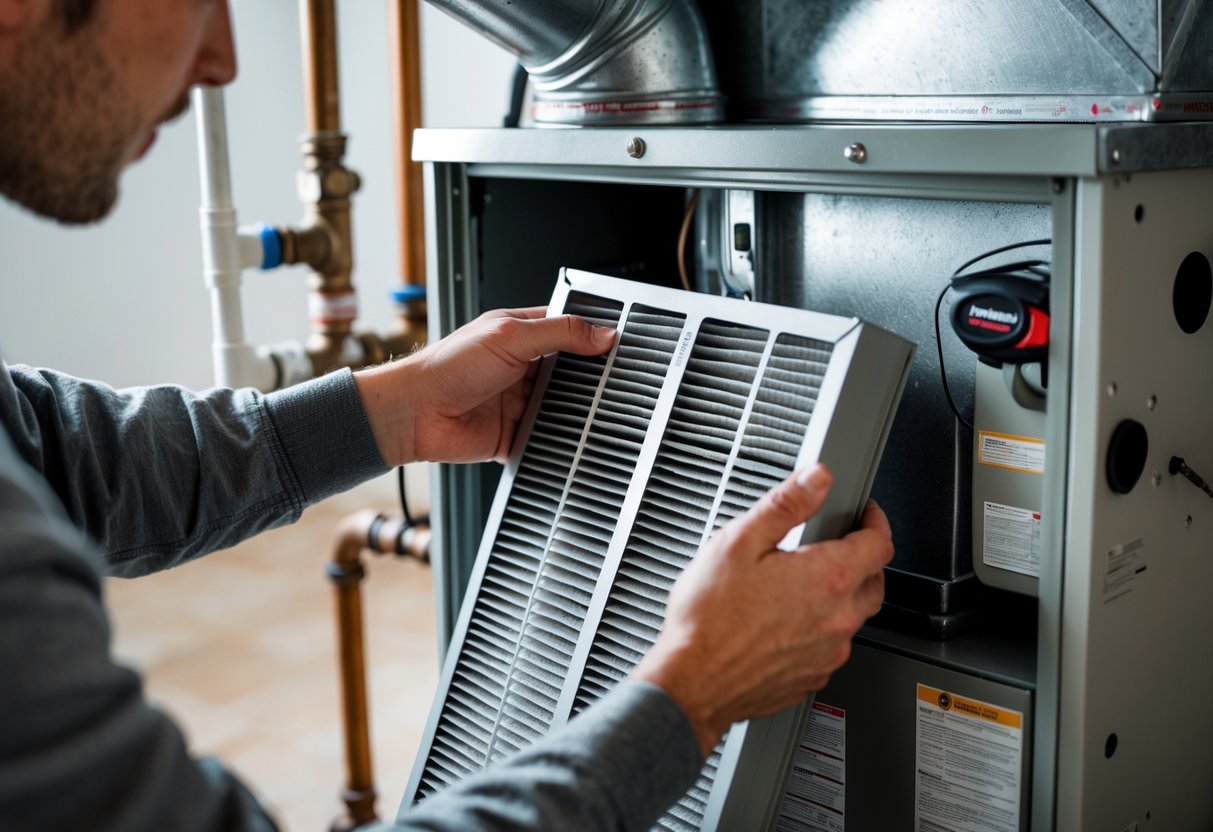
Make it a habit to check your furnace filter in November. Filters can get clogged with dust, pet hair, and debris, which makes your system work harder.
Replacing your filter every 1 to 3 months is a good rule of thumb. If you have pets or allergies, check it more often—like every month.
A clean filter helps your furnace run more efficiently and keeps your indoor air quality better. Don’t wait until you notice a problem; swapping the filter now can save you trouble later.
Inspect and clean gutters
You’ll want to clear leaves and debris from your gutters before winter hits. Clogged gutters can cause water to back up and damage your roof or foundation.
Take a close look at the downspouts too. Make sure water flows freely and drains away from your home.
Cleaning gutters helps prevent rust and corrosion, extending their life. Plus, it reduces the chance of costly repairs down the line.
A quick sweep or using a plumber’s snake can do the trick. Keep your gutters in shape now to avoid headaches later.
Test smoke and carbon monoxide detectors
November is a good time to test your smoke and carbon monoxide detectors. These devices give early warnings if something’s wrong, especially as you start using heating more often.
You should test them monthly to make sure the alarms still work. Just press the test button on each unit until you hear the sound.
Also, check the batteries. Replace them at least twice a year if they’re not sealed long-life batteries. And don’t forget to replace the detectors themselves—smoke alarms every 10 years, carbon monoxide alarms every 5 to 7 years.
Stock up on winter emergency supplies
Make sure you have enough non-perishable food like canned goods, granola bars, and dried nuts. These will keep you going if you get stuck inside during a storm.
Don’t forget to stock up on water. Having extra bottled water is important when pipes freeze or service is interrupted.
Also, grab essentials like batteries, flashlights, blankets, and warm clothing. These will come in handy if the power goes out or the heat stops working.
Finally, think about car supplies too. Keep items like an ice scraper, booster cables, and sand for traction in your vehicle just in case.
Seal gaps around windows and doors
You’ll want to check for any gaps or cracks around your windows and doors. Sealing these spots keeps cold air out and warm air in. It’s an easy way to feel more comfortable inside.
Using weatherstripping or caulk works well for most gaps. If you find bigger openings, foam sealant can help fill those in. Tackling this now can also save you some money on heating bills.
Prepare your garden for freezing temperatures
You’ll want to start by adding a thick layer of mulch around your plants. This helps protect roots from sudden cold snaps and freeze-thaw cycles.
Covering delicate plants with frost cloths or blankets during cold nights can prevent damage from frost.
Make sure to clean up fallen leaves and debris to reduce places where pests and diseases can hide over winter.
Water your plants well before a hard freeze. Moist soil holds heat better than dry soil, helping plants survive cold spells.
Leave a Reply