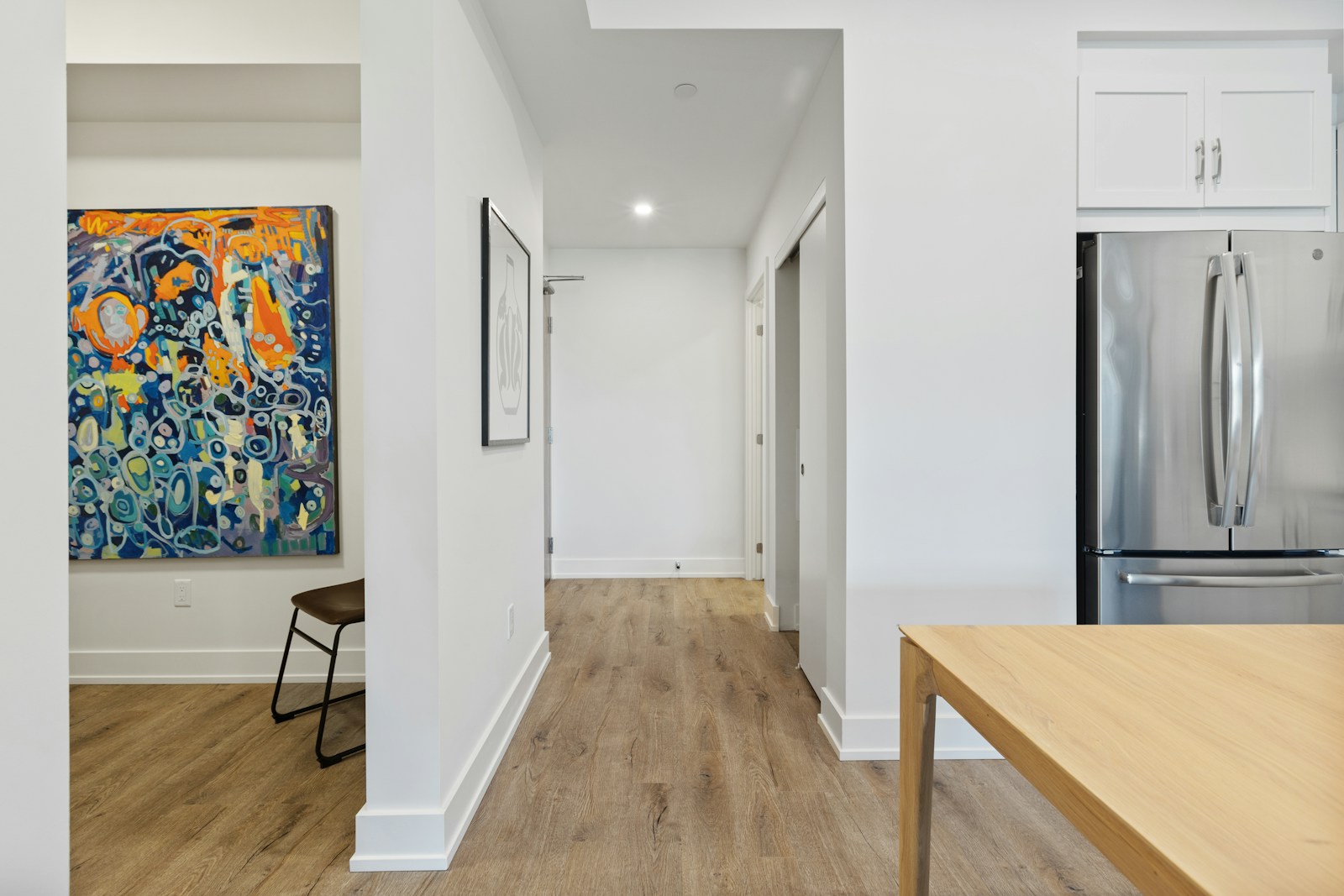
It started the way a lot of home projects do: with optimism, a playlist, and the belief that this time the painter’s tape would actually come off clean. The plan was simple—freshen up a tired hallway with a lighter color and finally stop pretending the scuffs were “character.” Then we decided to do the responsible thing and remove the breaker panel cover so we wouldn’t drip paint into the electrical box.
That’s when we found it. A sealed envelope, taped to the inside of the metal cover like someone had hidden it in plain sight. On the front, in quick, uneven handwriting, was one sentence that turned a normal Saturday into something else entirely: “Leave before it gets worse.”
A routine paint job takes a hard left
The envelope wasn’t old enough to look antique, but it didn’t look fresh either. It had that slightly softened paper feel you get when something has sat in a warm, dry spot for years. The tape was yellowed at the edges, and the whole setup had an intentional vibe—like whoever put it there wanted it found, but only by someone who would open that panel.
We did the thing you’re not supposed to do in scary movies: we opened it. Inside was a single sheet of printer paper, folded once, with the same sentence written again, bigger this time. No name, no date, no extra context, just a blunt warning that made our hallway suddenly feel like the opening scene of a true-crime podcast.
And yes, we stood there holding it while our paint roller slowly dripped into the tray, because reality has comedic timing. We looked at each other, and without either of us saying it, we both started replaying every odd noise the house had ever made. Old homes creak. Pipes knock. But after that, every sound felt like it was clearing its throat to tell us something.
What we did next (and what we didn’t)
First, we put the breaker cover back on. Not because we suddenly believed a piece of paper had power, but because neither of us wanted to keep staring into the panel like it might blink. Then we took a photo of the note, because if you don’t document weird stuff in your house, it’s basically like it never happened.
We didn’t pack a bag and run for the car. We also didn’t laugh it off and keep painting like nothing happened, which surprised me. The note landed in a very specific part of the brain—the one that says, “This is probably nothing… but what if it isn’t?”
We did what modern adults do when confronted with a mystery: we started searching for boring explanations. Could it be a prank from a previous owner? A contractor joke? A teenager trying out their future as a thriller author? Maybe. But the placement inside the breaker panel cover made it feel less like a random gag and more like a message meant for the person living there.
Neighbors, records, and the quiet ways a house keeps history
Within a day, the story had left our hallway and entered the neighborhood ecosystem. We mentioned it to the next-door neighbor while checking the mail, trying to sound casual and failing. She paused for a second—just long enough to make my stomach drop—then said she didn’t know anything about an envelope, but that the previous owners “had some bad luck.”
Bad luck is one of those phrases that can mean anything from “their roof leaked twice” to “nobody slept for a year.” We asked a few follow-up questions, gently, and got the classic shrug-plus-nonanswer that people use when they don’t want to gossip but also don’t want to lie. She did mention there had been more than one quick move-out on the street over the last decade, and that our house had changed hands faster than most.
We also pulled up what we could online: basic property records, sale dates, listings. Nothing screamed “get out now,” but the timeline was a little choppy. A couple of short ownership periods, a few price dips that didn’t match the broader market, and one listing description that leaned hard on “great bones,” which is realtor code for “try not to look too closely.”
The note that changes how you hear the house
Here’s the weirdest part: nothing happened. No lights flickered. No ominous banging in the walls. The house didn’t suddenly sprout a secret staircase or a cold spot shaped like a person. But the feeling changed anyway, as if the note had swapped the background music from “weekday sitcom” to “slow-building suspense.”
That night, the hallway looked different under the lamp. The shadows felt sharper, like the corners had opinions. And when the heat kicked on, the normal pop of the ductwork made us both glance at each other, as if the house had just cleared its throat again.
It’s not that we believed the sentence literally predicted something supernatural. It’s that warnings—especially anonymous ones—create a vacuum your imagination rushes to fill. Once you’ve been told there’s smoke, you start smelling it everywhere, even if it’s just toast.
The practical side: what a “warning note” can really mean
After the initial adrenaline wore off, we tried to look at the situation like responsible homeowners who also enjoy sleeping. A note inside a breaker panel could point to a very unromantic problem: unsafe wiring, past electrical fires, a DIY renovation gone wrong, or a known issue that someone didn’t want to deal with. If a previous resident had scary experiences—sparks, shocks, burning smells—“leave before it gets worse” might’ve been less metaphor and more “this place is a hazard.”
So we booked an electrician. Not because we were convinced we were in danger, but because the cost of a professional inspection is cheaper than both a fire and spiraling anxiety. The electrician was unfazed, in the way that makes you realize they’ve seen everything from melted bus bars to squirrel nests, and they walked through the panel, the grounding, and a few circuits with calm, methodical patience.
Nothing catastrophic turned up. There were a couple of minor issues—an older breaker that didn’t match the rest and one circuit that had been extended in a slightly messy way—but the overall verdict was that the system was serviceable and not actively dangerous. That didn’t explain the note, but it did pull the fear back into a manageable box.
So who left it, and why?
We may never know, and that’s the part that bugs people the most when they hear this story. Friends immediately wanted a neat ending: a confession, a villain, a dramatic discovery behind the drywall. Real life doesn’t always do neat, and anonymous messages especially don’t come with footnotes.
The most likely explanations are also the least cinematic. Someone might’ve been dealing with recurring electrical problems and felt ignored. A previous occupant could’ve been experiencing something personal—an unsafe relationship, paranoia, a mental health crisis—and left a message they believed would help the next person, even if it didn’t make full sense. Or, sure, it could’ve been a prank that aged into something creepier than it was ever meant to be.
But whatever the reason, the note did one thing flawlessly: it made us pay attention. We stopped brushing off little maintenance issues. We tested the smoke detectors, checked the attic, and finally labeled the breakers like adults. If the envelope was meant to scare someone, it succeeded—then accidentally improved our home safety, which is the most awkward silver lining imaginable.
The hallway is still waiting for its second coat
We did finish painting, eventually, though the project took longer than it should’ve because we kept getting distracted by the idea that our house had secrets. Now, every time we walk past the panel, we think about that envelope tucked behind the cover, like a tiny headline trapped in metal. The sentence doesn’t feel as loud anymore, but it hasn’t fully faded either.
And if you’re wondering what we did with the note: it’s in a folder with the house paperwork, because that seems like where strange artifacts belong. Not because we’re building a case file. Just because in a home, stories pile up the same way paint does—layer by layer—until one day you notice the texture and realize you’re living inside it.
More from Willow and Hearth:
Leave a Reply