The first time it happened, it was easy to ignore. A quick buzz, a soft glow, a sleepy hand turning the phone face down like it was nothing more than an annoying firefly in the dark.
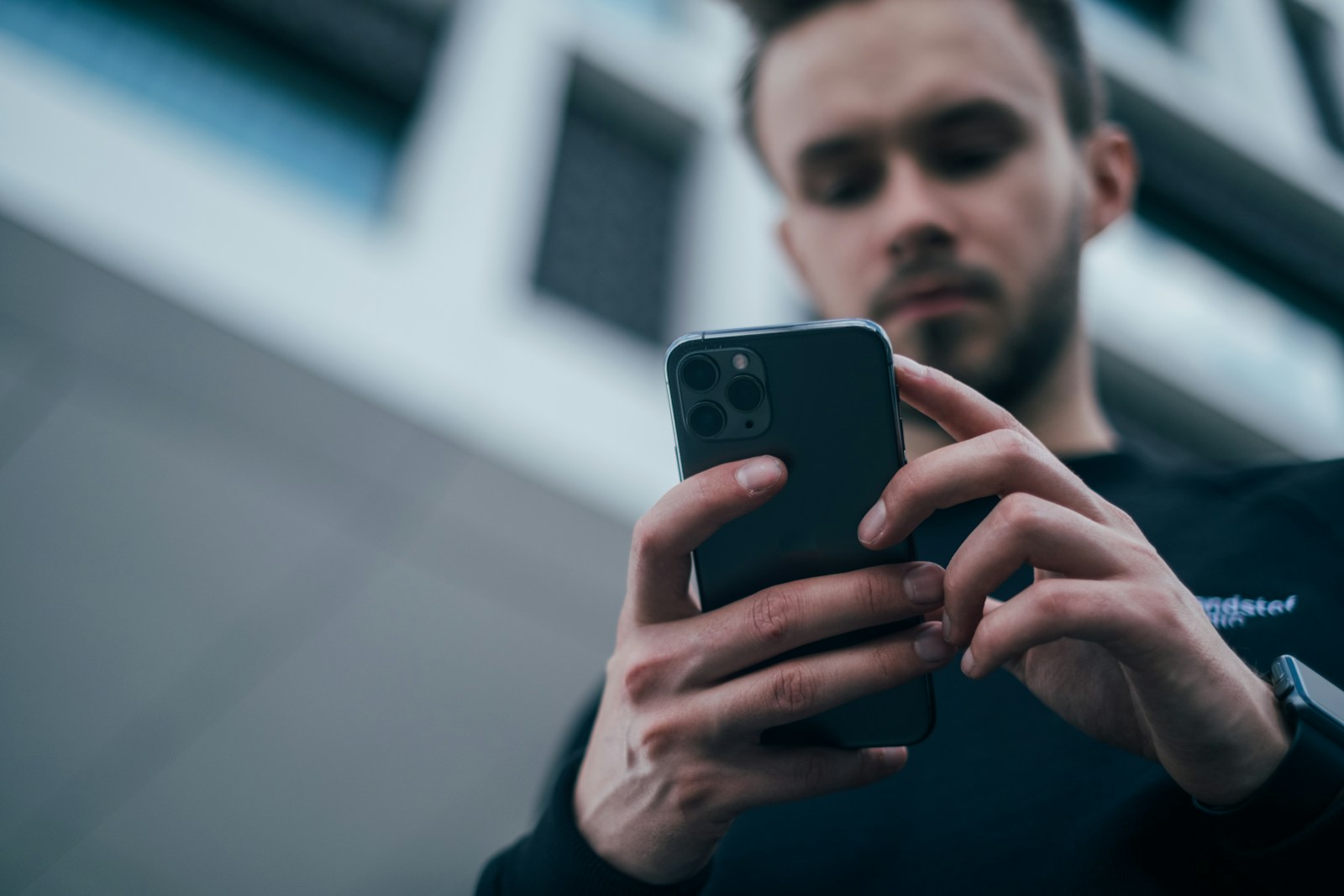
But by the third or fourth night, the pattern started to feel louder than the notification itself. Same hour, same move, same line: “It’s just spam — go back to sleep.”
A midnight mystery that feels strangely scheduled
Spam is usually chaotic. It shows up at random times, from random numbers, with that desperate energy of a bot casting a wide net.
This, though, has a routine. Several nights a week, just after midnight, the phone lights up and he reacts like he’s trying to beat the brightness to the punch.
That’s the part that gets people. Not the notification, exactly, but the choreography—fast, practiced, and paired with an explanation that arrives before you’ve even asked a question.
It’s the difference between “Ugh, spam again” and “Don’t look over here, nothing to see.” Those two vibes don’t always share a zip code.
What experts say about “spam” that keeps perfect time
Digital security folks will tell you there actually are alerts that show up on a schedule. Automated bank summaries, app maintenance pings, crypto price triggers, even two-factor codes if someone’s repeatedly trying to log into an account.
Some services also batch notifications and push them at predictable times to reduce server load. In other words, yes, “spam” can be oddly punctual.
But here’s the catch: most people don’t react to routine alerts like they’re defusing a bomb. If it’s truly harmless, they might squint, swipe it away, and roll over—no urgency, no secrecy.
A quick flip to face down isn’t proof of anything, but it is a clue about comfort level. People hide what they don’t want discussed, not what they don’t care about.
The relationship angle: why the reaction matters more than the notification
Couples therapists often talk about “the second story,” meaning the meaning we assign to a behavior. A notification at midnight isn’t automatically suspicious; the secrecy around it can be.
When someone moves fast to cover a screen, they’re not just managing a device—they’re managing your access to information.
That can trigger a very normal spiral: Is he lying? Is he stressed? Is there someone else? Or is it genuinely an embarrassing game app reminding him his “energy is full” like he’s a middle-schooler sneaking Minecraft time?
The brain hates unanswered questions, especially when sleep-deprived. Midnight mysteries have a way of growing teeth by morning.
Common (and surprisingly normal) reasons for scheduled late-night alerts
Before anyone jumps straight to doom, it’s worth knowing there are plenty of mundane explanations. Some people get work-related system alerts from overseas teams, automated on-call pings, or delivery updates tied to time zones that don’t match yours.
Others have finance apps that flag transactions, credit monitoring services that run nightly sweeps, or email digests that drop at a set hour.
Then there are the “private but not cheating” categories: recovery apps, therapy reminders, journaling prompts, support group messages, or even medical portals. People can be weirdly self-conscious about those, even with someone they love.
And yes, sometimes it’s as silly as a game notification, a sports app push alert, or a group chat that insists on resurrecting itself at 12:07 a.m. like it’s legally obligated.
The less comfy possibilities people whisper about
There are also reasons that make your stomach drop a little. A specific person messaging at a consistent time, a second account, a dating app push, or a “quiet hours” workaround that still sneaks through—these are all things people have seen before.
Some apps can be set to notify at scheduled times, and some messages can be timed to send later. Predictable doesn’t mean innocent; it just means repeatable.
Another possibility that gets overlooked: someone else could be trying to access his accounts. Repeated login attempts can trigger alerts at the same time if a script is running, and that can make someone defensive or embarrassed rather than transparent.
But again, the question isn’t only “What is it?” It’s “Why can’t we talk about it like adults who share a bed?”
What people close to the situation are doing: the rise of the “gentle ask”
Friends in these situations often start with what one person called the “gentle ask,” which is basically curiosity without an accusation. Something like: “Hey, I’ve noticed your phone lights up after midnight a lot. What’s that from?”
It’s simple, direct, and gives the other person room to be honest without feeling cornered.
The key is timing. Asking at 12:03 a.m. when both of you are half-asleep can turn any conversation into a fight, even if the answer is boring.
Bringing it up the next day—over coffee, in the car, during a calm moment—tends to get a clearer response.
How to tell if you’re being reassured or brushed off
There’s a difference between reassurance and shutdown. Reassurance sounds like, “Oh, it’s my bank app—look, here’s the alert settings,” or “It’s my work system; I can show you the on-call schedule.”
Shutdown sounds like, “It’s nothing,” “You’re overreacting,” or the classic midnight command: “Go back to sleep.”
Most people don’t mind clarifying something harmless once or twice. If a partner refuses to explain at all, or acts angry that you noticed, that’s when the issue becomes less about notifications and more about trust.
Trust isn’t built on having zero privacy; it’s built on not making your partner feel foolish for asking reasonable questions.
What a “newsroom checklist” would look like in real life
If this were a story being reported, the first step would be basic verification. What app is sending the alert? Is it a push notification, a text message, or an email banner lighting the screen?
Even the sound can help—texts, app pings, and system alerts often have different tones unless everything’s been set to the same one.
The next step would be pattern confirmation. Does it happen on certain days, like weeknights only, or right after he plugs in the phone? Does “Do Not Disturb” turn off at midnight on his device settings?
Scheduled focus modes can create spooky patterns that look personal when they’re actually just settings.
And finally, there’s context. If everything else feels solid—communication is good, behavior is consistent, there’s no other secrecy—this might be a quirky tech habit.
If other things feel off, the midnight alert becomes less of a mystery and more of a symptom.
Where this leaves couples: curiosity, boundaries, and one honest conversation
At the end of the day, the glow of a screen isn’t the real headline. The real headline is what happens when one person notices something and the other person won’t meet them in the middle with a straight answer.
It doesn’t have to be a trial. It just has to be honest.
People are allowed to have private corners of their lives. They’re also responsible for not turning those corners into trapdoors that make someone else feel unsafe.
And if it truly is spam? Great—then it should be the easiest mystery in the world to clear up, preferably in the daylight, when nobody’s being told to go back to sleep.
More from Willow and Hearth:
Leave a Reply