It started the way most weekend cleanouts do: good intentions, a little chaos, and the sudden urge to “just be ruthless.” We’d opened every cabinet, pulled out old casserole dishes, mismatched mugs, and that one drawer everyone has where mystery lids go to retire. Then, from the back of a shelf like it had been grounded for decades, we found it—the cookie jar.
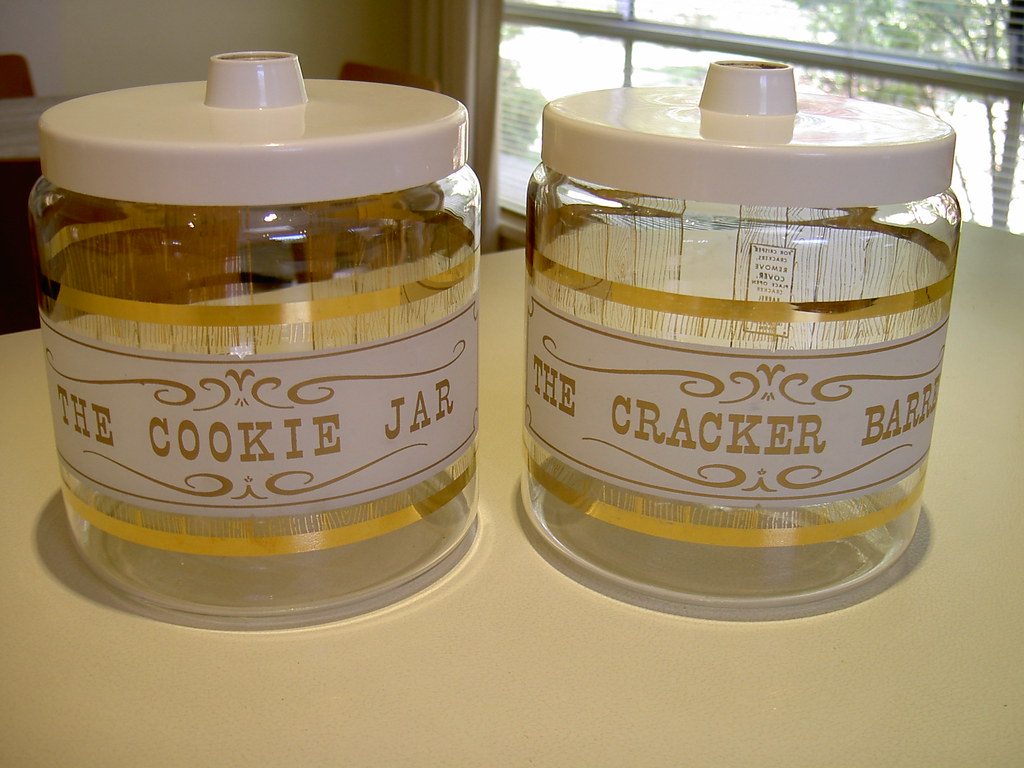
It was heavy, dusty, and wearing that unmistakable mid-century glaze that somehow looks both cheerful and slightly haunted at the same time. The lid didn’t quite sit straight, and there were a few tiny scuffs that made us assume it was basically charity-bin material. Someone said, “Cute, but we don’t need another thing,” and it was halfway to the donation box.
The kind of “old” that feels ordinary—until it doesn’t
This is the tricky part about vintage stuff: most of it looks like it belongs in a “grandma’s kitchen” montage. Cookie jars especially have a way of feeling common because they were made to be used, not displayed behind glass. They got handled, chipped, shoved into corners, and filled with whatever counted as a treat that week.
Ours had that classic 1950s vibe—bright color, playful shape, the kind of design you can picture next to a chrome toaster. It didn’t scream “valuable,” and honestly, that’s why it was in the maybe-pile. It felt like something you’d see at a yard sale for ten bucks, not something people actively search for.
The quick search that stopped the donation box in its tracks
At the last second, we did what everyone does now: we grabbed a phone and searched it. Not even a deep research session—just a quick look for the maker’s mark on the bottom and a few keywords based on the design. And within about a minute, the mood in the room changed.
Because there it was: the same jar, the same design, popping up in collector forums and resale listings. Some were labeled “rare,” some “hard to find,” and several mentioned that people collect entire sets from that exact line. Suddenly, our dusty little jar didn’t look like clutter. It looked like a thing someone would genuinely get excited about finding.
Why collectors care so much about a specific design
Cookie jar collecting is one of those hobbies that’s easy to underestimate until you peek inside it. For collectors, it’s not just “a jar,” it’s the exact model, the exact colorway, and sometimes even the exact year a manufacturer produced that particular mold. One small variation—different paint details, a different stamp, a slightly altered lid—can change demand fast.
In the 1950s, American kitchens became a canvas for bright, optimistic design, and cookie jars turned into mini sculptures you could actually use. Companies experimented with whimsical shapes and bold glazes, and those designs now feel like time capsules. Collectors aren’t only buying ceramic—they’re buying nostalgia, style history, and the thrill of tracking down something specific.
The details that can make—or break—value
After the initial shock, we took a closer look like we were suddenly antique appraisers on a reality show. The bottom mark mattered, the glaze mattered, and yes, the lid mattered a lot. Many vintage cookie jars are worth significantly less if the lid isn’t original, because collectors want the complete piece.
Condition is also huge, but it’s not always all-or-nothing. Tiny paint wear or light crazing (those hairline glaze cracks you see on older ceramics) can be normal for age. Big chips, repaired breaks, or missing pieces are where value can drop quickly, although some designs are so sought after that even imperfect examples still sell.
How we double-checked without getting carried away
It’s easy to see a high listing price online and assume you’ve hit the jackpot. But listing prices aren’t the same as sold prices, and vintage markets can be wildly optimistic. So we looked for completed sales where possible and compared jars that matched ours in the details: same mark, same colors, same style of lid.
We also noticed that descriptions from knowledgeable sellers tended to be very specific, which was a clue in itself. They named the manufacturer, the line, sometimes even the nickname collectors use for the design. If your search results include phrases like “hard to find,” “collector favorite,” or “rare color variant,” that’s usually a sign you should slow down and verify what you’ve got.
The moment it hit us: we almost gave away “real money”
Once we realized collectors actively hunt for this exact design, the donation box suddenly felt like a trapdoor. Not because we were trying to squeeze every dollar out of our belongings, but because it’s the kind of mistake you replay later. The jar wasn’t just sentimental—it had a real, measurable value that could be used for something practical.
And honestly, it was a little funny in that “of course this would happen” way. We’d spent an hour debating whether to keep a cracked planter, but we nearly tossed the thing that people actually search for. There’s something humbling about learning your “random old jar” has an entire fan club.
If you find something similar, here’s the low-stress way to check it
First, look for a maker’s mark on the bottom: a stamp, an impressed logo, or even a hand-written number. Take clear photos of the front, back, lid, and base, because collectors care about all of it. Then use a visual search tool or type the most obvious details into a search—color, character, shape, and any text you see.
Next, compare against sold listings, not just what people are asking. If you’re not sure what you’re looking at, try searching collector groups or forums where people discuss specific lines and reproductions. And if it seems promising, resist the urge to scrub it aggressively—gentle cleaning is fine, but harsh chemicals or abrasive pads can damage vintage glaze and paint.
What we’re doing with the jar now
For the moment, it’s not going anywhere. We cleaned it carefully, took photos, and tucked it somewhere safe, which is a very different fate than the donation bin. We’re deciding whether to keep it as a cheerful, functional piece of kitchen history or sell it to someone who’s been searching for that exact design for years.
Either way, the weekend cleanout got a lot more interesting. It’s made us look at our shelves differently—not with paranoid “everything must be valuable” energy, but with a little more curiosity. Because apparently, the line between “dusty old cookie jar” and “collector prize” can be about thirty seconds of searching.
More from Willow and Hearth:
Leave a Reply