It sat on the top shelf of the garage for as long as I can remember, wedged between a coffee can of loose screws and a dusty tape measure. The metal was dull, the corners were mashed in, and the handle had that wobble you only get after years of being dragged around by an impatient kid. If you’d asked me last month, I would’ve called it “junk” without even looking twice.
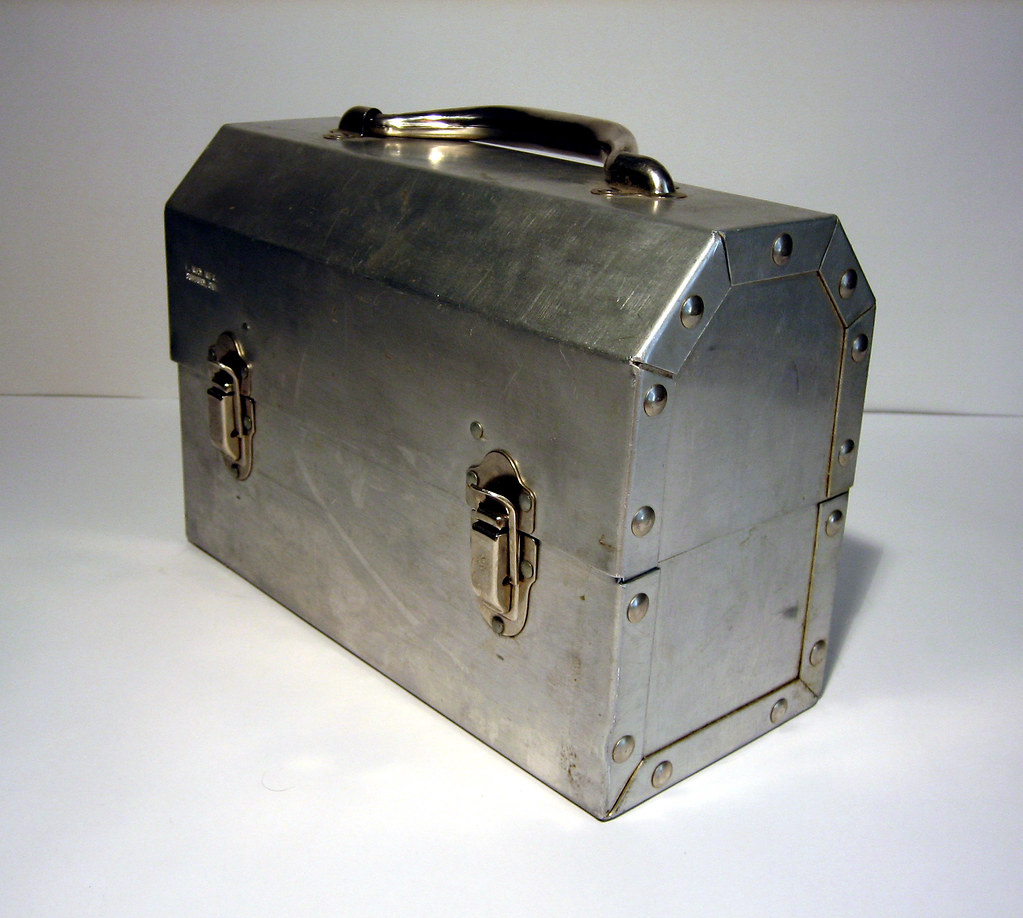
Then, one late night of casual scrolling, I saw it. Same shape, same ridges, same slightly awkward latch—only this one was photographed on a clean white background with words like “rare” and “excellent graphics” and a price that made me sit up: $325. Suddenly, my dad’s lunchbox wasn’t just a beat-up container for sandwiches. It was a little time capsule that someone, somewhere, would pay real money to own.
A familiar box, an unexpected price tag
The listing wasn’t subtle about it: “Vintage metal lunchbox, complete with matching thermos.” The photos looked almost too pristine, like the lunchbox had never spent a day in the hands of an actual child. Still, it was clearly the same model as my dad’s—right down to the cartoon scene on the front that I’d only half-remembered from childhood.
At first, I assumed it was a fluke, like those random online posts where someone tries to sell a beanie baby for the cost of a used car. But then I searched again. And again. And the numbers kept showing up—$150, $240, $400—depending on the character, the year, the condition, and whether the thermos was still there like a loyal sidekick.
Why old lunchboxes are suddenly hot collectibles
Collectors have always loved nostalgia, but lunchboxes hit a special nerve because they’re so tied to everyday life. They’re not fancy, they weren’t meant to be saved, and that’s exactly why so many disappeared. A vintage lunchbox that survived school hallways, basement floods, and garage cleanouts is basically a small miracle.
There’s also the pop-culture factor. Certain TV shows, cartoons, and movie tie-ins have collector followings that are intense in the best way—people hunting for a specific character from their childhood like it’s a missing puzzle piece. Add limited production runs, regional releases, and decades of wear-and-tear, and you’ve got a market where the “right” lunchbox can spark a bidding war.
The details that turn “beat-up” into “valuable”
It turns out vintage lunchboxes aren’t priced by vibes; they’re priced by specifics. Condition matters, yes, but so do the graphics, the shine of the metal, and whether the corners are only lightly scuffed or fully crumpled like a soda can. Collectors look for bright artwork, minimal rust, working latches, and—this part surprised me most—original paint that hasn’t been “touched up” by a well-meaning relative with a brush.
Then there’s the thermos. If the lunchbox is Batman, the thermos is Robin: nice to have, and sometimes worth almost as much. A matching thermos with an intact cap, clean interior, and legible graphics can push the price way up, while a missing one can drag it down even if the lunchbox itself is decent.
What my dad’s lunchbox says about the era it came from
When I brought the garage box inside and wiped it off, it looked less like “scrap tin” and more like a working-class artifact. You could see where a kid’s fingers had worn the paint around the latch, and where the handle had rubbed shiny from years of carrying. Those dents weren’t random damage—they were little timestamps from bus rides, playground drops, and hurried mornings.
Metal lunchboxes had a moment in the mid-20th century, especially when licensing deals exploded and kids could carry their favorite characters to school. Before plastic became the norm, these boxes were sturdy, loud, and honestly kind of charming in a clunky way. They’re also a reminder of a time when “branding” wasn’t a dirty word—it was just the fun part of showing what you liked.
Online marketplaces are rewriting the value of everyday stuff
The weird magic of the internet is that it turns local objects into global commodities. In a single search, you’re no longer limited to what your neighborhood thrift store thinks something is worth. You’re seeing what someone in another state—or another country—will pay to get that exact thing shipped to their door.
That doesn’t mean every old lunchbox is a jackpot, and it definitely doesn’t mean every listing price is real. But it does mean the floor has shifted. Items that used to be tossed during spring cleaning are now being photographed, cataloged, and compared like art prints—because, in a way, they’re mass-produced art that survived long enough to become rare.
How people are checking if their lunchbox is the “hundreds” kind
If you’ve got a lunchbox at home and you’re curious, the first step is simply identifying it. Look for character names, manufacturer marks, and any date stamps, usually hidden along the bottom edge or inside. A quick image search can sometimes nail the match in seconds, especially for popular designs.
Then, ignore the flashiest asking prices and check “sold” listings on major resale sites. That’s the real heartbeat of the market—what people actually paid, not what someone hopes they’ll pay. And if you’re thinking about selling, collectors tend to appreciate honest photos: close-ups of rust, dents, and the latch, plus a clear shot of any thermos (or proof it’s missing).
Sentimental value meets collector value
The funniest part is that once I knew the lunchbox might be worth money, I wanted to keep it even more. Not because I was suddenly greedy, but because it felt validated—like the memories attached to it had been appraised, too. That wobbly handle wasn’t just worn out; it was evidence that my dad had been a kid with a routine, a lunch, and a life that kept moving.
My dad laughed when I told him what people were paying. He said he remembered the day he got it, and also that the latch never worked quite right, which feels very on-brand for childhood treasures. We didn’t list it online, at least not yet. For now, it’s cleaned up and sitting somewhere it won’t get buried again, quietly reminding us that “old” doesn’t always mean “worthless.”
More from Willow and Hearth:
Leave a Reply