It started, as these things often do, with a Post-it note. Not a catastrophic, roommate-ending note—just a tidy little square of judgment stuck to the faucet that read, “Pls don’t leave dishes overnight :)” The smiley face did a lot of heavy lifting, but not enough to disguise the vibe: polite on paper, spicy in spirit.
Here’s the twist, though: the person leaving the notes is also three months behind on the internet bill. Not “oops, I forgot last month,” but “the Wi‑Fi has been running on my credit card’s hopes and dreams since fall.” And now we’re living in that uniquely modern domestic standoff where one person is mad about plates and the other is mad about payments.
The Note Economy Is Booming
Passive-aggressive notes are the small-town newspaper of shared living. They’re brief, dramatic, and somehow always posted in high-traffic areas: the fridge, the sink, the thermostat, sometimes the front door if someone’s feeling bold. They’re also a way of avoiding an actual conversation, which is convenient until it isn’t.
In this case, the notes have escalated in both frequency and specificity. First it was “dishes,” then “dishes + sponge situation,” then a surprisingly detailed message about “how food bits clog the drain and we all live here.” Nobody’s said the words out loud, but the subtext is clear: someone believes they’re the household’s unpaid manager.
The Wi‑Fi: A Silent Third Roommate
Meanwhile, the internet has been quietly doing what the internet does—powering work calls, streaming comfort shows, delivering late-night grocery orders, and helping everyone pretend they’re going to finally learn Portuguese. It’s also been quietly charging one person for everyone’s usage. That person is me, and my bank app has started giving me that disappointed-parent look.
The roommate who’s behind insists they’ll “catch up next payday,” a phrase that has now appeared in our home as often as the words “clean as you go.” It’s not that they’re refusing outright; it’s more like they’ve decided the bill is a future problem, and future-you seems like a really responsible person. Present-you, on the other hand, is leaving notes about forks.
How We Got Here (Because It’s Never Just About Dishes)
If you’ve ever lived with someone, you know the fight is rarely about what it’s about. Dishes are visible and immediate, which makes them perfect for simmering resentment. Money is heavier, more awkward, and easier to procrastinate—until it isn’t.
There’s also the fairness math we all do in our heads. You tally chores, supplies, noise levels, emotional labor, who replaced the toilet paper, who bought the last bottle of dish soap, who keeps eating your leftovers and swearing they “thought it was communal.” When one part of the equation feels off—like covering three months of Wi‑Fi—every plate in the sink starts to look personal.
The Timeline: From Mild Annoyance to Household Cold War
According to a rough reconstruction of events (and several screenshots of payment reminders), the internet bill became lopsided around the same time the note-writing began. That’s not proof of anything, but it does make you wonder if the notes are a way to regain some moral high ground. Like, “I may owe you money, but you left a mug out, so we’re both guilty here.”
It’s a classic roommate move: shifting the conversation to the most winnable battlefield. Dishes are concrete; you can point to them. A past-due balance is less visually satisfying—no matter how badly you want to tape the invoice to the microwave like a very grown-up Post-it note.
Inside the Apartment: Two Realities, One Sink
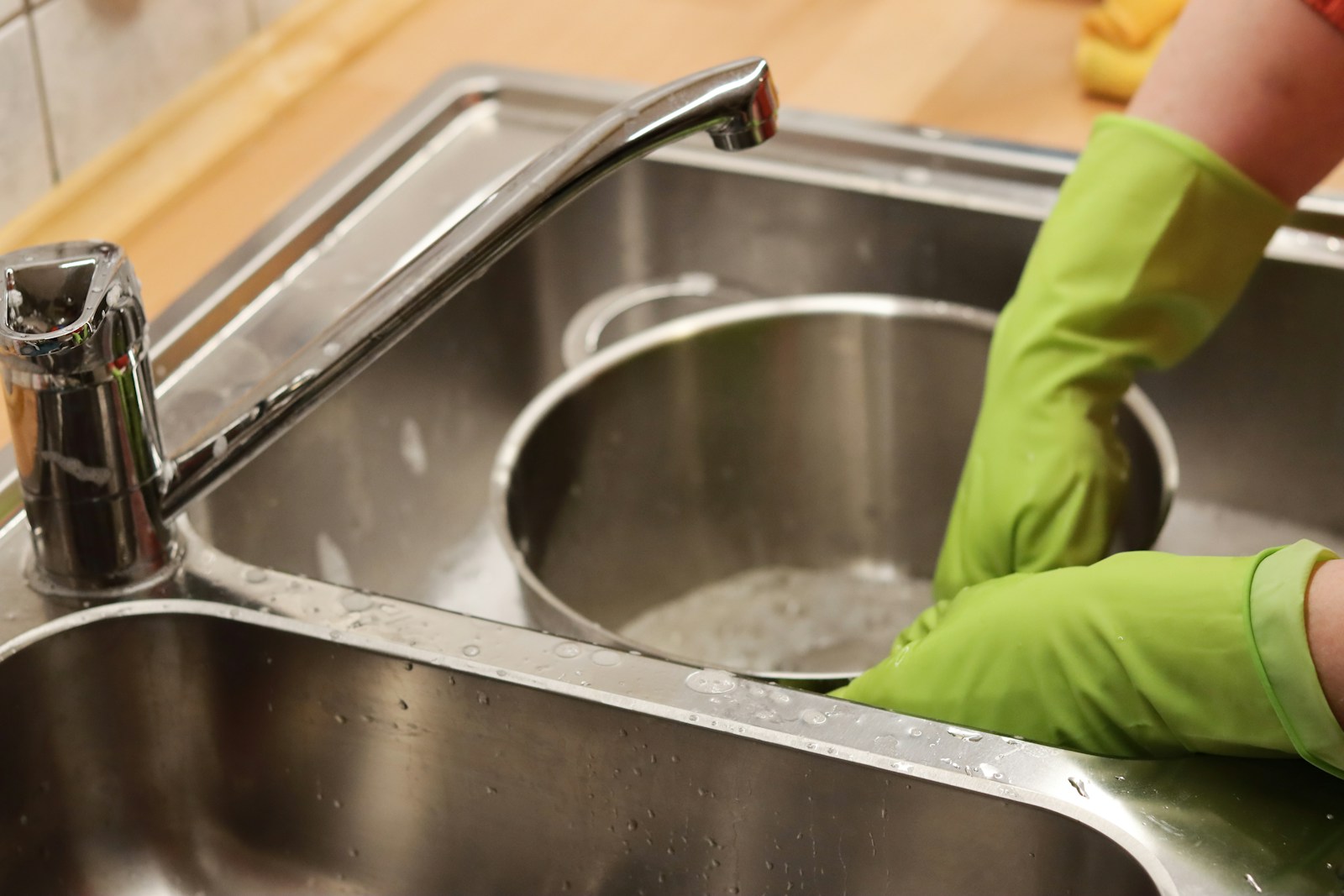
To be fair, I do sometimes leave dishes in the sink. Not for days on end, not in a “crime scene” way, but in a normal human way—especially after a long day when the idea of scrubbing a pan feels like negotiating international peace. I’m not proud of it, but I’m also not pretending it’s the collapse of civilization.
My roommate, for their part, seems genuinely irritated by clutter and mess. That’s valid, and it’s something we should be able to talk about like adults who share a lease. What’s tricky is the moral imbalance: it’s hard to accept critique about a bowl when you’re effectively subsidizing the entire household’s ability to watch videos in HD.
Attempts at Diplomacy (and Why They Keep Failing)
I tried the polite route first: casual reminders, friendly texts, a “hey, can you send your part when you get a sec?” approach that’s designed to sound breezy while your eye twitches. The responses were warm, apologetic, and non-committal. Somehow, the money never moved.
And then the notes kept appearing, which is where the emotional math got messy. It’s not the notes themselves—it’s the confidence of them. There’s something fascinating about being audited for dish etiquette by someone who’s currently in debt to your router.
What Friends Say When You Tell Them
Friends, predictably, fall into two camps. Camp One says, “Turn off the internet until they pay,” usually with the enthusiasm of someone who doesn’t have to live in the apartment afterward. Camp Two says, “Just wash your dishes faster,” which is helpful in the same way “just be rich” is helpful.
The most useful friend response is the one that sounds boring: “You need a real conversation and a clear system.” It’s not as satisfying as revenge, but it does address the actual problem, which is that the house is running on vibes instead of agreements.
The Unspoken Question: Is This About Control?
There’s a gentle theory floating around that the notes aren’t really about cleanliness. They’re about anxiety, control, and the weird discomfort of owing someone money. If you’re behind on payments, you might feel small, and one way to feel big again is to become the kitchen compliance officer.
That doesn’t excuse it, but it explains the energy. It also explains why the notes always sound like rules rather than requests, even when they’re dressed up with a smiley face. People rarely weaponize a sticky note because they’re totally at peace.
Where It Goes From Here
Right now, the apartment is in a tense but functional ceasefire. The dishes get done faster, the notes keep coming, and the Wi‑Fi continues to hum along like nothing’s wrong. But the unpaid balance is real, and it’s quietly turning into the kind of resentment that can poison even a pretty decent roommate setup.
The next move, according to anyone who’s survived shared housing with their sanity intact, is to stop communicating via stationery. That means sitting down, naming both issues plainly—dishes and money—and deciding on something concrete: a payment date, a split-bill app, a written agreement, maybe even rotating chores so nobody feels like the house janitor. It’s less dramatic than a Post-it, but it’s also how you prevent the sink from becoming the front line of a financial dispute.
Until then, the notes remain: small, square reminders that in 2026, domestic peace can be undone by two things—one forgotten plate and one unpaid password.
More from Willow and Hearth:
Leave a Reply