A small wedding can feel like the perfect solution: intimate, meaningful, and (in theory) easier to plan. But one bride’s “tiny guest list” rule has turned into a messy social situation after she told friends and family they couldn’t bring plus-ones—then quietly made exceptions for a handful of coworkers. When confronted, she reportedly brushed it off as “different circumstances,” which did not go over well.
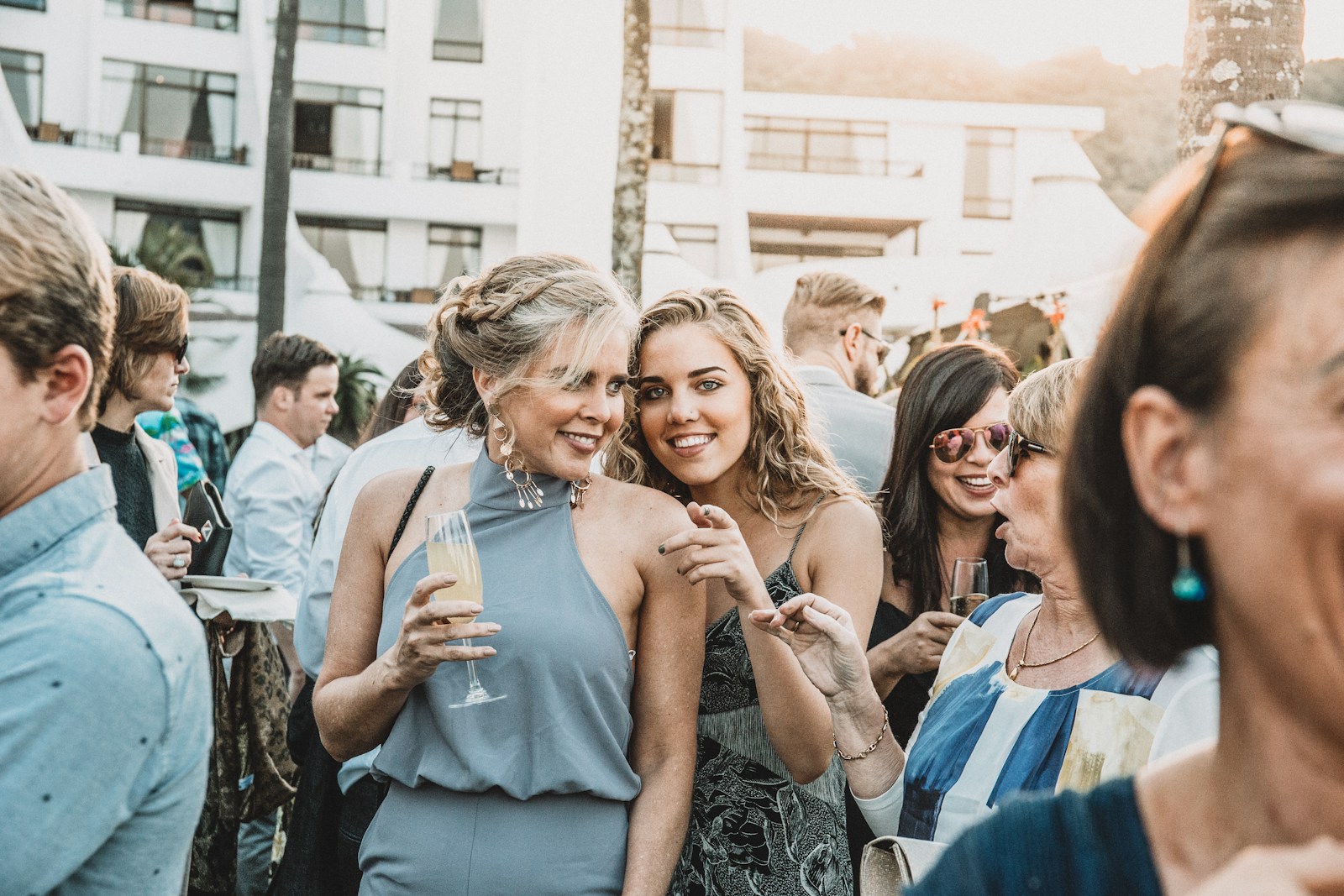
The dispute has sparked a familiar debate: is a plus-one a luxury or a courtesy? And if you’re going to make exceptions, how do you do it without making people feel like they’ve been ranked?
A Simple Rule: No Plus-Ones, “We’re at Capacity”
According to guests familiar with the situation, the bride initially laid down a clear policy: no one gets a plus-one. The reason was straightforward—limited space at the venue and a tight headcount that couldn’t stretch.
Some people were disappointed but accepted it, figuring that’s the trade-off with a smaller wedding. “We’d love to have you there” is easier to hear when the rules feel consistent, and at first, this one did.
Then the Seating Chart Told a Different Story
Tension reportedly started when guests realized several of the bride’s coworkers were allowed to bring partners. These weren’t longtime family friends or members of the wedding party—just colleagues, some of whom other guests barely knew.
It didn’t take long for the question to pop up: if the issue was space, where did the extra seats come from? And why did those seats go to coworkers’ partners rather than, say, a cousin’s long-term boyfriend or a friend traveling in from out of town?
“Different Circumstances” Isn’t the Explanation People Think It Is
When asked about the apparent exceptions, the bride allegedly described them as “different circumstances.” That phrase can mean a lot of things—work politics, social dynamics, or even a miscommunication about who was actually invited.
But to the people who were told “no,” it landed like a polite way of saying, “This rule applies to you, not to them.” And once guests start feeling like they’re being sorted into tiers, the wedding stops being a celebration and starts looking like a popularity contest with place cards.
Why People Get So Sensitive About Plus-Ones
On paper, plus-ones are optional. In real life, they’re tied to how welcome and considered someone feels—especially if they’re single, traveling, or not close with many other guests.
A plus-one can be the difference between “This will be fun” and “I’m going to sit alone during dinner while everyone else talks to their partners.” It’s not always about romance, either; it’s about comfort, especially when the room is filled with groups that already know each other.
The Coworker Exception: Understandable… and Still Risky
To be fair, there are reasons someone might make exceptions for coworkers. Maybe the bride works closely with them every day, wants to keep workplace peace, or worries that not inviting partners could come back to bite her Monday morning.
But even if that logic makes sense privately, it doesn’t play well publicly. Friends and relatives tend to assume they’re “inner circle,” so seeing coworkers get special treatment can feel like discovering you’re not as close as you thought—at the worst possible time.
Space Constraints Are Real, But Transparency Matters More Than People Admit
Weddings are expensive, venues have strict capacity limits, and the headcount math gets ugly fast. One extra guest isn’t “just one extra guest” when you’re balancing seating charts, catering minimums, and fire-code limits.
Still, when a couple says “we can’t” and then clearly does, guests will assume the issue isn’t space—it’s preference. And preferences are fine! The trouble starts when they’re presented as hard limits for some people and flexible guidelines for others.
What Guests Typically Consider “Fair” (Even If They Don’t Love It)
Most guests can handle disappointment if the rule feels consistent. Common approaches that people grudgingly accept include: married and long-term partners are invited by name, wedding party members get a plus-one, and everyone else is solo.
Where it gets dicey is when exceptions aren’t tied to a clear category. “Coworkers I like” isn’t a category anyone can predict, and that unpredictability is what makes people feel singled out.
How This Kind of Conflict Snowballs
It usually starts with a quiet question—someone noticing an extra name on a place card or hearing about a coworker’s partner being excited to attend. Then the group chat wakes up, and suddenly the wedding is being discussed like a plot twist.
At that point, it’s rarely about the plus-one anymore. It becomes about respect, honesty, and whether the couple is treating people like valued guests or interchangeable bodies filling chairs.
The Bride’s Options Now (None of Them Perfect)
If the wedding hasn’t happened yet, the cleanest fix is clarity. The bride could acknowledge that she made exceptions for work reasons, apologize for how it looked, and—if possible—offer a limited number of additional plus-ones in a consistent way (even if it’s only for out-of-town guests or long-term partners).
If there’s truly no space, she can still do damage control by being direct and kind: “I know this feels unfair. I handled this badly, and I’m sorry.” People don’t require perfection, but they do respond to accountability way better than to vague phrases that sound like corporate HR.
What Guests Can Do Without Making It Worse
Guests who feel slighted are allowed to feel that way, but it helps to decide what you actually want: a plus-one, an explanation, or just the validation that it was rude. If you’re close enough to ask, a private, calm message is more effective than a public confrontation.
And if attending solo will genuinely make you miserable, it’s also okay to decline—politely. A wedding invitation isn’t a court summons, and sometimes the most peaceful choice is sending a gift, wishing them well, and skipping the seating-chart drama entirely.
A Tiny Wedding Still Needs Big-Enough Consideration
Small weddings are supposed to reduce stress, not concentrate it into a handful of awkward interpersonal decisions. The moment exceptions get handed out without a clear, consistent rule, guests start doing the math—and nobody likes what that math implies.
If there’s a lesson here, it’s that “different circumstances” might be true, but it’s not a strategy. When space is tight, kindness and consistency are the real lifelines, even more than the seating chart.
More from Willow and Hearth:
Leave a Reply