As the days get shorter and temperatures start to dip, it’s a good time to think about wrapping up your gardening for the season. Fall is the perfect opportunity to get your garden ready for the cold months ahead without feeling rushed.
Getting these last-minute tasks done now helps protect your plants and saves you work in spring. Taking care of a few key chores before winter arrives means your garden will be in better shape when the growing season kicks back up.
Mulch around perennials to protect roots from freezing
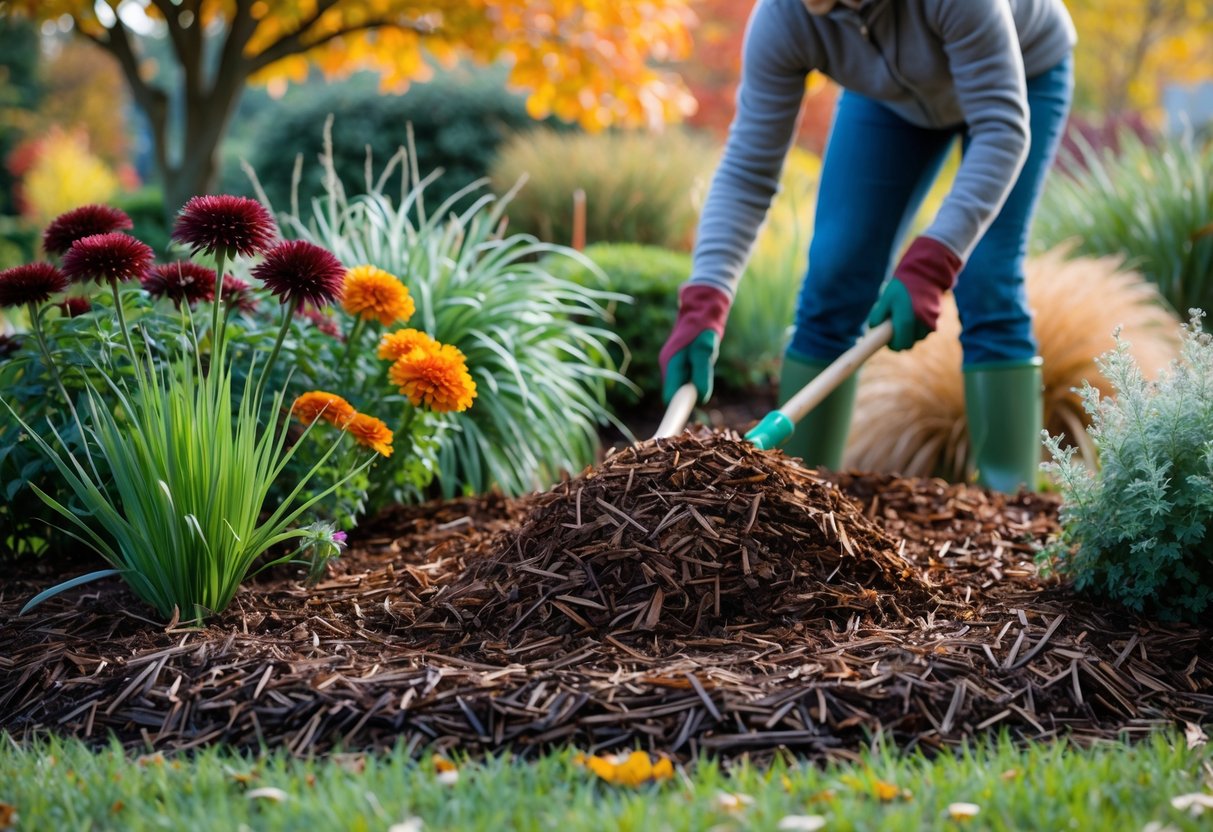
Mulching your perennials is a simple way to help them get through cold weather. A thick layer of mulch acts like a blanket for the roots, keeping the soil temperature steady and preventing freezing.
You want to use materials like shredded leaves, straw, or bark. Spread about 2 to 4 inches around the base, but avoid piling mulch against plant stems to prevent rot.
This extra insulation reduces temperature fluctuations and keeps moisture in the soil. By mulching now, you give your plants a better chance to survive winter and come back strong in spring.
Plant spring bulbs like tulips and daffodils now.
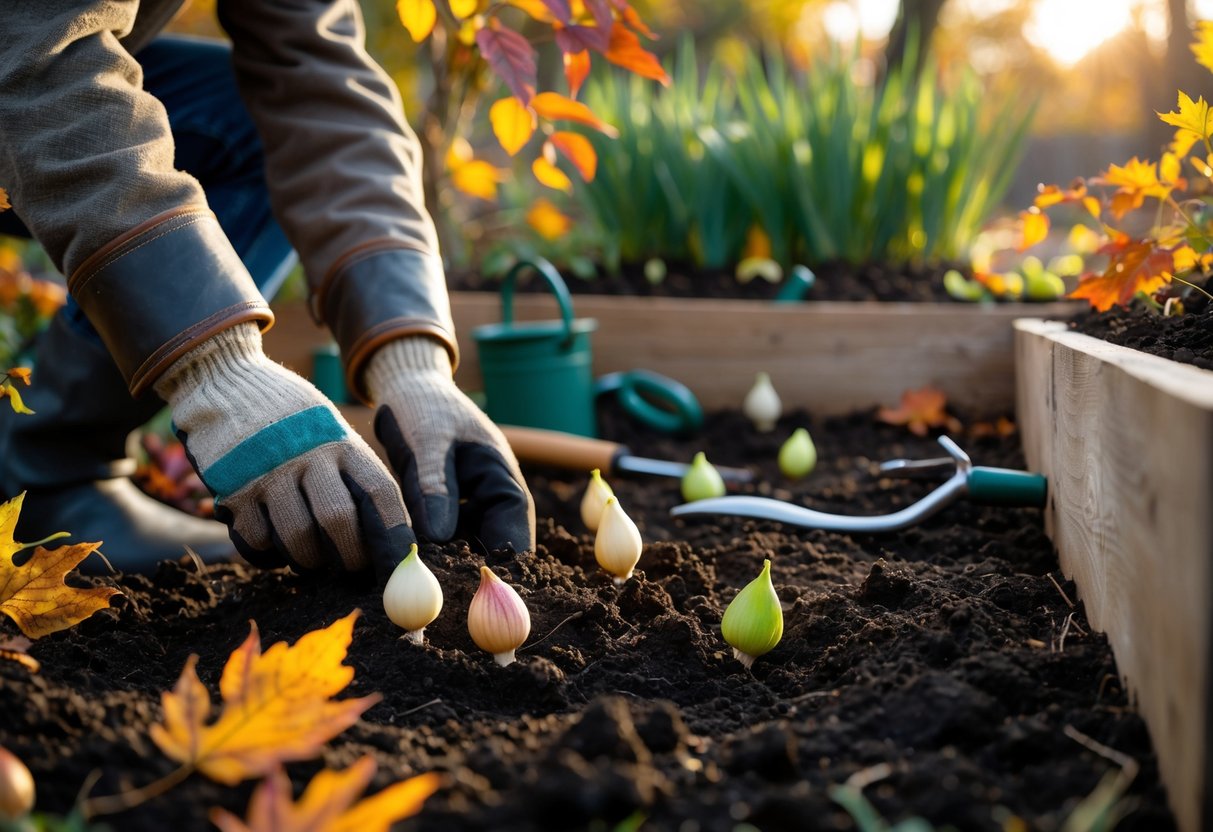
You still have time to plant spring bulbs like tulips and daffodils. November is a great month to get them in the ground before winter sets in.
Make sure to pick a sunny spot with well-drained soil. Plant the bulbs about three times as deep as their height.
Water them well after planting and add mulch to protect against cold and keep moisture in. This will help your bulbs root and get ready to bloom in spring.
Remove diseased plants to prevent overwintering pests
You’ll want to clear out any diseased or dead plants from your garden. These plants can harbor pests and diseases that survive through winter and come back strong next spring.
Be thorough when removing plant debris, including roots and fallen leaves. Leaving these behind can give pests a cozy place to sneak through winter.
After cleanup, consider composting healthy plant material separately and disposing of diseased plants away from your garden. This step helps keep your soil healthier for the next growing season.
Clean and sharpen garden tools before storing
Before you tuck your tools away for winter, take some time to clean them. Dirt and sap can cause rust or dull blades if left on. Use a stiff brush or a cloth to remove grime from blades and handles.
After cleaning, sharpen any cutting edges. Sharp tools make your spring work easier and safer. A basic garden tool sharpener or a sharpening stone works well and doesn’t take much effort.
Finally, wipe your tools with oil to prevent rust. Store them in a dry spot, and consider wrapping sharp blades with cloth or covers to protect them and yourself.
Rake fallen leaves and compost or mulch them.
When leaves start piling up, don’t just toss them away. Raking them into a pile makes it easy to collect and use them for compost or mulch.
Composting leaves adds nutrients back into your soil, helping your garden thrive next spring. Mulching with chopped leaves also protects your grass and garden beds through winter.
If you mulch leaves with your mower, it breaks them down faster and prevents thick layers that could smother your lawn. Either way, using fallen leaves in your yard is a simple way to reduce waste and improve soil health.
Cut back dead annuals and trim shrubs
You’ll want to cut back dead annuals to keep your garden tidy and reduce disease risks. Removing dead growth helps make room for healthy plants next year.
When trimming shrubs, be careful. If your shrubs bloom on new wood, a light fall trim encourages strong growth. But avoid cutting shrubs that bloom on old wood to protect their next season’s flowers.
A little pruning now shapes your shrubs and clears away tired branches. Just don’t cut too low—some plants need their crown intact to survive winter well.
Leave a Reply