
Getting your garden ready for the first snow can feel like a lot, but it’s a key step to making sure your plants and soil stay healthy through winter. When the cold sets in, your garden needs some extra care to avoid damage and be ready to bounce back in spring.
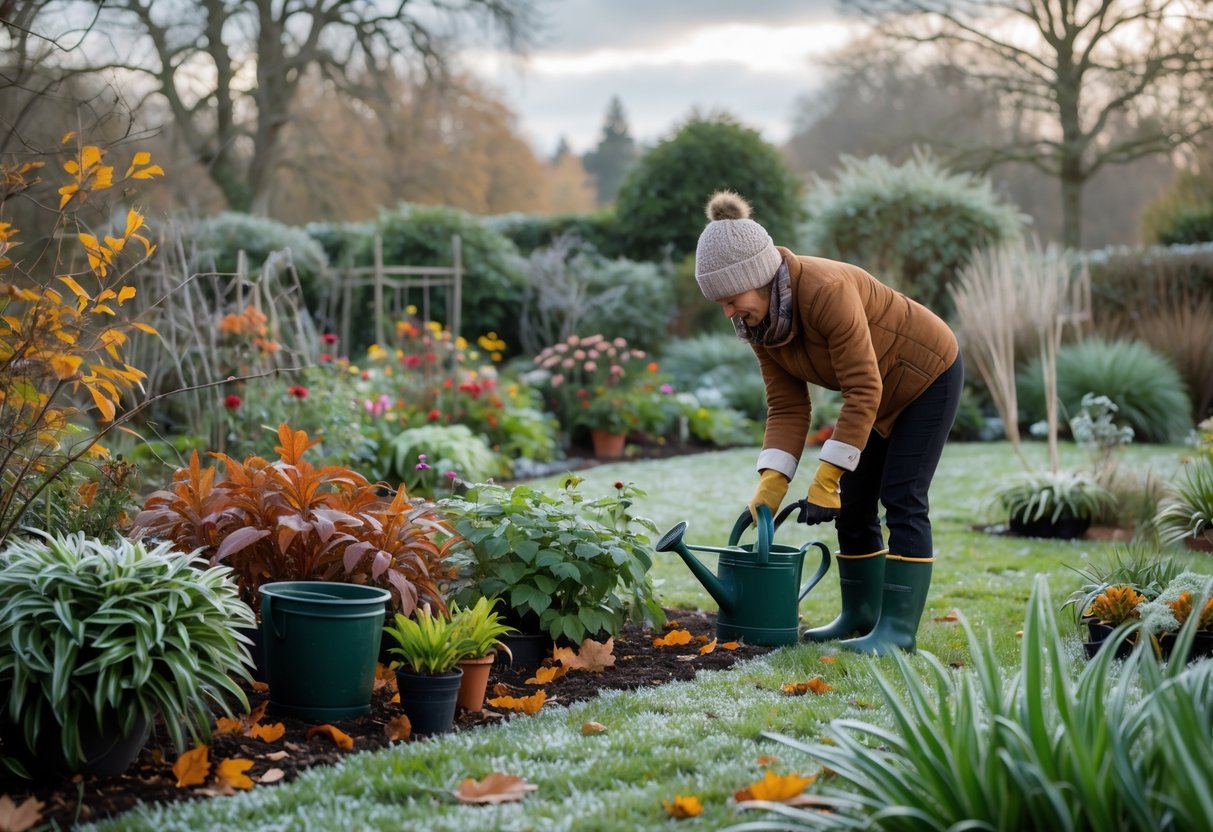
Knowing what to do right before the first snow helps protect your garden and makes your life easier once winter arrives. Taking a few simple actions now saves you from bigger problems later and sets the stage for a successful growing season next year.
Rake and remove fallen leaves to prevent mold and pests
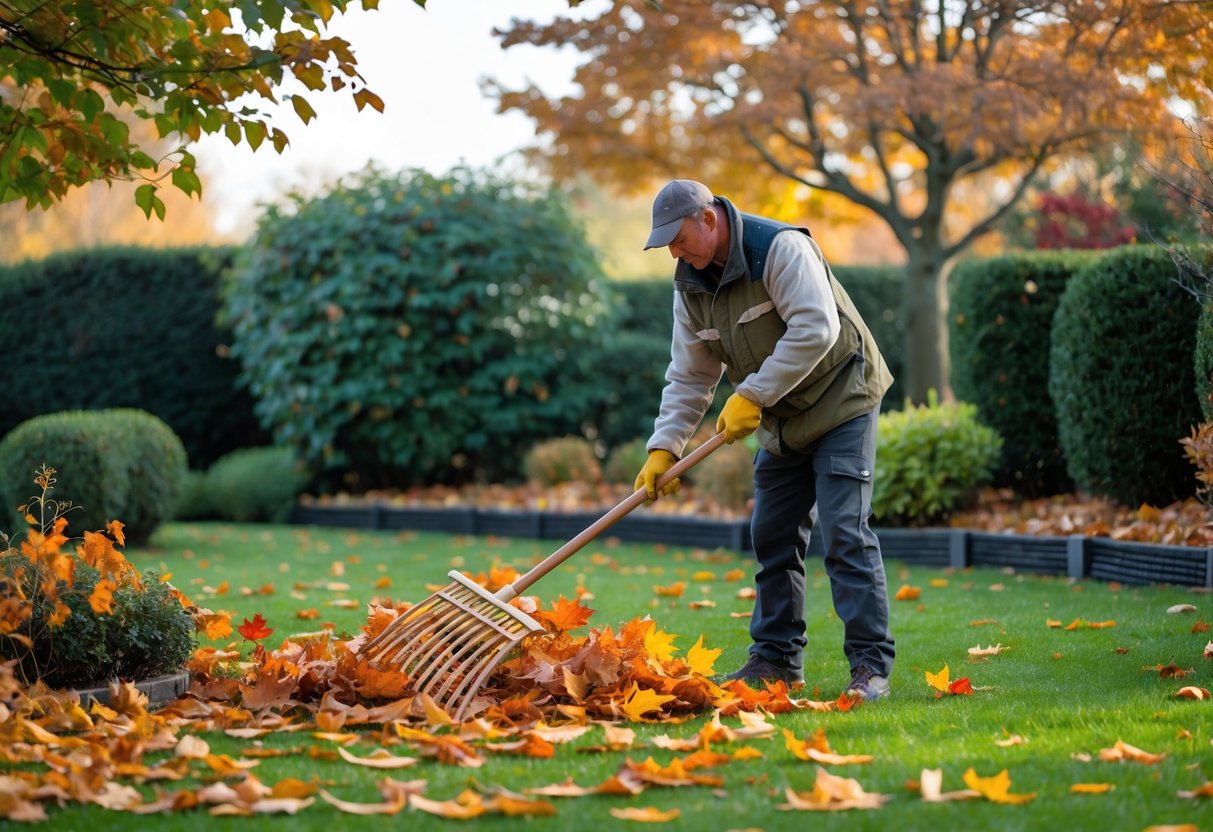
When leaves pile up too thick, they can trap moisture and create the perfect spot for mold to grow. This can harm your lawn and garden by encouraging fungal problems.
Thick layers of leaves also provide shelter for pests that might cause trouble in spring. By raking and removing excess leaves, you reduce these risks.
Try to clean up your leaves while they’re still dry and easy to handle. This makes the job faster and keeps your yard healthier through winter.
Add 2-4 inches of mulch around plants to protect roots
Right before the first snow, spreading 2 to 4 inches of mulch around your plants helps protect their roots from the cold. You want to keep this layer even but avoid piling it up against stems to prevent rot.
Mulch holds moisture in the soil and protects roots from freezing temperatures. It also helps prevent weeds from popping up during winter.
Make sure to clear weeds and water the soil before applying mulch. Refresh the layer if needed, as organic mulch breaks down over time.
Drain and store garden hoses and irrigation systems
Before the snow starts falling, disconnect your garden hoses from the spigot. Let any water inside the hose drain out by raising one end and relying on gravity.
If you use irrigation systems, find the drain valves and attach a hose to direct water away safely. This helps prevent freezing and cracking during cold months.
Store your hoses in a dry place, like a shed or garage. Avoid leaving them on the ground where cold can damage the material.
Taking these steps now will protect your hoses and save you time fixing problems in spring.
Trim dead or damaged branches from trees and shrubs
Before the first snow, take some time to trim any dead or damaged branches from your trees and shrubs. Removing these helps prevent broken branches under snow weight and reduces disease risks.
You can prune dead parts anytime, so there’s no need to wait. Cutting out damaged limbs makes your plants healthier and safer, especially during winter storms.
Focus on branches that are broken, diseased, or rubbing together. Avoid cutting large limbs that leave stubs, as these can cause further damage.
Cover delicate perennials with burlap or frost cloth
Before the first snow hits, wrap your delicate perennials in burlap or frost cloth. These materials protect plants from frost, wind, and freezing temperatures.
Burlap lets your plants breathe while shielding them from harsh weather. Frost cloth is lightweight and breathable, keeping cold air off without suffocating the plants.
Just drape the covering over your plants and secure the edges with rocks or stakes. Remember to remove the covers during sunny days to let your plants get fresh air and sunlight.
Plant garlic or spring-blooming bulbs now
If you want a head start on next spring, now is the time to plant garlic and spring-blooming bulbs. Garlic needs a cold period to develop bulbs, so planting it before the ground freezes is key. It also gives cloves time to root before winter.
Spring-blooming bulbs like tulips and daffodils do best when planted about six weeks before your soil freezes. This timing helps them establish roots for a healthy bloom. If you act now, you’ll be set for a colorful spring.
Leave a Reply