
As the weather cools down and days grow shorter, your garden starts signaling that it’s time to slow down. You might notice changes in your plants and soil that show the growing season is wrapping up. Paying attention to these signs helps you know when it’s the right moment to prepare your garden for winter.
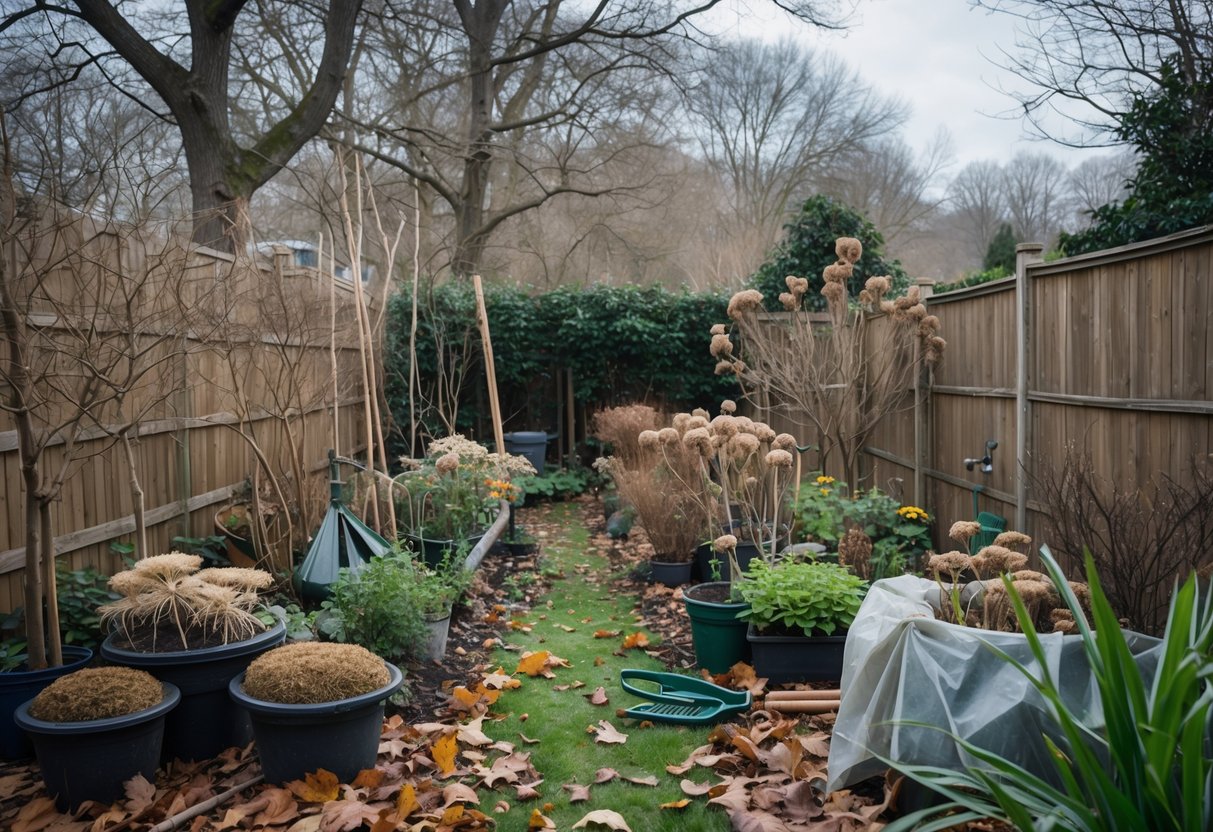
Knowing when your garden is ready to be put to bed helps you protect your plants and soil during the cold months, setting you up for a healthy start in spring. Understanding these signals means you can take the right steps at the right time without rushing or missing important tasks.
Leaves and stems of annual plants are brown and dry
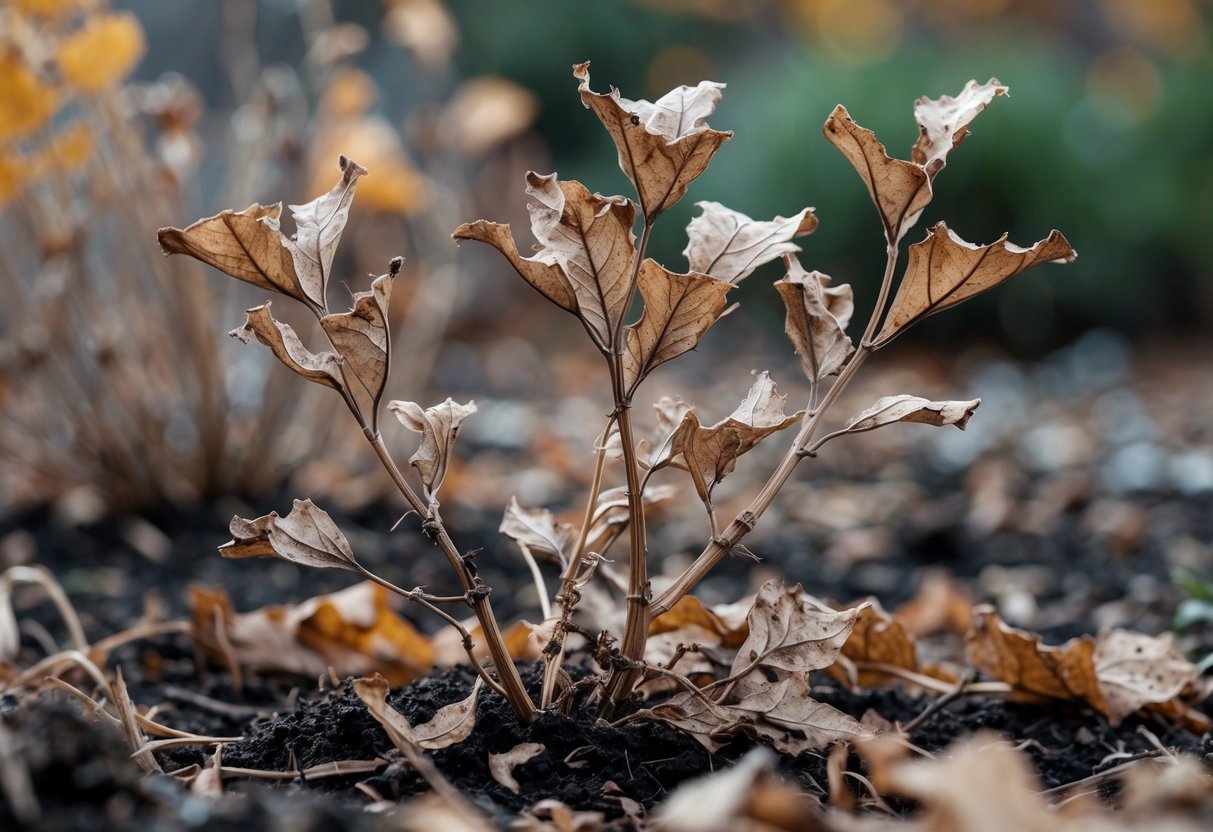
When you see the leaves and stems of your annual plants turning brown and dry, it’s a clear sign they’ve finished their growing season. This natural browning means your plants are no longer actively growing and are ready to be cleared away.
Don’t worry if the stems feel brittle or crispy. Annuals typically die off after one season, especially as temperatures drop. You can remove these plants to make space for next year’s garden.
No new growth on perennials or shrubs
If you notice your perennials or shrubs aren’t showing any new growth, that’s a solid sign your garden is winding down for winter. Many plants enter dormancy around this time, meaning they pause growth to conserve energy.
You might see stems looking dry or brown, but don’t panic just yet. Gently scratch the bark—if there’s still green underneath, your plants are alive and just resting.
Keep an eye on buds too. If they’re visible but not opening, your plants are preparing for colder months ahead, not dying.
Soil feels dry to the touch despite recent rain
If your soil still feels dry after a good rain, it’s a sign your garden might be heading toward dormancy. This can happen if the soil is compacted or has poor drainage, preventing water from soaking in properly.
You might notice the topsoil looks cracked or crumbly, even though you know the area got wet. This means the moisture isn’t reaching the deeper root zones your plants rely on.
Before winter, this dryness shows that your garden needs some attention. It’s a signal to improve soil health, maybe by adding organic matter or loosening compacted areas, to keep your plants ready for next season.
All fruits and vegetables have been harvested
You know it’s time to put your garden to bed when there’s nothing left to pick. All your fruits and vegetables should be gathered before the first hard frost hits.
Leaving produce in the garden too long can lead to spoilage or pests. Plus, cleared beds make it easier to prep for winter protection or spring planting.
If you still spot ripe or nearly ripe fruits, it’s a sign you should harvest them soon or snip them off to avoid wasting your efforts.
Mulch or compost has been added to garden beds
You’ve likely spread a layer of mulch or compost over your garden beds. This helps protect the soil from harsh winter weather. It also keeps weeds from popping up early next season.
If you used compost, it should look dark and crumbly, meaning it’s ready to nourish the soil. A good mulch layer is usually about 1 to 4 inches thick. This keeps moisture in and prevents soil from freezing and thawing too much.
Adding compost or mulch now gives your garden a head start for spring growth. Just be sure to remove any large weeds before applying it.
Leave a Reply