Planting fruit trees at the right time can make a big difference in how well they take root and grow. While many people think spring is the best season to plant, late fall actually offers some unique benefits for certain fruit trees.
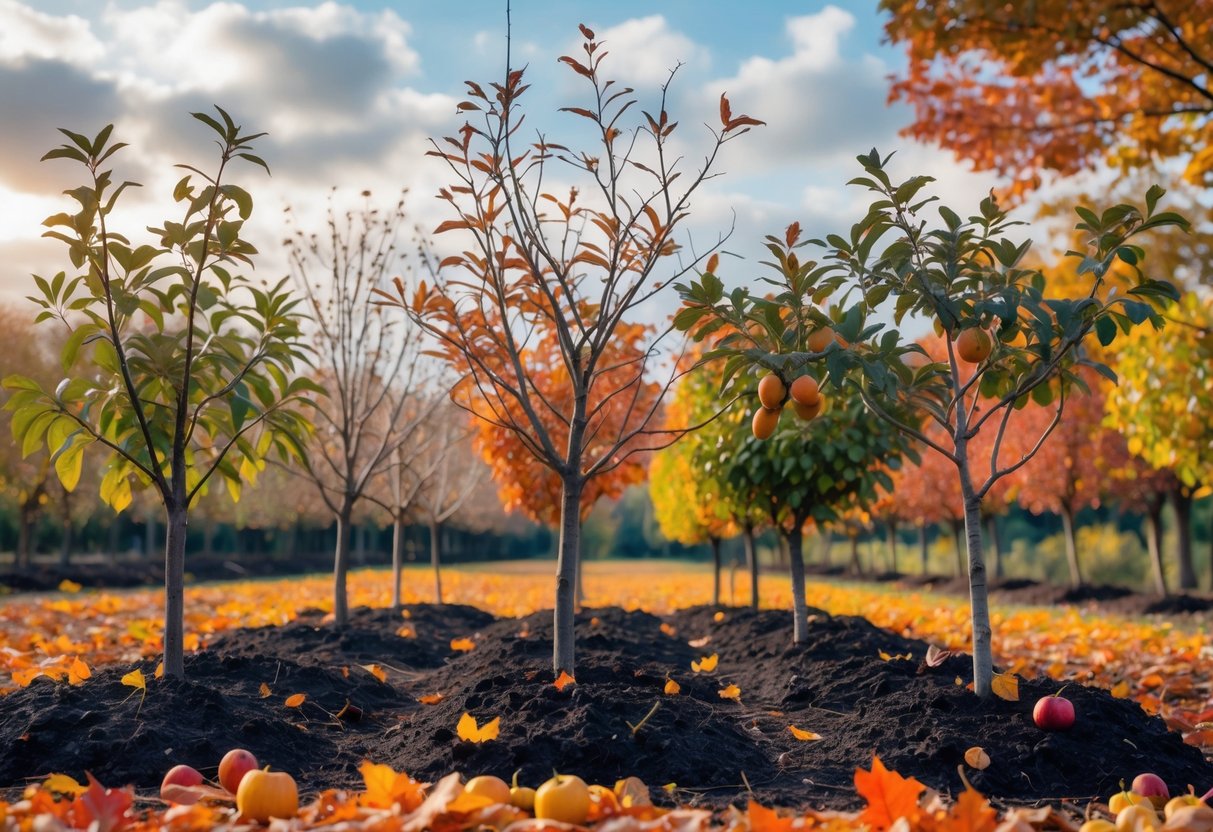
Some fruit trees prefer being planted in late fall because the cooler weather and moist soil help their roots establish more easily without the stress of heat. Knowing which trees do best at this time can give you a head start on a healthy, productive garden.
Apple trees
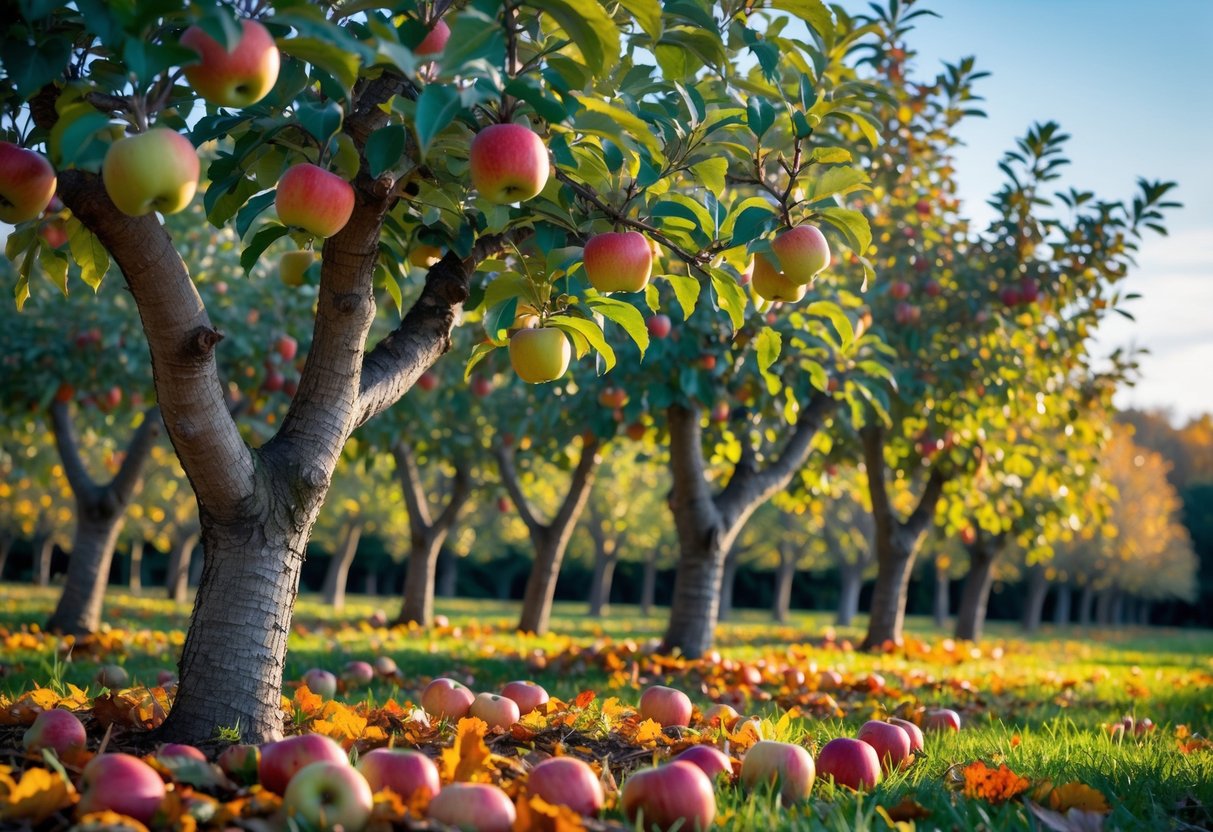
You’ll find fall is actually a great time to plant apple trees. The cooler weather helps reduce stress on young trees while they start to settle into the soil.
Planting in late fall, after the leaves drop but before the ground freezes, gives your tree time to develop a strong root system. This helps it be ready to grow when spring arrives.
In zones like USDA Zone 6, early fall is perfect because weeds slow down, so your apple tree faces less competition for water and nutrients. Plus, it avoids the heat stress of summer, making survival easier.
Pear trees
If you plant pear trees in late fall, they get a chance to develop strong roots before spring. The cooler soil and moist conditions help the roots grow without the stress of summer heat.
You’ll want to plant at least two different pear varieties to help with pollination. Some good companions are Bartlett, Hood, or Kieffer pears.
Also, certain pear trees work better in warmer areas because they need fewer chill hours. Choosing the right variety for your climate makes a big difference in how well your tree grows.
Peach trees
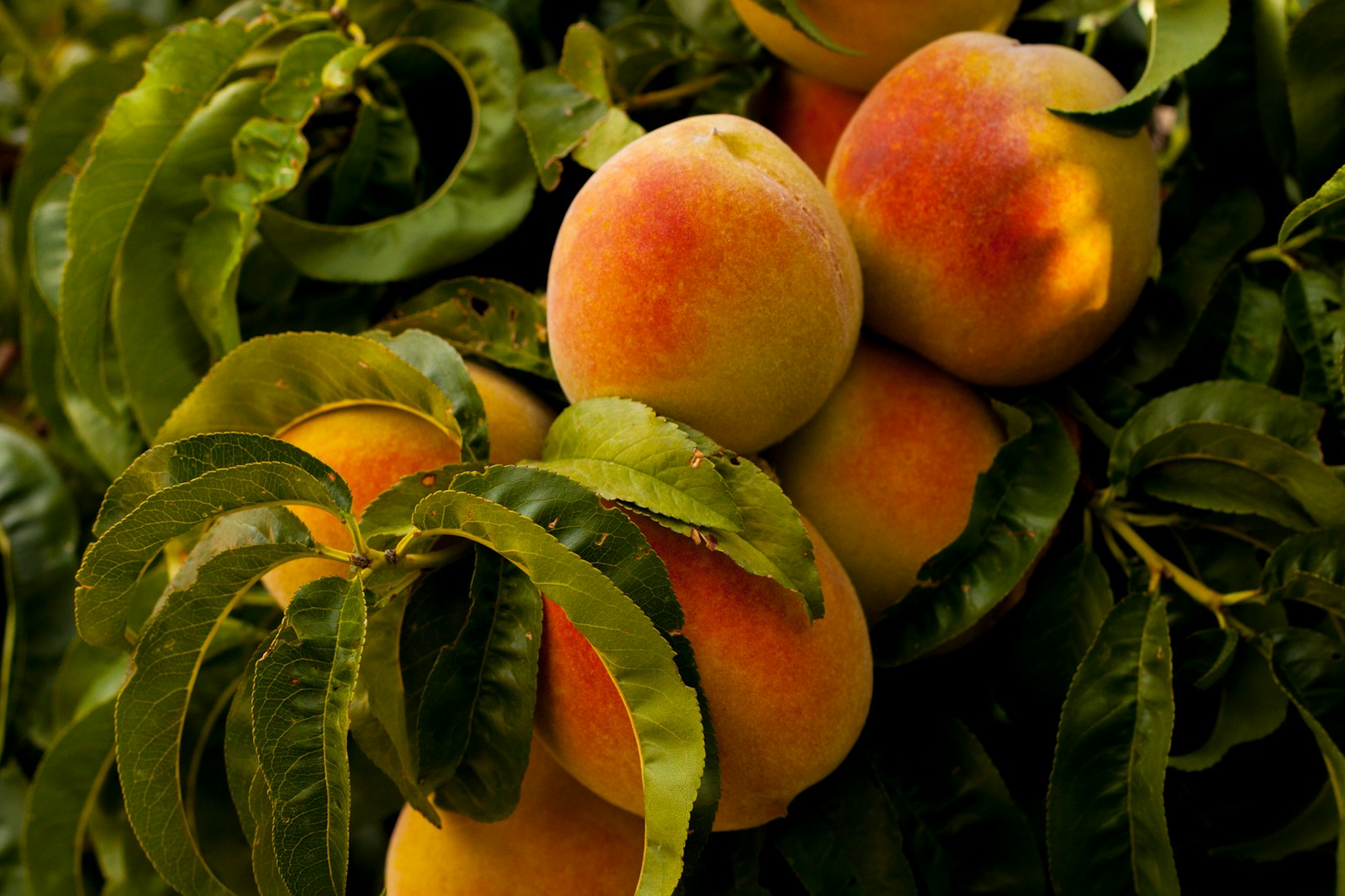
If you’re thinking about planting peach trees, late fall is actually a great time to do it. The cooler soil helps the roots settle in before winter, so when spring comes, your tree is ready to grow strong.
You’ll want to pick a spot with good drainage and plenty of sunlight. Peach trees can be a bit picky about pests like aphids and diseases like leaf curl, so keeping an eye on those is important.
Planting in fall gives your peach tree a head start on establishing a healthy root system without the stress of summer heat.
Cherry trees
Cherry trees do well when planted in late fall. The cooler weather helps them focus on root growth without the stress of summer heat.
You’ll want to pick a sunny spot with good air circulation and well-drained soil. Planting when the ground is soft and moist gives the tree a better start.
Once your cherry tree starts fruiting, you might need to protect the cherries from birds with some wildlife-safe netting. With proper care, you can expect a fairly quick harvest compared to some other fruit trees.
Persimmon trees
If you’re thinking about planting persimmon trees, late fall is a solid choice. American persimmons do well when planted during their dormancy in winter or late fall before the ground freezes.
These trees like full sun and well-drained soil with a pH between 6.0 and 7.0. They’re pretty hardy and can handle different climates, so you don’t need a fancy setup to get started.
Just make sure to plant at least six weeks before the first hard frost to give the tree time to settle in before winter hits. Your persimmon tree will reward you with beautiful fall fruit and attractive foliage.
Olive trees
Olive trees are great candidates for late fall planting. When you plant them in autumn, their roots get time to grow before spring, making the tree stronger and more drought-resistant.
These trees thrive in mild, dry winter climates with well-draining soil. You don’t need another olive tree nearby since they are self-fertile, which makes them easier to care for.
Keep in mind, olive trees usually start fruiting between their third and fifth year. They flower in late spring and bear fruit from late summer to fall, depending on where you live.
Leave a Reply