A wellness check is usually the quiet kind of call. Someone hasn’t been seen in a while, the mail’s piling up, or a relative just has a bad feeling and wants an officer to knock on the door. But police in a mid-sized neighborhood on the edge of town say one recent check turned into something far bigger than anyone expected—and it raised an awkward question: how did so many people notice the signs, and still move on with their day?
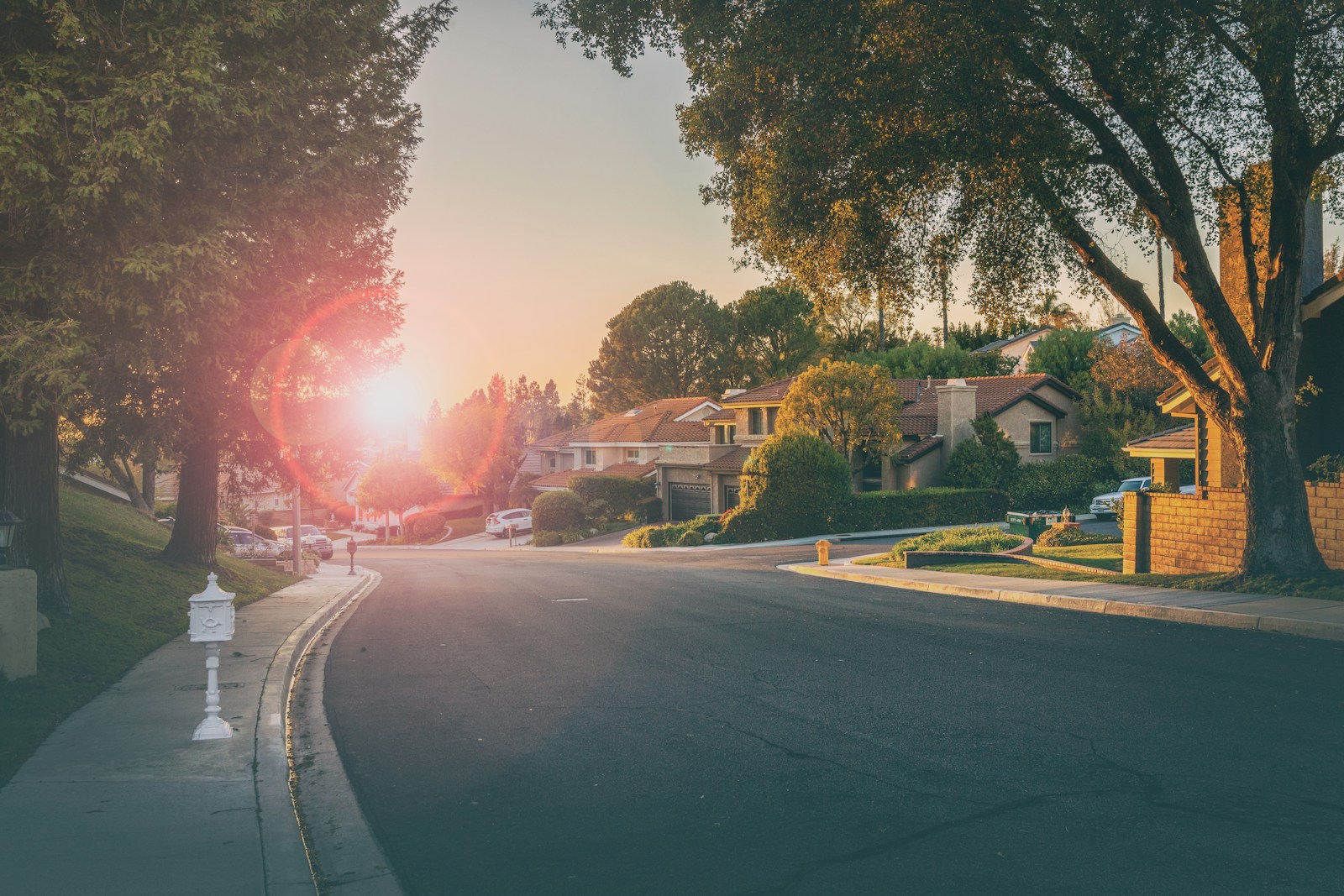
According to authorities, officers were dispatched after a concerned family member reported they hadn’t been able to reach an elderly resident for weeks. Neighbors had apparently mentioned “the usual” changes—closed curtains, a porch light that stayed on day and night, and an overflowing mailbox—but no one had called it in. That’s the part officials keep coming back to: the clues were there, and they weren’t exactly subtle.
The call that started it
Police say the request came in late morning, the kind of time when most people are working, walking dogs, or trying to remember if they already drank coffee. A relative told dispatch they’d tried calling, texting, and even sending a neighbor to check, but still couldn’t confirm the resident was okay. With no response and a growing sense of urgency, they asked for a formal wellness check.
Officers arrived expecting a routine “knock and wait” situation, officials said. Instead, they found the home noticeably quiet, with no movement inside and no indication anyone had been out recently. One officer reportedly noted a strong, unusual odor near the entryway—one of those details that instantly flips the feeling from “probably fine” to “something’s not right.”
What officers found when they got inside
Police said they attempted to make contact several times, knocking and announcing themselves. With no response and signs suggesting a possible medical emergency, they made entry, following department protocol. Inside, they discovered conditions that investigators described as “serious” and “long-developing,” prompting immediate follow-up by detectives and local support services.
Authorities have not publicly released every detail, citing an ongoing investigation and privacy concerns. They did confirm that the wellness check uncovered evidence of a situation that had likely been unfolding for months, not days. The resident was located inside the home, and officials said medical personnel were involved; the person’s current condition has not been disclosed.
The signs neighbors noticed—and didn’t act on
In interviews conducted outside the home, several neighbors described a pattern that, in hindsight, sounds like a checklist. A trash bin that never made it to the curb. Packages left on the step until they disappeared. Lights that stayed on at odd hours, then went dark for long stretches.
One neighbor said they assumed the resident had gone to stay with family. Another admitted they’d wondered about the smell, but chalked it up to “old plumbing” or “some animal outside.” A third put it bluntly: “I didn’t want to be nosy.” It’s relatable, honestly—most people don’t want to be the person who overreacts—but police say that hesitation can be exactly what lets a problem grow.
Why people look away (even when they care)
Experts often call it the bystander effect, but you don’t need a psychology textbook to recognize it. If a street seems calm, you assume someone else would’ve called if it were serious. And if you barely know the person behind the door, it can feel strangely intimate to ask, “Hey, are you alive in there?”
There’s also the modern habit of giving people space, which is usually a good thing. We’re all trained to respect privacy, mind our business, and not speculate about someone’s personal life. The problem is that “minding our business” can accidentally become “ignoring a slow-moving emergency,” especially when the person is older, lives alone, or has limited support.
What police want the public to remember
Officers stressed that calling for a wellness check isn’t about being dramatic or intrusive. It’s a safety tool, and it exists for exactly these in-between moments—when something seems off, but you can’t prove it. Police departments would rather respond to a false alarm than arrive too late to something preventable, officials said.
They also emphasized that you don’t have to be certain. You just have to be concerned and able to explain why: you haven’t seen a neighbor who’s usually outside, their car hasn’t moved, their mail is piling up, or you hear alarms going off without anyone answering. Those details help dispatchers decide the right response and keep the situation from turning into guesswork.
How wellness checks typically work
A wellness check usually starts with an officer trying to make contact—knocking, calling out, and sometimes speaking with neighbors or property staff. If there’s reason to believe someone inside may be in danger, police may request medical assistance or take additional steps to enter, depending on local laws and department policy. The goal is simple: confirm the person is safe or get help to them quickly.
In many areas, you can request a wellness check through a non-emergency number, unless you believe there’s immediate danger. Dispatchers will ask for the address, the person’s name if you know it, and what’s raising concern. It can feel like “making a thing of it,” but it’s often the quickest way to replace uncertainty with information.
The neighborhood reaction: relief, guilt, and a lot of questions
By afternoon, the street had that quiet buzz it gets when something unusual happens but no one wants to stare. A few residents stood in small clusters, speaking in low voices and sharing the same looping question: “How long had it been like this?” Some sounded relieved that someone finally checked. Others sounded shaken that they hadn’t.
One neighbor described feeling “weirdly embarrassed,” like the community had missed a basic human responsibility. Another said they’d noticed the mailbox but told themselves, “It’s not my place.” Police, for their part, weren’t pointing fingers at individuals as much as highlighting a pattern—and urging people to trust their instincts next time.
Small steps that can prevent a big crisis
You don’t have to become the neighborhood watchdog to be helpful. If you notice a change—especially for someone who lives alone—start small: knock on the door, leave a note, or check in through a building manager or mutual friend. If you’re still uneasy, call the non-emergency line and ask what options are available.
And if you’re worried about being “that neighbor,” remember this: it’s usually easier to laugh off a mistaken concern than it is to undo months of silence. People who need help rarely announce it with perfect timing. Sometimes the most caring thing you can do is make the call that feels a little awkward.
Police said the investigation remains active, and additional information may be released as officials confirm details and notify involved parties. For now, they hope the story serves as a nudge—gentle but firm—that ignoring small warning signs doesn’t make them go away. It just delays the moment someone finally knocks on the door.
More from Willow and Hearth:
Leave a Reply