A daycare’s “quiet room” has become the center of a heated debate after a parent said her preschooler came home describing what sounded less like a calming corner and more like a place kids were sent when they didn’t “listen.” The mom’s account, shared in a local parenting group and later reposted widely, has prompted a wave of questions from other families: What exactly is a quiet room, who decides when a child goes in, and is it ever locked?
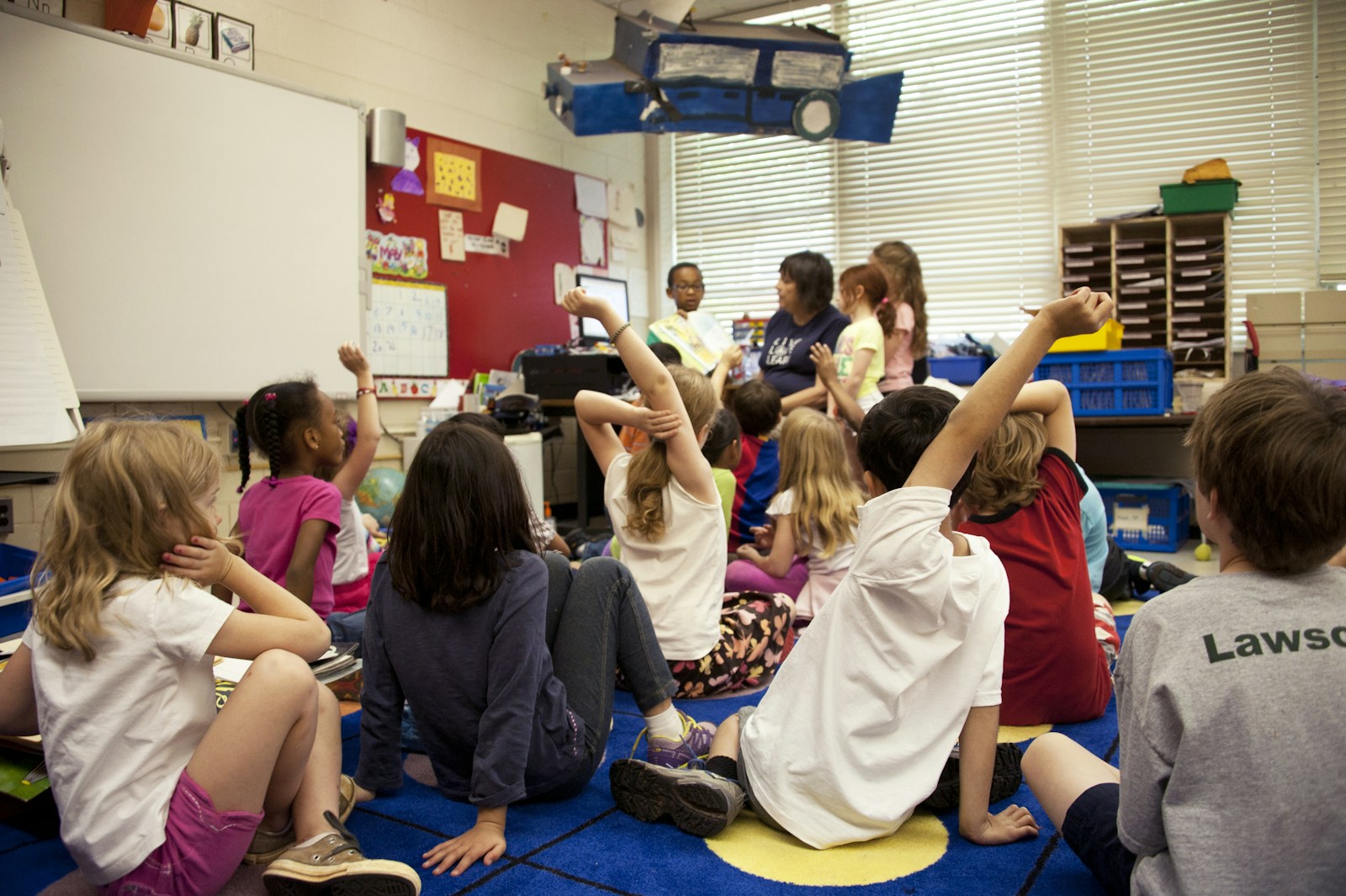
The daycare hasn’t been publicly identified in the original post, but the story has still struck a nerve because it’s so relatable. Most parents know the difference between a child needing a breather and a child being isolated. And when you’re talking about three- and four-year-olds, that line matters a lot.
What the parent says her child told her
According to the parent’s post, her child mentioned being taken to a “quiet room” when they were upset and told they had to stay there until they calmed down. The parent said her child described the room as small and separate from the main classroom, and said a teacher would close the door while they were inside.
The mom wrote that what bothered her most wasn’t the idea of calming down—it was the sense that her child felt “sent away” and alone. She said her child seemed nervous recounting it and asked not to “get in trouble” for talking about it. That detail, she added, was what made her start calling for clarity from the center.
Why this hits a nerve for so many families
Plenty of classrooms use calm-down spaces: soft lighting, sensory tools, books, maybe a little tent. Done well, it’s a supportive break that helps kids regulate without shame. Done poorly, it can feel like punishment disguised as “self-regulation,” and kids pick up on that fast.
Parents reading the post weren’t just reacting to one room. They were reacting to uncertainty—whether staff were supervising, whether the door was closed or locked, and whether children were being isolated as a behavior management tactic. When details are fuzzy, imaginations fill in the gaps, and the worst-case scenario spreads quickly online.
What the daycare says the policy is for
In responses shared by parents in the same community group, the daycare reportedly described the quiet room as a designated “calm space” for children who are overstimulated. Staff said it’s meant to be used briefly and with supervision, not as a punishment. Some parents said they were told the room is never locked, and that educators check in frequently.
Still, the blowback suggests the messaging hasn’t landed. Several families said they didn’t remember seeing the quiet room policy clearly spelled out during enrollment, and others said they’d assumed any calm-down area would be inside the classroom, visible to teachers and other children. When a space is separate and behind a door, people understandably want more than a verbal reassurance.
Calm-down space or isolation? The key difference is supervision and consent
Early childhood experts often emphasize that the goal is co-regulation, not “go be calm by yourself.” Little kids usually learn to regulate by borrowing an adult’s calm—someone narrating feelings, offering choices, staying nearby. A calm-down area can support that, but it doesn’t replace it.
The big red flags for parents are isolation, fear, and ambiguity. If a child believes they’re being banished, or worries they’ll be “in trouble,” it’s a sign the approach might be punitive even if it’s labeled therapeutic. And if a parent can’t get clear answers about how long, how often, and under what supervision, trust erodes fast.
What regulations typically look at (and what parents are asking)
Rules vary by state and country, but many childcare licensing standards draw a hard line around seclusion, locked rooms, and unsupervised isolation. Even when “time-out” is permitted, it’s usually limited by age, duration, and adult oversight. Some jurisdictions also require that any behavior guidance policy be shared in writing and acknowledged by families.
In the wake of this story, parents in the community have been asking practical questions: Is the room monitored? Is there a window? Is the door ever held shut? What’s the maximum time a child can be there? And perhaps most importantly, what paperwork exists—incident reports, behavior logs, or parent notifications—when a child is placed in the room?
Other parents share their own “quiet room” experiences
As the post circulated, other parents chimed in with a mix of reassurance and alarm. Some described thoughtful calm corners where teachers sit with kids, offering breathing exercises and sensory tools. Others said they’d seen quiet rooms used more like a penalty box, where kids were removed from play until they “behaved.”
That range is exactly why the term “quiet room” can be confusing. It sounds soothing, like a tiny spa for toddlers, but it can also mask practices that parents wouldn’t agree to if described plainly. The internet may not always be subtle, but it’s very good at sniffing out euphemisms.
What families can do if they’re concerned
If you’re a parent reading this and feeling that little stomach drop, the first step is simple: ask for the behavior guidance policy in writing. Look for specifics—who supervises, where the space is located, what triggers its use, and how long it lasts. Vague language like “as needed” is where misunderstandings grow legs.
It also helps to request a walkthrough, ideally during a normal day when you can see how staff actually use the space. Ask whether the room has a window, whether the door stays open, and what alternatives are offered. A good center won’t treat questions like an accusation; they’ll treat them like part of partnering with families.
If answers don’t add up—or if a child reports something that sounds scary—parents can document what they’re hearing, request a meeting, and ask how incidents are recorded. Depending on local rules, families may also contact the childcare licensing agency to ask what’s permitted and how to file a concern. That’s not “being dramatic”; it’s using the oversight systems that exist for a reason.
What’s happening next
In the community where the post originated, parents say they’re pushing for clearer communication and, in some cases, changes to the physical setup—like keeping the calm space within the classroom or ensuring doors remain open. Some families have also asked for staff training refreshers on co-regulation, trauma-informed care, and developmentally appropriate behavior support.
The broader conversation isn’t going away anytime soon. Parents want kids to learn how to handle big feelings, and teachers need workable tools in busy classrooms. But when the tool looks like isolation, even for a minute, families are going to ask hard questions—and they probably should.
More from Willow and Hearth:
Leave a Reply