It started as one of those low-stakes restaurant nights: a little hunger, a little chatter, and the hopeful promise of warm bread. But for one diner, the evening took a sharp turn into awkward territory when a nearby family decided her chair wasn’t just a chair—it was open storage they could reorganize.
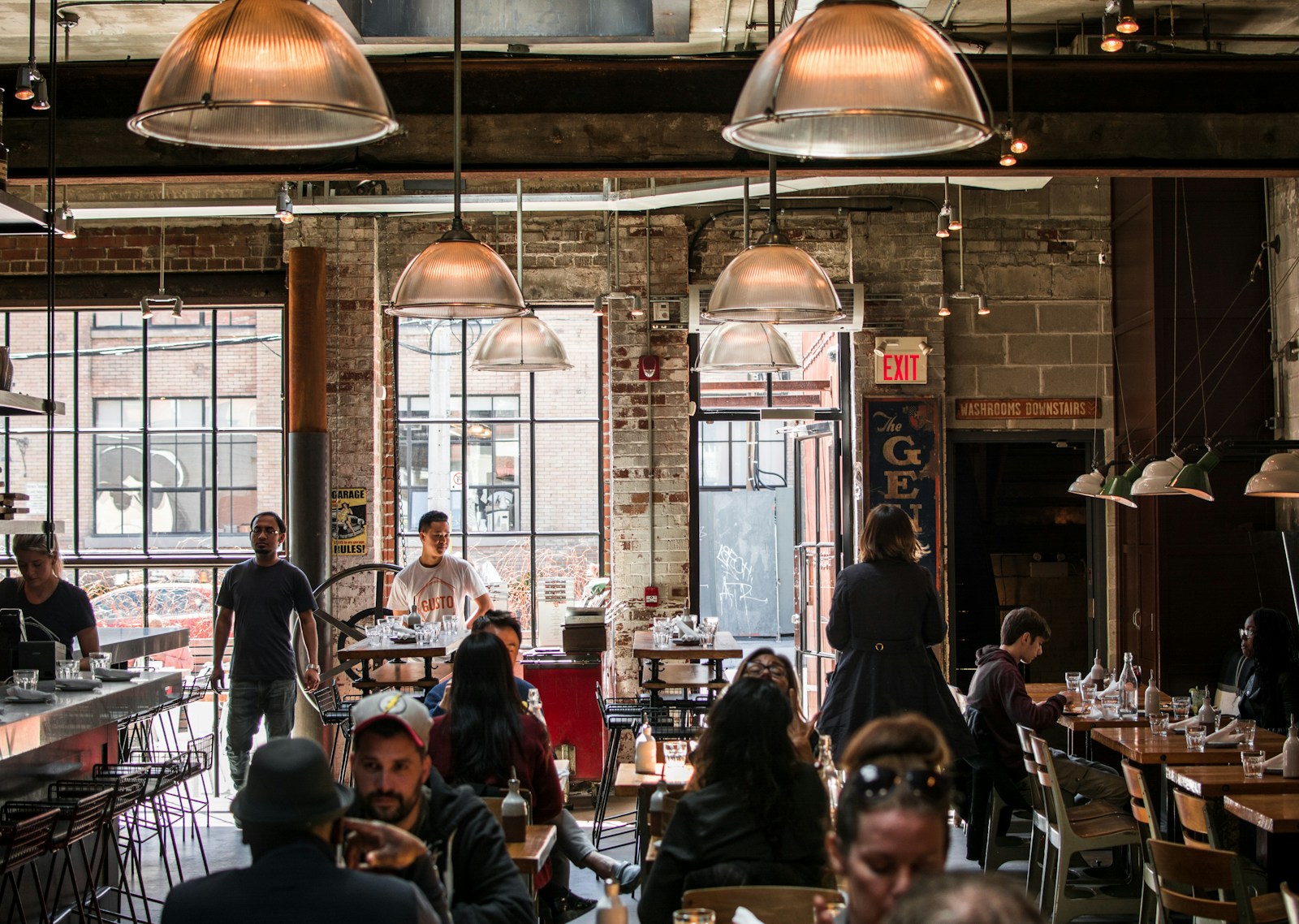
According to the diner, she’d placed her purse on the empty chair next to her while waiting for her food. A family seated close by wanted more space, and instead of asking, they picked up her purse and moved it so one of them could slide in. When she reacted, they reportedly told her, with confidence, that tables are “for food only.”
A chair, a purse, and a sudden shift in boundaries
Most people have a default routine when they sit down to eat: phone in pocket, coat draped on the chair, bag tucked close. Restaurants are tight, and everyone’s trying to make their little square of space work. But there’s a pretty universal expectation baked into all of that: you don’t touch someone else’s stuff.
That’s what made this moment feel so jarring. The purse wasn’t in the aisle, wasn’t blocking a server, and wasn’t perched on the table next to a basket of fries. It was on a chair at the diner’s own table—close enough that moving it required reaching into someone else’s orbit.
The family’s reasoning: “Tables are for food only”
The line that stuck, and quickly became the story’s headline, was the family’s explanation. “Tables are for food only,” they said, as if they were delivering a restaurant policy straight from the manager’s handbook. It’s the kind of statement that sounds official until you think about it for two seconds.
For one thing, the purse wasn’t on the table. For another, tables in real life are used for everything: a phone while you check the menu, a set of keys, a pair of sunglasses, a kid’s crayons, the check presenter, the little receipt you swear you’ll keep for expenses and then lose by tomorrow.
What most restaurant etiquette actually looks like
If there’s a social rule most diners agree on, it’s this: ask first. Need to squeeze by? Ask. Want to borrow a chair? Ask. Think someone’s bag might be in a walkway? A quick “Hey, would you mind moving that?” goes a long way.
Restaurants themselves often have preferences, too, but they usually involve safety and flow. Staff may ask guests to keep bags off the floor if they’re tripping hazards, or off chairs if the dining room is packed and every seat is needed. The key difference is that it’s staff making the request—not another customer taking matters into their own hands.
Why touching someone’s purse hits a nerve
A purse isn’t just an accessory; it’s basically a portable home base. Wallet, ID, credit cards, medication, keys, maybe a work badge, maybe a lipstick that’s seen too much—there’s a lot in there that feels personal. Even if nothing was taken and no harm was intended, having someone pick it up can trigger that instant, stomach-drop feeling.
It’s also a safety issue, not just a manners one. People are taught to keep bags close precisely because they can be snatched, swapped, or rifled through in a split second. So when a stranger moves a purse, the owner’s brain doesn’t think, “How helpful.” It thinks, “Wait—what just happened?”
How the situation can escalate (and why it’s so common)
These tiny conflicts tend to escalate because everyone thinks they’re being reasonable. The family likely felt cramped and decided the easiest fix was to rearrange what they saw as “extra” space. The diner felt blindsided, because her personal property was treated like a misplaced salt shaker.
Add the natural stress of crowded dining rooms—kids squirming, servers rushing, chairs scraping, conversations overlapping—and you’ve got the perfect recipe for a small moment turning into a big one. Nobody comes into a restaurant expecting to negotiate personal boundaries, but it happens more than people admit.
What you can do if someone moves your belongings
In the moment, the best approach is usually calm and direct. Something as simple as, “Please don’t touch my purse—ask me first,” sets a clear boundary without instantly turning the table into a debate stage. If you want to keep it practical, you can add, “I’ll move it if it’s in the way.”
If the other party argues or keeps doing it, that’s where staff can help. A server or manager can reset the situation quickly: they can find a spare chair, adjust seating, or confirm where bags can go. It also shifts the dynamic from “customer vs. customer” to “restaurant managing the room,” which tends to cool things down.
Where should your bag go, anyway?
There’s no one perfect answer, because restaurants vary. Some have purse hooks under the table, some have roomy booths, and some have exactly zero spare space anywhere. But a few options are pretty standard: keep it in your lap, place it behind your back in a booth, hang it on a chair back (if it won’t get bumped), or tuck it against your leg where you can feel it.
Putting a bag on an empty chair at your table is common, especially when you’re dining with one other person and the seat isn’t needed. If the restaurant is busy and chairs are in high demand, though, it’s worth being flexible before it becomes an issue. The goal is simple: keep your things secure while not accidentally “claiming” seating the restaurant might need to use.
The bigger takeaway: a little asking goes a long way
What made this story travel wasn’t just the purse—it was the confidence of moving it and then scolding the owner afterward. It’s a small example of a big social truth: people will forgive cramped spaces and minor inconveniences, but they don’t love being treated like they’re in the wrong for protecting their own stuff.
If the family had asked, there’s a decent chance the diner would’ve moved the purse herself and everyone would’ve gone back to their menus. Instead, one impulsive grab turned dinner into a boundary lesson. And honestly, if restaurants served “please don’t touch my things” as a side dish, they’d never run out.
More from Willow and Hearth:
Leave a Reply