You spot a short clip: a woman sits for a mani-pedi and the salon hands her a towel that suggests judgment about her shorts. The tiny moment blew up online, raising questions about salon hygiene rules, staff behavior, and how customers should be treated.
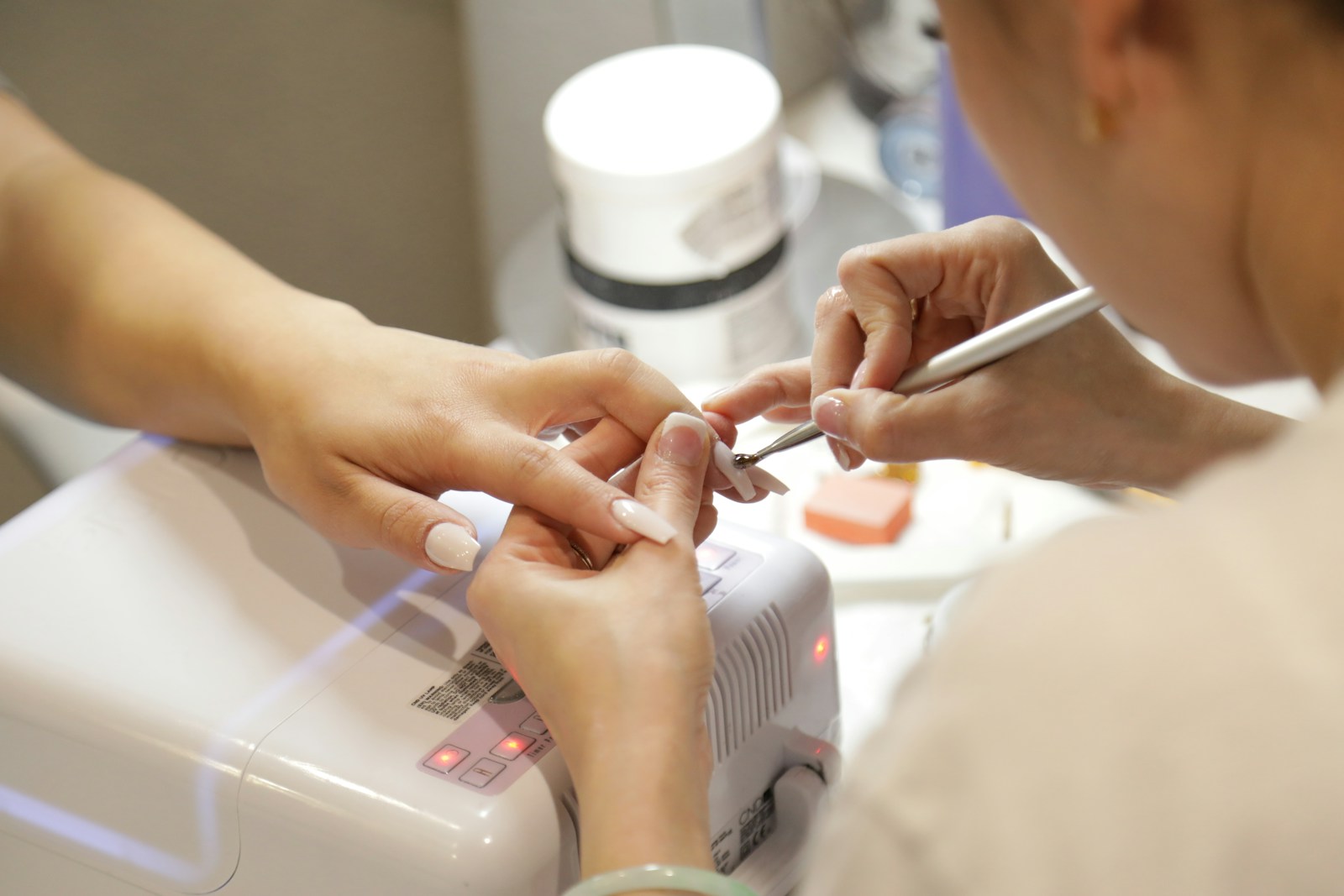
The debate comes down to whether the towel was a reasonable hygiene measure or an unnecessary bit of shaming — and this piece breaks down what happened, why people reacted, and what it reveals about customer service at salons.
Expect a close look at the clip, what salon policies might justify, and the broader reactions that turned this small interaction into a larger conversation.
Why the ‘Towel of Shame’ at a Nail Salon Sparked Controversy
The incident centered on a towel handed to a customer that some interpreted as judgmental. People debated cleanliness rules, staff behavior, and whether the salon singled out the woman because of her shorts.
How the Incident Happened
A woman arrived at a nail salon wearing shorts and sat for a manicure. Staff placed a long white towel over her legs; the customer and later viewers called it a “towel of shame” because they felt it implied criticism of her clothing choice.
Video clips show the towel draped conspicuously rather than tucked or used functionally, which contributed to perceptions that it was a message rather than a routine covering.
Salon policies on hygiene vary, and some salons provide towels to protect chairs or to keep foot baths sanitary. The physical placement and framing in the clip made the towel’s purpose unclear to viewers.
The Woman’s Reaction and Video
She recorded a short video while still in the salon, pointing the camera at the towel and adding a text overlay calling it the “towel of shame.”
Her tone mixed surprise and amusement; she did not appear visibly upset but highlighted the perceived judgment to her followers. The clip emphasized how quickly a small action can escalate online when framed as shaming.
After posting, she responded to comments and reposts, clarifying details for some viewers and leaving others to interpret the moment as emblematic of broader treatment of casual dress in personal-care settings.
Salon Staff’s Role and Perspective
Salon workers handled the towel and likely intended to follow a standard practice—either for client modesty, chair protection, or hygiene. Staff actions in the video show routine movement rather than an explicit confrontation.
Employees sometimes adopt quick visual cues to manage many clients; what looks pointed in a short clip can be standard workflow in context. The salon did not publicly announce a policy in the clip, so motivations remain uncertain.
When staff were filmed, some viewers cautioned against assuming malice because a brief video omits back-and-forth, verbal explanations, or the salon’s typical procedures.
Social Media’s Immediate Response
Reaction on platforms split quickly: some viewers criticized the salon for shaming, while others defended the staff, calling it standard practice.
Comments and shares amplified the moment; memes and hot takes emerged within hours, turning a local interaction into a wider debate about customer treatment.
Discussion threads also raised broader questions about workplace communication and how businesses train employees to handle appearance-related choices. The virality highlighted how small in-person gestures can spark national conversations once posted online.
Relevant coverage of the episode appears in reporting on the incident and its spread, such as this account of the “towel of shame” interaction.
Public Reactions and Deeper Issues
Reactions focused on whether the towel was a reasonable hygiene reminder or an embarrassing public reprimand, and commenters used the incident to discuss salon practices, customer dignity, and broader workplace norms.
Online Opinions and Memes
Many commenters defended the salon, arguing a towel can prevent paint or polish from staining clothing. Others slammed the gesture as passive-aggressive and humiliating, saying it crossed a line between cleanliness and public shaming.
Social feeds filled with memes that framed the towel as a symbol of petty judgment; humor amplified both criticism and support. Memes often referenced everyday salon rules, which kept the conversation light while spreading the story faster.
Debates About Hygiene vs. Shaming
Supporters emphasized rotatable reasons: towels protect clients’ clothes and reduce cleanup time for staff. They pointed to practical salon policies like capes and disposable liners that serve the same purpose.
Critics countered that staff could offer a towel privately or explain the rule politely, instead of presenting it in a way that implied moral judgment about attire. The dispute highlighted how communication style shapes whether a safety or hygiene action is perceived as caring or shaming.
Beauty Industry Takeaways
Salon owners watching the thread noted the reputational risk of small gestures and the need for clear, written policies about client care. Training staff on wording and offering choices—cape, towel, or sleeve cover—reduces misunderstandings.
Some professionals suggested signage with neutral language explaining measures to protect clothing and hygiene. That approach documents standards without singling out individuals, helping salons balance cleanliness with customer respect.
For busy shops, implementing standard protocols and phrasing scripts for staff can prevent similar incidents and calm social-media fallout.
More from Willow and Hearth:
Leave a Reply