You spot the video and feel the shock immediately: two women squeezed onto one barstool while three men lounged on the other seats for over an hour. This isn’t just awkward — it raises a clear question about basic courtesy and who gets space in public places.
The post will break down what happened, why people are arguing about chivalry and entitlement, and how the incident fits into wider conversations about gender and etiquette in everyday life. Follow the timeline and the social reactions to decide where you stand on what should be considered common decency.
Incident Overview: Women Forced to Share a Single Bar Seat
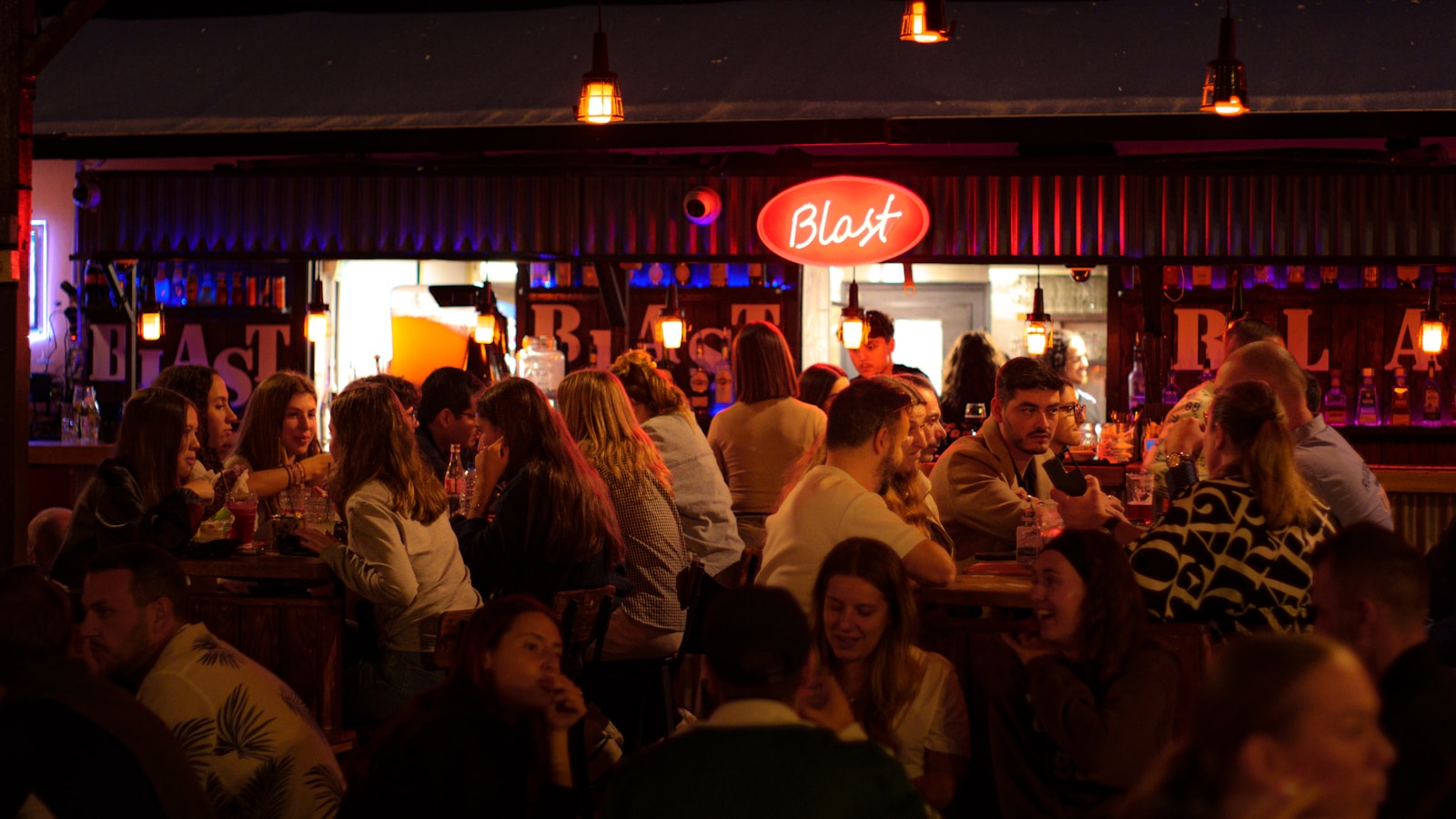
Two women at a crowded bar ended up squeezing onto one barstool while three men nearby sat on three separate chairs for over an hour. The moment, captured and shared online, sparked debate about courtesy, space hogging, and how venues manage seating during busy nights.
What Happened at the Crowded Bar
A short video shows two women arriving at the bar and finding most seats taken. Three men occupied three adjacent chairs and did not offer or move seats despite staff and other patrons being present. The women improvised, sharing a single barstool so they could order and stay together.
Staff did not immediately intervene to re-seat the group, according to the clip and comments from the women. No physical altercation appears in the footage, but some viewers noted the situation left the women vulnerable in a crowded space and raised questions about personal safety and comfort.
Public Reactions to the Seating Situation
Reaction split between viewers who called the men inconsiderate and those who argued patrons can sit where they like. Many commenters framed the episode as a symptom of declining public courtesy, while others stressed the bar’s responsibility to manage seating fairly.
Some responses invoked concerns beyond etiquette, noting that forcing women into cramped seating can feel unsafe — a point tied to broader discussions about women’s safety in public venues. A few commenters also compared the moment to historical or policy-based exclusions of women from certain bar spaces.
Social Media Response and Viral Debate
The clip circulated widely on social platforms, gaining comments, shares, and short debates about gendered expectations of space. TikTok and other feeds amplified personal takes, memes, and calls for bars to adopt clearer seating policies during busy nights.
The conversation expanded into threads on venue etiquette, with users linking similar incidents and asking whether staff should proactively manage seating. Some suggested practical fixes — reserved stools, clearer signage, or staff prompts — while others debated whether social pressure or formal policy would better prevent future incidents.
Society, Gender, and Etiquette: Unpacking the Conversation
The incident raises sharp questions about who is expected to make space, how bystanders respond, and how social rules get enforced. It illuminates power, safety, and the informal codes that shape behavior in everyday public settings.
Bar Etiquette and Social Responsibility
Bar staff set and enforce seating policy, but patrons share responsibility for courteous behavior. When three men occupied multiple chairs for over an hour while a woman sat squeezed at the end, the imbalance reflected both physical space management and social expectations about claiming territory in crowded venues.
Establishments can limit long-term occupancy with clear signage, time limits, and staff checks. Patrons can practice simple interventions: offer a seat swap, ask staff to mediate, or invite people to consolidate their space. Those actions respect dignity and reduce confrontations.
Practical steps reduce ambiguity: visible time policies, routine staff patrols, and cues (coasters, “reserved” signs) help enforce norms without singling out individuals. This shifts responsibility from the person inconvenienced to collective venue practices.
Gender Dynamics in Public Spaces
Gendered expectations shape who yields space and who is policed for their behavior. Women commonly report being taught to avoid conflict, be accommodating, and minimize their presence—patterns that surface in seating disputes and personal-space encroachments.
When men occupy multiple seats, observers may read the scene through unequal power dynamics: men feel entitled to claim space; women feel compelled to adapt. That dynamic can escalate when bystanders normalize the imbalance rather than intervene.
Addressing this requires frontline measures—training staff to notice patterns, encouraging bystander intervention, and making sure policies account for how gendered norms influence everyday interactions. Small changes in practice can rebalance public-space dynamics.
Supporting Survivors and Promoting Inclusivity
Survivors of harassment often experience heightened vulnerability in public venues. Seeming “minor” slights—being forced into a smaller seat, told to move, or ignored—can trigger past trauma and reduce a person’s sense of safety.
Bars and event spaces should include trauma-informed staff training and clear reporting channels. Signage that states zero tolerance for harassment and visible staff presence signal safety to patrons who may otherwise stay silent.
Communities can host workshops on respectful conduct and partner with local organizations to support survivors. These measures encourage inclusion and send a practical message: venues prioritize safety and personal agency over passive etiquette.
Role of Media and Podcasts in Shaping Public Opinion
Podcasts and social media amplify incidents and frame how the public interprets them. A widely shared audio clip or episode can turn one seating dispute into a broader debate about entitlement and gender norms, shaping public expectations and pressure on businesses.
Producers influence the conversation through choice of guests, framing, and follow-up resources. Responsible coverage centers affected individuals’ experiences, avoids sensationalism, and provides concrete suggestions for policy or behavior change.
Listeners and hosts can move beyond outrage by promoting evidence-backed interventions, highlighting local policies that work, and elevating survivor voices. That approach channels attention into actionable change rather than performative commentary.
More from Willow and Hearth:
Leave a Reply