You watch someone boarding a Southwest flight in Omaha and expect a routine gate exchange, but the situation quickly turns into public embarrassment when staff and fellow passengers react to her request for extra space. She says airline personnel shamed her for needing more room, and that humiliation sparked complaints and social media attention.
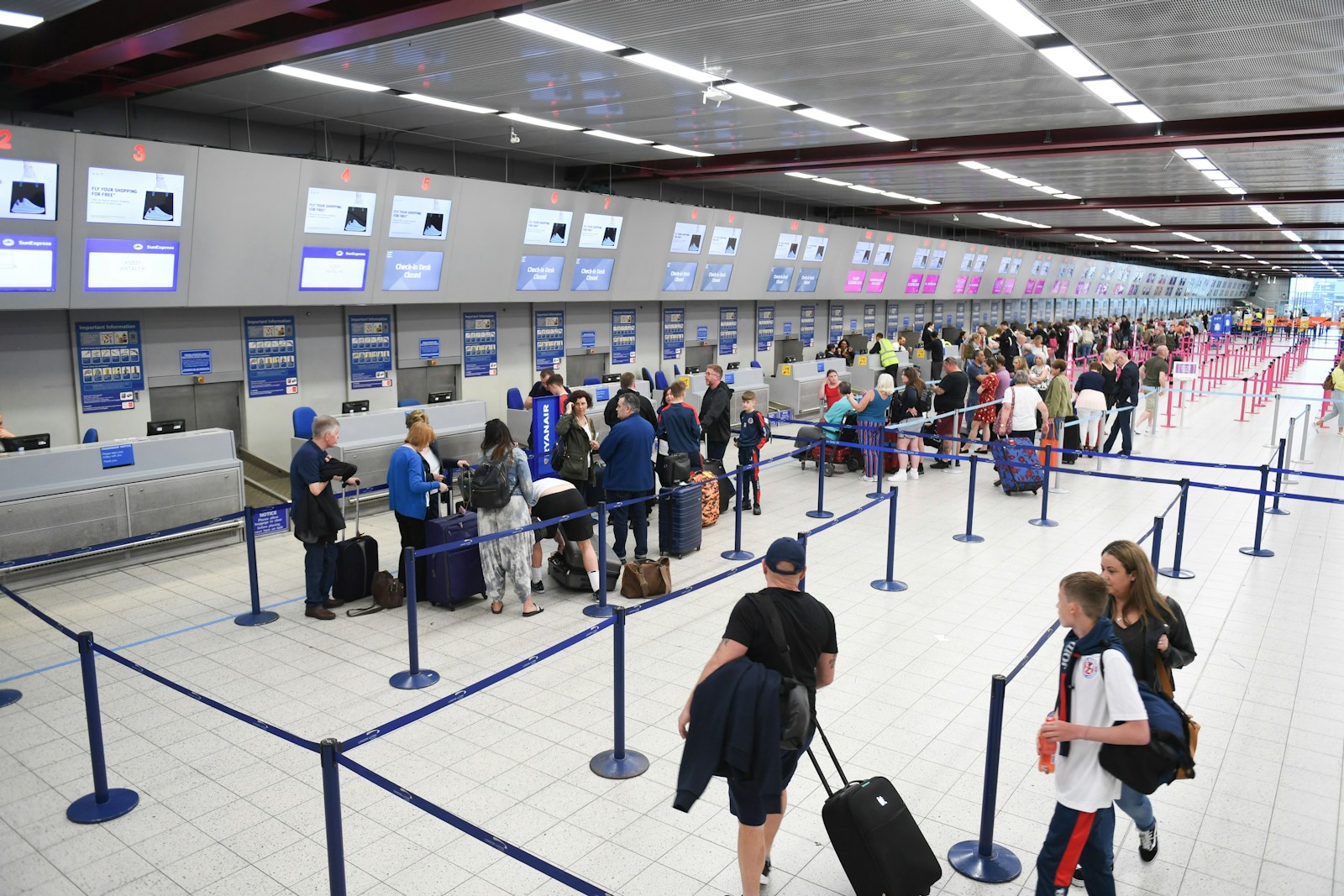
This post will walk through what happened on her flight, how the airline responded, and why this incident matters in the wider conversation about customer treatment and air travel etiquette. Expect details from the gate interaction, the online fallout, and what the episode signals for future passengers.
Omaha Traveler’s Southwest Flight Ordeal
She says the flight turned into a humiliating, public confrontation about her need for more room, questions about safety, and inconsistent responses from staff and crew. Passengers witnessed the exchange, and the incident highlighted how health needs, airport policies, and security checks can collide on a busy Southwest flight.
Experience of Public Humiliation
The traveler says gate agents told other passengers about her need for extra space, then asked her to explain in front of the crowd. She reports that agents used a microphone and repeated personal details while looking to nearby passengers for reactions, which drew stares and comments.
Other travelers recorded parts of the interaction on phones, and clips circulated on social platforms. That amplified the embarrassment, with some viewers criticizing staff behavior and others debating policy. The traveler later described feeling exposed, anxious, and reluctant to fly again.
Issues With Needing Extra Space
She needed additional seat space for a medical reason and had documentation that she says she offered to show. Southwest’s boarding and seat-assignment rules require verification for some accommodations, but she says staff demanded a doctor’s note on the spot and would not move other passengers or reassign seats promptly.
The lack of a clear, consistent process created delays and confusion at the gate. Passengers nearby were told to stay put while staff attempted to resolve seating, which extended boarding time and increased tension. Health needs and airline rules clashed, leaving the traveler without an immediate accommodation she considered reasonable.
Reaction From Airport Staff and Crew
Airport staff, including gate agents and a supervisor, handled initial questioning and communications with passengers, while flight crew monitored safety and boarding deadlines. She reports that a TSA-related security check was not the cause, though visible attention from agents made the scene feel official and intimidating.
Crew members later told her they could not alter the manifest without documented approval and cited safety and regulatory limits. A Southwest customer-service contact offered guidance afterward and a path to request formal accommodation, but the traveler said that post-incident support did not undo the public nature of the encounter.
Wider Impact and Online Reactions
People reacted quickly and emotionally, centering on dignity, safety, and airline practices. Online threads, health concerns, and policy debates have continued to shape public discussion about passenger treatment and seating accommodations.
Online Support and Social Media Discussion
Posts on Facebook and YouTube sparked the largest immediate response, with video clips and comment threads drawing thousands of views and reactions. Many users shared the traveler’s account, tagging disability and advocacy groups and amplifying calls for clearer airline procedures.
Commenters debated whether Southwest staff followed policy or acted improperly. Tech platforms tracked engagement patterns, and some pages used cookies to personalize follow-ups and promote petitions or fundraisers tied to the incident. Influencers urged viewers to check airline rules before flying and to document interactions.
Community groups used platform tools to coordinate support. Several local Facebook groups organized to contact Southwest customer service and to offer transportation or legal referrals to the traveler. The online momentum pushed mainstream outlets to request statements from the airline.
Implications for Traveler Health and Comfort
Medical professionals and disability advocates highlighted physical risks when airlines deny extra space or appropriate seating. For travelers with mobility or respiratory issues, cramped seating can worsen pain, swelling, or breathing problems during and after flights.
Psychological effects surfaced too: humiliation in public settings can increase anxiety and deter people from flying again. Healthcare providers recommended travelers carry recent medical notes, wear visible mobility aids or prescriptions, and, when possible, request advance seat assignments that provide extra space.
Travelers should also document incidents. Photographs, witness names, and time-stamped messages help if they later pursue complaints or claims for medical or emotional harm. Advocates pressed airlines to train staff on both medical needs and respectful communication.
Changing Policies: What Travelers Should Know
Airlines continue updating seating and accommodation policies after public incidents. Southwest and competitors outline disability assistance processes online, though enforcement varies by airport and agent. Travelers should review airline policy pages and carry printed confirmations.
Regulatory guidance from aviation authorities requires reasonable accommodations for passengers with disabilities, but specifics depend on documentation and gate agent discretion. Passengers can request assistance at booking, check in early, and ask for a gate-check or bulkhead seat when needed.
If an issue arises, file a formal complaint with the airline and consider contacting the Transportation Security Administration or the Department of Transportation, depending on the problem. For examples of media coverage and community reaction, see reporting on the traveler’s claims at the Omaha local news site.
More from Willow and Hearth:
Leave a Reply