You’ll notice a clear shift when you walk into many Goodwill stores: fitting rooms have closed and return rules for apparel have tightened to curb theft and protect staff and shoppers. Goodwill implemented the policy to reduce theft, vandalism, and dangerous misuse of dressing rooms while improving overall store safety.
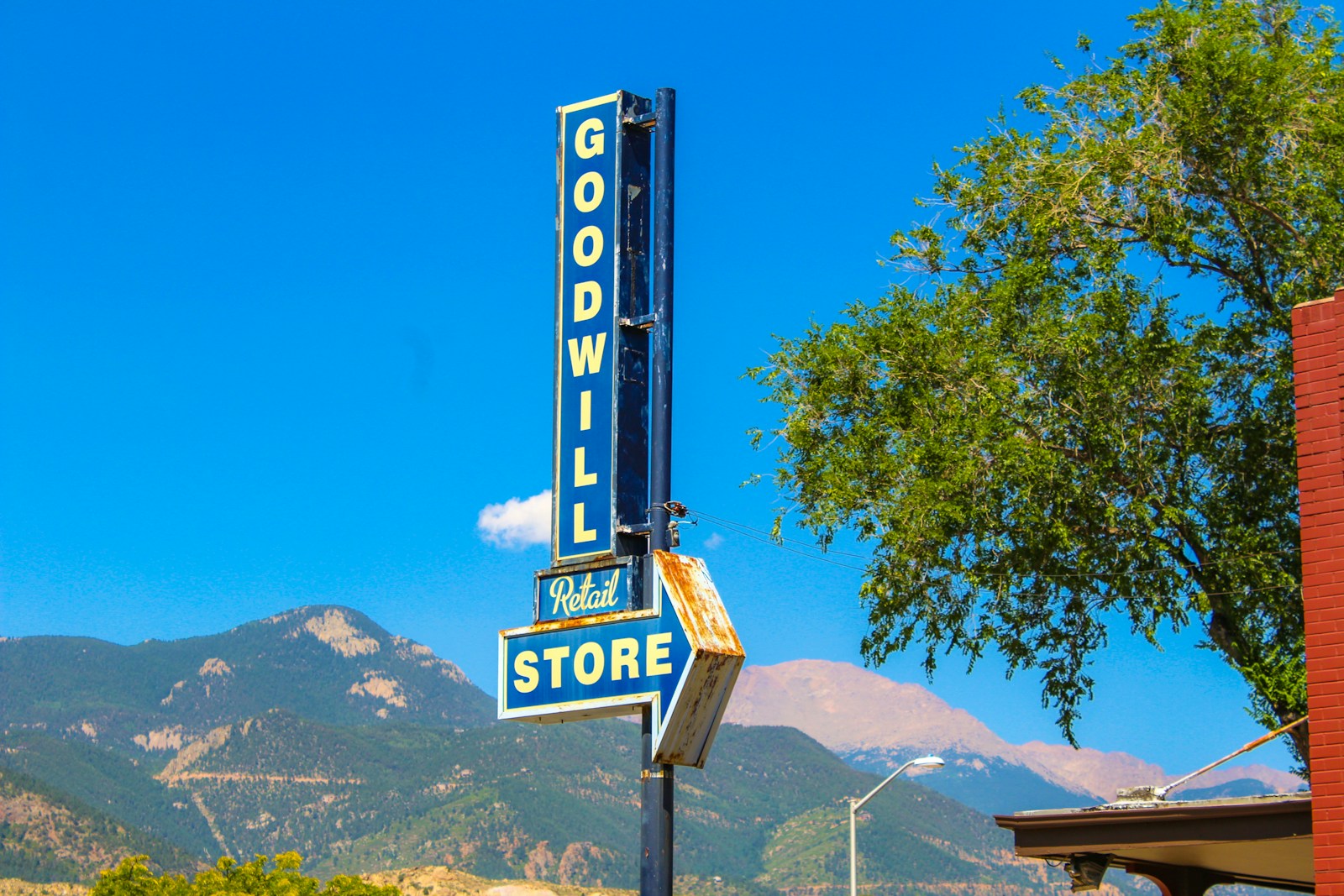
They rolled out changes in multiple regions after reporting spikes in shoplifting, vandalism, and illicit activity inside fitting areas, and stores now emphasize monitored returns and alternative ways to try items on. Expect the article to explain the new rules, how stores enforce them, and what those changes mean for local communities and everyday thrift shoppers.
Details of Goodwill’s Changing Room Policy
Goodwill closed or limited fitting rooms at multiple locations and updated apparel return rules to reduce theft, cut cleanup costs, and protect staff. The changes affect how customers try on clothes, how returns are handled, and store layout and staffing.
Reasons for Closing Changing Rooms
Goodwill cited increased incidents of theft, vandalism, and unsafe behavior as primary reasons for closing fitting rooms. Specific reports from Goodwill Colorado and other regional branches described repeated thefts and instances of substance use and property damage that created operational and safety problems. These incidents raised security concerns and increased costs related to loss prevention.
Stores said maintaining supervised changing areas required staff time and monitoring that strained budgets. Closing rooms reduces one point of vulnerability where organized shoplifters could conceal items. The policy aims to lower retail losses due to theft while allowing stores to reallocate staff toward floor coverage and customer service.
Impact on Shoppers and Their Reactions
Shoppers reacted with frustration and mixed adaptations. Some customers said they now wear base layers—leggings or tank tops—so they can try garments in aisles. Others reported increased use of restrooms or returned purchases after trying items at home, which shifts inconvenience onto shoppers.
Community response varied by region. In areas served by Goodwill of Houston and Goodwill Colorado, social posts and local coverage showed vocal objections about privacy and shopping experience. At the same time, some regular donors and employees expressed understanding that closures addressed theft and safety problems that had previously disrupted operations.
Return Policy Changes and Store Adjustments
Goodwill adjusted return rules for apparel to compensate for closed fitting rooms. Many locations now accept clothing returns only with tags intact and within a limited timeframe, often issuing store credit rather than cash refunds. Some branches require receipts and process refunds to a Goodwill gift card.
Stores are also repurposing space and changing staffing patterns. Changes include improved floor lighting, repositioned displays to increase visibility, and reallocating staff to monitor high-theft areas. Goodwill has framed these adjustments as resources redirected toward loss prevention and maintaining community programs rather than funding continuous supervision of fitting rooms.
For reporting on regional decisions and specific policy notices, see coverage of closures at Goodwill Colorado and local Houston changes.
Security Measures and Community Impact
Goodwill has tightened policies that affect fitting-room access, returns, and in-store monitoring to address rising incidents of theft, vandalism, and drug use. These moves aim to protect staff, reduce losses, and preserve revenue that funds job programs.
Efforts to Improve Store Security
Goodwill of Colorado closed fitting rooms in 42 stores after reports of vandalism, stolen merchandise, and illegal substance use inside private areas. The organization reinforced signage, locked dressing areas, and placed furniture to block access where incidents occurred.
They increased staff presence on sales floors and added more frequent patrols to deter misuse. Some locations have also tested enhanced camera placement and lighting to improve visibility without violating privacy rules.
Stores updated return rules to require same-week returns for store credit rather than cash refunds, reducing fraudulent returns that contributed to shrink. Goodwill coordinated with local law enforcement on repeat incidents and trained employees to report suspicious behavior quickly.
Financial Implications and Loss Prevention
Goodwill’s retail income helps fund workforce programs, so shrink from theft directly affects services. In one report, incidents of theft in some stores nearly doubled over a short period; leaders cited that continuing losses could force store closures. Closing fitting rooms aims to reduce those theft-related losses and limit liability from on-site drug use and damage.
The return-policy change — accepting returns for store credit within seven days — targets return fraud tied to closed changing rooms. This policy shift reduces cash outflow and makes recovery of value easier through in-store sales. Management monitors net retail sales and donation levels to measure whether security steps restore acceptable margins.
Effect on Community Programs
Revenue from thrift-store operations supports job training, placement, and programs for people with disabilities. If retail losses remain high, Goodwill may cut program hours or scale back services that directly help local job-seekers. Implementing security measures aims to stabilize funding so community offerings can continue.
The policy changes have produced mixed reactions among shoppers; some accept the tradeoff for safer stores, while others feel inconvenienced. Goodwill communicates the link between store income and social services to encourage donor and shopper understanding, and it tracks impacts on donations and program budgets to adjust as needed.
More from Willow and Hearth:
Leave a Reply