You step up to the counter expecting a late-night slider, but some White Castle locations have tightened who can enter and when to curb loitering and vandalism. The new rules limit after-hours access at select stores and pair with security technology to let staff intervene earlier, aiming to make dining safer without changing the classic menu experience.
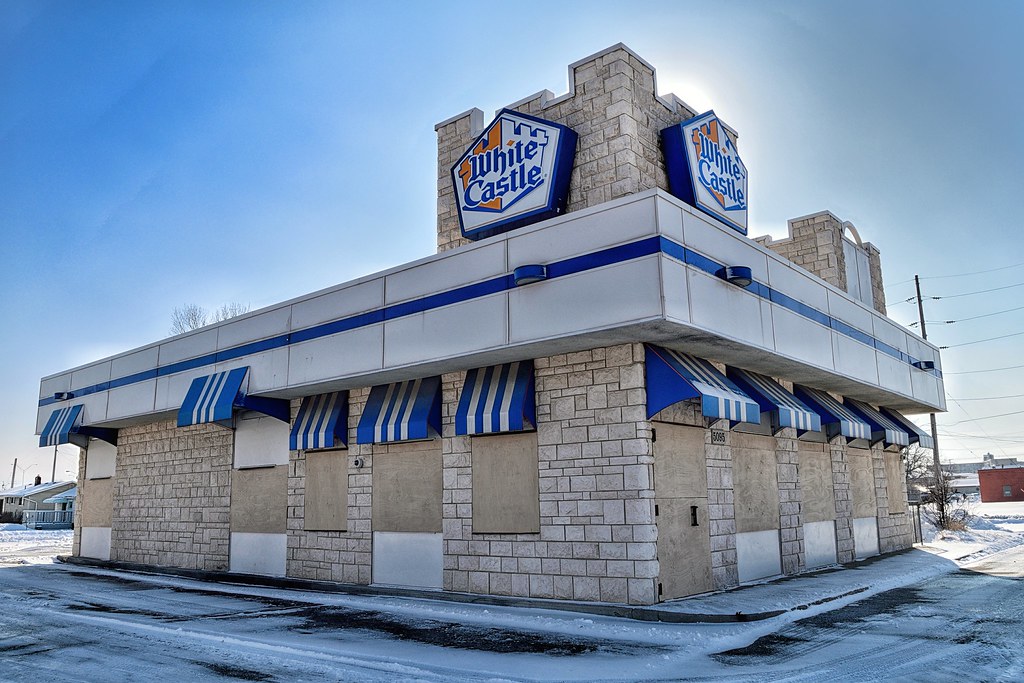
They will explain how the policies work, where they launched, and what enforcement looks like, plus how those changes affect ordering, privacy, and the in-store vibe. If you care about late-night convenience or how restaurants balance safety and customer access, the next sections unpack what to expect.
White Castle’s Stricter Dining Rules Explained
White Castle is tightening who can dine in, when dining rooms stay open, and how staff and customers interact at select restaurants. These changes concentrate on evening hours, peak late-night shifts, and locations that have seen repeated safety incidents.
Overview of New Policies at Select Locations
White Castle has introduced time-limited dine-in hours at certain sites, with many restaurants restricting indoor seating after 10 p.m. or closing dining rooms on high-risk nights. Drive-thru, delivery, and pickup remain available at most affected locations to keep sales flowing without indoor crowds.
The chain now requires staff to lock dining-room entrances during specified late-night windows and to monitor entry with a visible team member or camera when dining rooms are open. Cravers who want to eat on-site may face ID checks or a quick verification via the White Castle app for loyalty members.
White Castle also implemented a small-items policy: they limit large groups and discourage backpacks or outside coolers in the dining area. These rules target repeat disturbances while preserving business for solo diners and small parties.
Reasons Behind the Increased Security Measures
Management attributes the policy shift to a pattern of incidents at a subset of locations—mainly late at night—ranging from vandalism and fights to recurring loitering. Those incidents raised safety concerns for crew and other Cravers, prompting operational changes to reduce staff exposure and liability.
Corporate aims to balance its Night Castle identity with employee protection. Limiting dine-in access and increasing monitoring reduces opportunities for confrontations that can escalate after last-call hours.
Local franchisees and regional managers pushed for uniform minimum standards after several communities reported spikes in after-hours disorder. The measures also respond to labor constraints; fewer staff overnight made it harder to safely manage large, rowdy groups.
Impact on Late-Night Dining and Cravers
Late-night Cravers will notice fewer dining-room options at some castles, particularly between 10 p.m. and 3 a.m. Many locations will stay open for drive-thru, delivery, and app pickup, but in-restaurant seating may close earlier than before.
Promotions aimed at night customers—like Night Castle deals—remain available through the White Castle app and loyalty program, Craver Nation. Members may find app-exclusive pickup windows or priority ordering that reduce time spent inside the restaurant.
Regular late-night crowds who enjoy lingering will need to adjust plans: bring smaller groups, use delivery, or pick locations that maintained 24/7 dining. White Castle estimates a modest operational trade-off: fewer in-person disturbances but steady revenue from off-premises channels.
White Castle’s Communication with Customers
White Castle updated store signage, posted policy details on its website, and pushed notifications through the White Castle app to inform Cravers. Restaurants display dining-hour rules at entrances and use menu-board inserts and social posts to explain when dining rooms close.
Craver Nation members receive targeted emails and app alerts outlining late-night pickup options and exclusive deals to soften the impact of reduced dine-in access. Staff get a standard script to answer customer questions and to explain safety reasons in a calm, consistent way.
Corporate and franchise PR emphasized that these are location-specific pilot measures, and they encouraged Cravers to check hours on the app before visiting. Affected locations list dining-room status on their individual pages, so customers can confirm whether on-site seating is available.
Customer Experience and Digital Privacy Updates
White Castle is tightening in-restaurant movement and using digital tools to speed service while updating account and data settings for app users.
Changes for Craver Nation Members and App Users
Craver Nation members will see changes to how loyalty points and order histories display in the White Castle app. The app now requires a brief re-authentication for accounts that haven’t been used in six months; this keeps points accurate and prevents abandoned accounts from being exploited.
Members who link payment methods must confirm the card’s last four digits before checkout, and saved-payment expiration dates prompt an automatic update reminder.
Push notifications related to late-night promotions and location-specific offers can be toggled per device. White Castle also limits simultaneous active sessions on a single account to two devices to reduce account sharing or misuse at locations with stricter entry/exit rules.
Adjustments to In-Restaurant and App Ordering
Ordering flows now separate dine-in and late-night takeout to enforce the new exit procedures at participating stores. The app asks customers to choose “dine-in” or “drive-thru/pickup” when placing an order; dine-in selections generate a brief QR receipt tied to a single table or receipt number.
For drive-thru and pickup, estimated ready times appear with live updates; staff can flag orders for security review if a pattern of no-shows or suspicious pickup behavior occurs.
Menu presentation prioritizes high-turnover items like sliders on the main screen, reducing taps to order common combos. Guests can still customize items, but edits that repeatedly trigger order cancellations prompt a short confirmation step to prevent misuse.
Privacy Policy and Cookies Information
White Castle updated its privacy policy to clarify what customer data it collects through the app and in restaurants. It lists account identifiers, purchase history, payment token metadata (not full card numbers), and device identifiers used for session control and fraud detection. The policy states retention windows for transaction records and loyalty histories, and explains how long inactive accounts’ data is held.
The website and app use cookies and similar tracking to manage logins, personalize offers, and measure service performance. Users can adjust cookie preferences via the app settings or a cookie banner on the website, choosing essential-only cookies or allowing marketing cookies for customized promotions.
A link to the full privacy policy appears in the app account menu; customers may request data deletion or download by contacting the support form provided there.
More from Willow and Hearth:
Leave a Reply