She discovers that her closest friend secretly sent private videos to her mother after jealousy over a man, and everything built between them shatters overnight. This betrayal cost her privacy, trust, and the life she thought was secure.
You will follow how a single act of spite unravels relationships, social standing, and emotional safety, and why jealousy can flip a harmless rivalry into a destructive force. Expect concrete details about the leak, the immediate fallout, and the hard choices that follow when intimacy becomes ammunition.
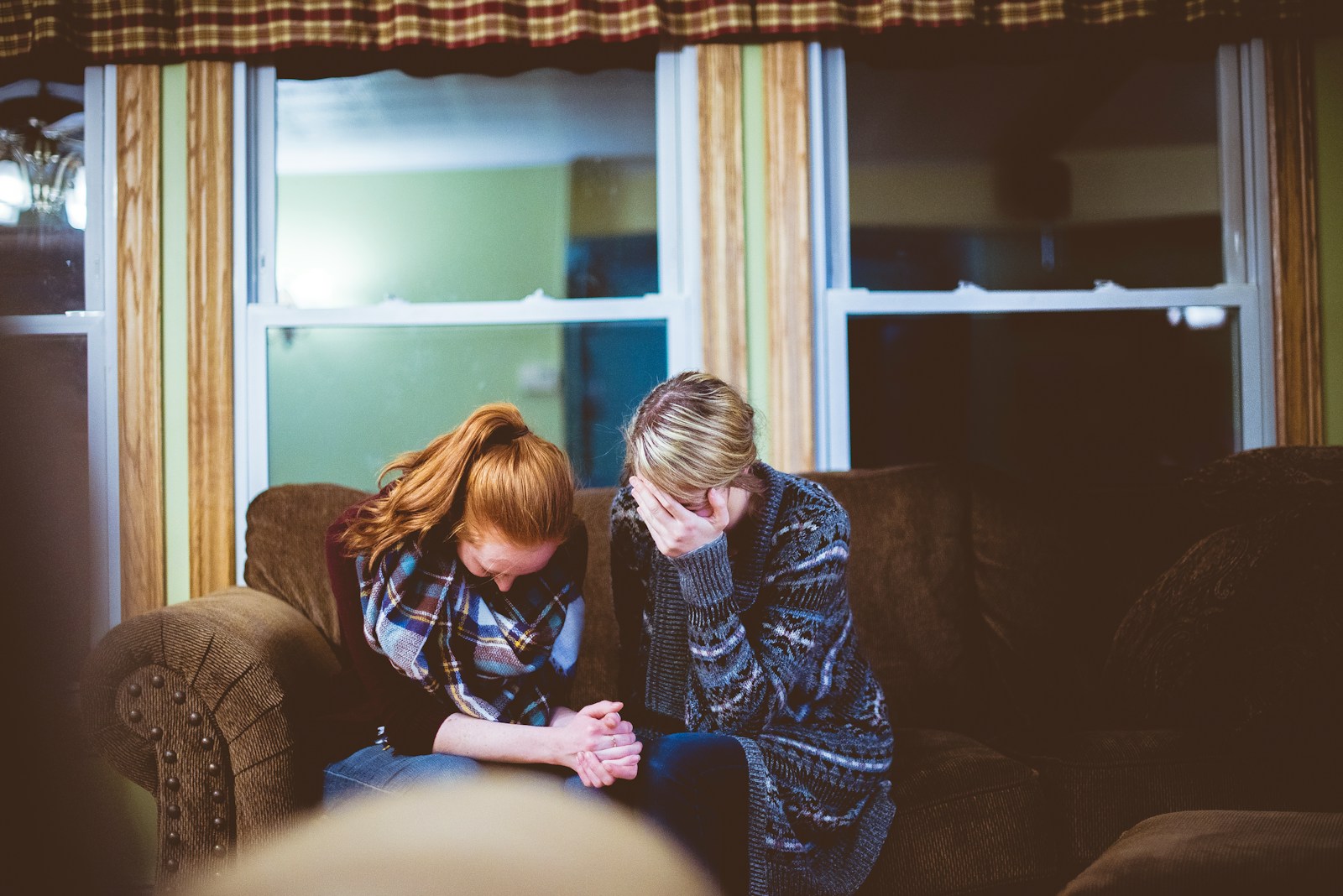
The piece will trace motives, consequences, and what it takes to begin rebuilding when a friendship becomes the vehicle for humiliation and loss.
The Fallout of Betrayal: How the Leaked Videos Changed Everything
The leak shattered trust, altered family ties, and left the woman isolated and anxious. It produced immediate shock, a strained relationship with her mother, withdrawal from friends, and ongoing mental-health challenges that affected work and daily routines.
Immediate Emotional Impact on the Woman
She felt raw betrayal the moment she learned the videos were shared. Panic and nausea came first; then a sharp, recurring shame that made her avoid mirrors and photos for weeks. Sleep fragmented into short, anxious naps and waking nightmares about further exposure.
Anger followed—directed at the friend who leaked the material and at herself for trusting that friend. That anger quickly mixed with helplessness once messages and screenshots circulated online. She began checking every account and setting frequently, hoping to stop another spread but finding more evidence instead.
Practical needs became emotional burdens. She deleted apps, changed passwords, and lost hours trying to remove posts. Each small technical victory felt hollow against the continuing humiliation and the sense that her private life had been turned into public property.
The Mother’s Reaction and Family Dynamics
When the woman discovered her mother had received the videos, the betrayal doubled. She expected protectiveness but instead met disappointment and bewilderment. The mother’s immediate reaction—anger at the daughter rather than only at the leaker—created a wedge that widened fast.
Family conversations turned tense and brief. Side comments and avoidance replaced affection. The mother’s stance influenced other relatives; some took her side, while others stayed silent to avoid conflict. This split made the home feel unsafe, like an audience waiting for the next scandal.
Practical fallout followed emotional distance. The woman lost informal support for things like childcare, finances, or company during medical appointments. That absence of steady help amplified the sense that the betrayal had not just exposed videos but also eroded the basic safety net of family.
Navigating Loneliness and Social Isolation
She withdrew from social spaces to avoid stares and questions. Friends stopped inviting her to gatherings, and group chats felt like traps. Online harassment and unsolicited messages made it hard to log on without reliving the leak.
Isolation reinforced negative thinking. Without regular, compassionate contact, she replayed the betrayal and imagined worse outcomes. Loneliness compounded sleep problems and eating irregularities; basic routines—grocery runs, exercise, work—became harder to maintain.
To cope, she tried controlled reconnection: one close friend on the phone, a therapist via telehealth, and limiting social media use to short, scheduled checks. Those steps offered some relief, but rebuilding trust took time and a slow return to everyday interactions.
Long-Term Effects on Mental Health
Months after the leak, symptoms persisted: low mood, hypervigilance, and intrusive memories. She developed social anxiety tied specifically to phones and repair shops, fearing future invasions of privacy during routine tasks like device servicing.
Therapy revealed patterns similar to trauma reactions—avoidance, flashbacks, and distrust—rather than mere embarrassment. Sleep disturbances and concentration problems affected job performance, prompting a leave of absence for focused treatment.
Legal steps and content takedown helped in practical terms, but emotional recovery required ongoing therapy and community support. Over time, she learned safety practices and rebuilt boundaries, though certain triggers—mentions of betrayal or scenes from shows like Beauty and the Beast that touch on trust—still caused sharp reactions.
Jealousy Over a Man: Friendship, Trust, and Irreparable Damage
Jealousy can shift private boundaries and trigger actions that ripple through families and social circles. When trust breaks, consequences often include legal exposure, ruined reputations, and long-term emotional harm.
Jealousy as the Root Cause of the Betrayal
She became jealous after learning he spent time with the friend who later shared the videos. That envy focused on perceived attention and created a motive: to prove a point and gain advantage in the relationship triangle.
Jealousy doesn’t always look like anger; it often starts as comparison and insecurity. Those feelings can push someone to rationalize invasive acts — like sending private videos to a parent — as justified retaliation or proof.
Patterns matter: sudden possessiveness, frequent accusations, and attempts to isolate the partner are red flags. Recognizing those behaviors early can prevent escalation into actions that cross legal and ethical lines.
Friendship Before and After the Incident
Before the leak, they had years of shared history: vacations, family introductions, and late-night confidences. Those memories made the betrayal feel especially raw; it wasn’t just a leak of footage, it felt like an erasure of shared loyalty.
Afterward, communication stopped. Messages went unread, mutual friends chose sides, and family gatherings became awkward or impossible. The mother’s involvement widened the circle of harm, adding shame and a sense that privacy no longer existed.
Repair requires accountability from the person who leaked the videos and willingness from the harmed person to set boundaries — but many relationships never fully recover once trust this deep is broken.
Anger Management and Coping Mechanisms
They dealt with immediate anger through confrontation, but that often escalated tensions rather than resolving them. Short-term responses like shouting or public shaming can feel cathartic but usually make legal or relational consequences worse.
Constructive steps include blocking the perpetrator, documenting the incident, and seeking legal advice if distribution continues. Therapy helps process betrayal and develop anger-management tools such as paced breathing, journaling, and cognitive reframing.
Some cope by leaning on rituals — talking with supportive friends on a Friday night, attending group counseling, or pursuing activities that restore a sense of dignity and “glory” in personal achievements. Others invoke moral ideas like karma to find emotional closure, though relying solely on that belief seldom replaces active healing.
More from Willow and Hearth:
Leave a Reply