It starts with something that should be harmless: a report card. Except in this house, the report card somehow reaches Grandma’s eyes before it reaches mine, and then I’m hearing a play-by-play like I’m a guest star in my own parenting life.
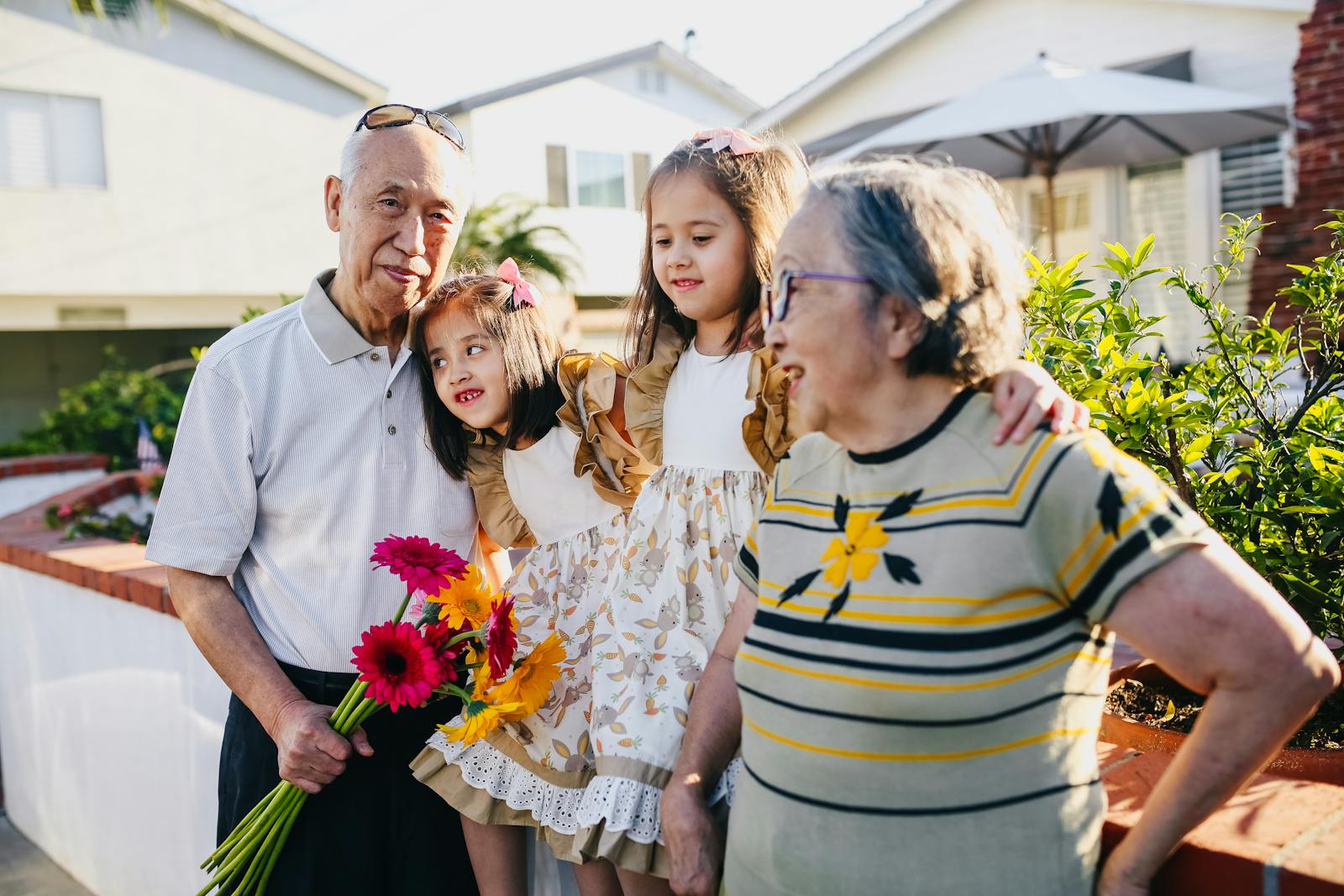
“I’m just staying involved,” she’ll say, breezy as anything, as if she’s checking the weather. Meanwhile, I’m standing there thinking: involved in what, exactly—my role?
How it’s happening (and why it feels so personal)
In many families, grandparents help with pickups, homework, snacks, and the thousand little tasks that keep the week from collapsing. That support can be a gift, especially when you’re juggling work, kids, and the general chaos of modern life.
But there’s a difference between helping and quietly becoming the first point of contact for your children’s milestones. When your mother reads the report cards first, it’s not just about grades—it’s about access, authority, and the unspoken message of who’s “in charge.”
The “involved” grandparent trend: sweet, until it’s not
Grandparents being active in their grandkids’ lives is pretty normal now. Longer working hours, expensive childcare, and families living closer (or moving back home) mean grandparents often end up doing more day-to-day parenting tasks than they expected.
And sure, some grandmas just love school stuff. The stickers, the teacher comments, the neat little boxes—report cards are basically catnip for anyone who enjoys being updated and feeling useful.
Why report cards hit a nerve
Report cards aren’t just administrative paperwork. They’re one of those parenting “checkpoints” that make you pause and ask, “Is my kid okay? Are we supporting them the right way?”
When someone else gets there first, it can feel like they’re stepping into an emotional moment that belongs to you. Even if Grandma’s intentions are good, the impact can still be that you feel sidelined—and yes, maybe a little replaced.
What might be driving your mom (besides nosiness)
Sometimes grandparents push in because they’re anxious. School performance can trigger old fears—about opportunity, success, or “falling behind”—and reading the report card first makes them feel like they have a handle on things.
Other times, it’s identity. If your mom built her whole sense of worth around being needed, she might not know how to shift into a grandparent role that’s supportive without being central. And occasionally, it’s just habit: she helped raise you, she thinks she’s still on that same team… even if the team captain has changed.
The quiet ways this can undermine you
Even when Grandma isn’t criticizing you outright, this dynamic can chip away at your authority. Kids notice who gets information first, who reacts first, who asks questions first, and who seems to “own” the conversation.
It can also create an odd triangle where you’re stuck responding to your mom’s commentary instead of connecting directly with your child. Suddenly you’re managing your mother’s feelings about your kid’s math grade, which is a sentence no one wants to live inside.
Red flags vs. harmless quirks
Not every involved grandparent is a boundary problem. If she occasionally sees a report card because she’s watching the kids and it’s in the backpack, that’s one thing—life happens, papers spill out, curiosity wins.
But if she’s intentionally intercepting school communications, asking teachers for updates, using your parent portal login, or treating the report card like her personal briefing document, that’s not a quirk. That’s a role confusion problem, and it deserves a clear reset.
What to say when she insists she’s “just staying involved”
You don’t need a courtroom speech; you need a calm, firm sentence that doesn’t invite debate. Something like: “I love that you care, but I need to be the first person to see the report cards. That’s part of being their parent.”
If she responds with hurt feelings, try not to take the bait. You can validate the emotion without surrendering the boundary: “I’m not shutting you out. I’m defining what belongs to me, and I’m asking you to respect it.”
Practical fixes that don’t require a family summit
Start with the logistics, because logistics reduce drama. Update school settings so the report card emails go to you first, change passwords to parent portals, and make sure teachers know you’re the primary contact for academic updates.
At home, create a simple routine: report cards get opened at the kitchen table with you and your child first. Grandma can be included later if you want, but the “first read” is yours—like blowing out birthday candles, it’s a small ritual with big meaning.
How to keep Grandma involved without giving away the wheel
Some grandparents overstep because they genuinely don’t know where they’re allowed to stand. Giving them a clear lane can actually reduce the boundary testing.
You might say: “We’d love your help with reading practice,” or “Can you take them to the library on Saturdays?” That’s real involvement, but it doesn’t replace the parent-child relationship or make you feel like you’re competing for your own job.
What to do if your kids are feeding her information
Kids can accidentally (or enthusiastically) recruit grandparents, especially if Grandma reacts with extra attention. If your child runs to her first with school news, it doesn’t automatically mean they’re choosing her over you—it might mean she’s more available in that moment, or simply more dramatic about it.
Try a gentle reset with your child: “I want to be the first person you show your report card to. Then we can share it with Grandma together.” Frame it as connection, not punishment, and keep it consistent.
If it’s part of a bigger pattern
Sometimes the report card is just the latest episode in a longer series: Grandma answers questions for you, corrects you in front of the kids, or acts like she’s the manager and you’re the trainee. If you’re feeling “slowly replaced,” trust that feeling—it’s usually your brain noticing a pattern, not being dramatic.
In those cases, boundaries need to be broader: fewer opportunities to intercept information, clearer rules about speaking to teachers and doctors, and maybe less unsupervised access to the administrative parts of parenting.
The bottom line: you’re not being petty
Wanting to read your own kids’ report cards first isn’t territorial nonsense. It’s a reasonable expectation, and it’s also one of the simplest ways to protect your role as the primary parent.
Grandparents can be a wonderful bonus in a child’s life, but they’re still the bonus. You’re the main story—and it’s okay to insist the paperwork reflects that.
More from Willow and Hearth:
Leave a Reply