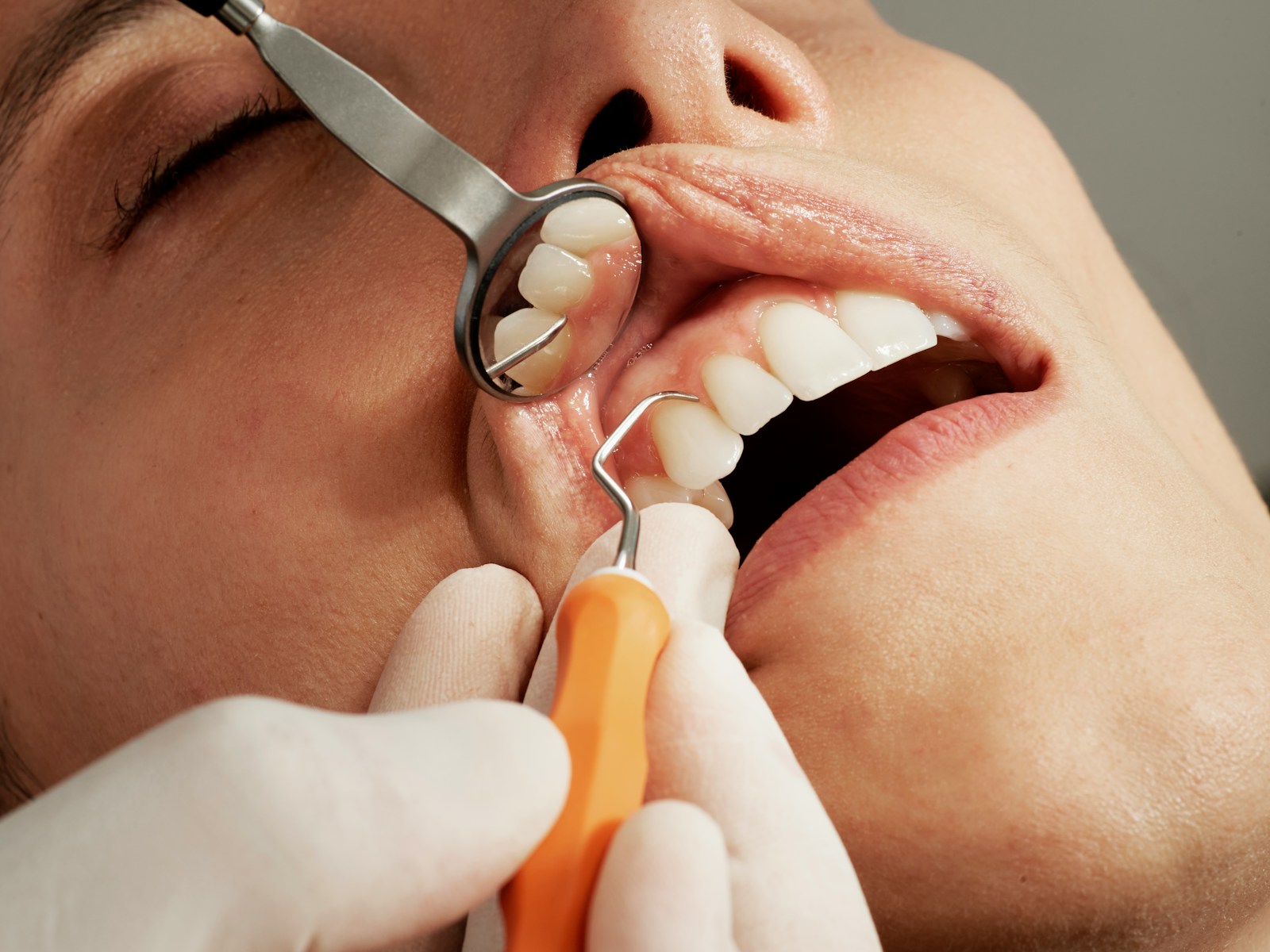
The appeal is straightforward. Full-mouth implant work that costs $25,000 to $50,000 in the United States can be quoted at $5,000 to $12,000 by Turkish clinics, flights and hotel included. Turkey performed an estimated 700,000 to one million dental tourism procedures in recent years, according to reporting by the BBC, making it one of the world’s top destinations for overseas dental work. But the savings come with trade-offs that marketing materials rarely spell out.
The “dental holiday” pitch and what it leaves out
Turkish clinics typically ask prospective patients to email photos or panoramic X-rays. Within days, a treatment coordinator responds with a plan and a package price. Clinics in Antalya and Istanbul promote these as all-inclusive dental holidays, bundling airport transfers, hotel stays, and multiple procedures into a single trip lasting five to ten days.
What that compressed timeline means in practice is that work normally staged over weeks or months at home gets packed into one or two long sessions. A 2023 analysis by London’s Harley Street Smile Clinic found that 86 percent of questions in a UK dentist forum about Turkish dental work related to post-treatment problems, including infections, nerve damage, and poorly fitting crowns. The clinic warned that aggressive tooth preparation, often needed to fit veneers or crowns quickly, raises the risk of pulp damage and subsequent infection.
Dr. Rhona Eskander, a London-based dentist who has spoken publicly about treating patients returning from overseas work, told the BBC that she regularly sees cases where healthy tooth structure was removed unnecessarily. “They shave down perfectly good teeth to stumps,” she said. “By the time patients come to me, the damage is often irreversible.”
Marathon surgeries and the gap in post-operative care
Full-mouth implant placement is major oral surgery. In the U.S. or UK, the process typically unfolds across multiple appointments: imaging, bone assessment, implant placement, healing time, then prosthetic fitting. In the dental tourism model, patients frequently describe single sessions lasting six to eight hours under sedation.
Long procedures are not inherently dangerous when properly managed. But clinical guidance from the Arizona Center for Oral Surgery stresses that implant patients need careful monitoring in the immediate recovery period, clear written instructions on pain management and bleeding, and explicit guidance on recognizing early signs of infection, including throbbing pain, spreading redness, pus, or fever.
Patient accounts on forums like Reddit and Trustpilot repeatedly describe a different reality: waking up groggy in a clinic with minimal staff, receiving a brief verbal rundown, and being sent back to a hotel room alone. When complications develop days later, the patient is often already at the airport or back in their home country, thousands of miles from the operating dentist.
When infection sets in far from the surgeon
Some swelling and discomfort after implant surgery is normal and typically peaks around 48 to 72 hours before gradually improving. The warning signs that something has gone wrong include pain that worsens rather than improves, facial swelling that spreads, fever, pus discharge, and a foul taste in the mouth. The Superior Dentistry clinic in Houston notes that implant infections are bacterial problems affecting the gum and bone around the titanium post, and that untreated cases can lead to bone loss and implant failure.
For patients who develop these symptoms after returning home, the path forward is frustrating. The operating clinic is reachable only by email or WhatsApp. Local dentists may be reluctant to intervene in another practitioner’s work, especially without complete records. A guide from Rockside Family Dental Care advises patients to document symptoms with photos, contact the original clinic immediately, and seek local emergency care without waiting for a remote response if they develop severe pain, swelling, or fever.
The passport problem: when logistics compound a medical crisis
Medical complications are not the only risk. Patients traveling while medicated, exhausted, and in pain are more vulnerable to logistical disasters. Lost passports at Istanbul Airport are common enough that travel forums carry dedicated threads on the topic. The U.S. State Department advises travelers who lose a passport abroad to report the loss immediately to protect against identity theft, then apply in person at the nearest embassy or consulate for a replacement.
For Americans in Turkey, that means contacting the U.S. Embassy in Ankara or consulates in Istanbul, Adana, or Izmir, filing a local police report, and waiting for an emergency travel document. The process can take one to several business days, adding unplanned hotel nights and rebooking fees to an already ballooning bill.
How to protect yourself if you’re considering dental work abroad
None of this means dental tourism is always a bad decision. Turkey has skilled dentists and modern clinics. But the gap between the best and worst providers is wide, and patients often lack the tools to tell the difference from a website alone. Experts and patient advocates suggest several steps before booking:
- Verify credentials independently. Check whether the dentist is registered with the Turkish Dental Association and whether the clinic holds JCI (Joint Commission International) accreditation, the global standard for healthcare facilities.
- Ask for a staged treatment plan. Be wary of any clinic that proposes full-mouth work in a single visit. Reputable providers will recommend multiple trips or a longer stay with built-in healing time.
- Get a full treatment plan in writing before you travel. This should include imaging, materials to be used, a breakdown of each procedure, and a clear aftercare protocol.
- Arrange follow-up care at home in advance. Identify a local dentist willing to manage your post-operative recovery and share your records with them before departure.
- Buy travel insurance that covers medical complications. Standard travel policies often exclude elective procedures. Specialized medical tourism insurance exists but must be purchased before treatment begins.
The cost savings from overseas dental work can be real. But as a rising number of patients are learning, the cheapest quote is only a bargain if the work holds up after you land back home.
More from Willow and Hearth:
Leave a Reply