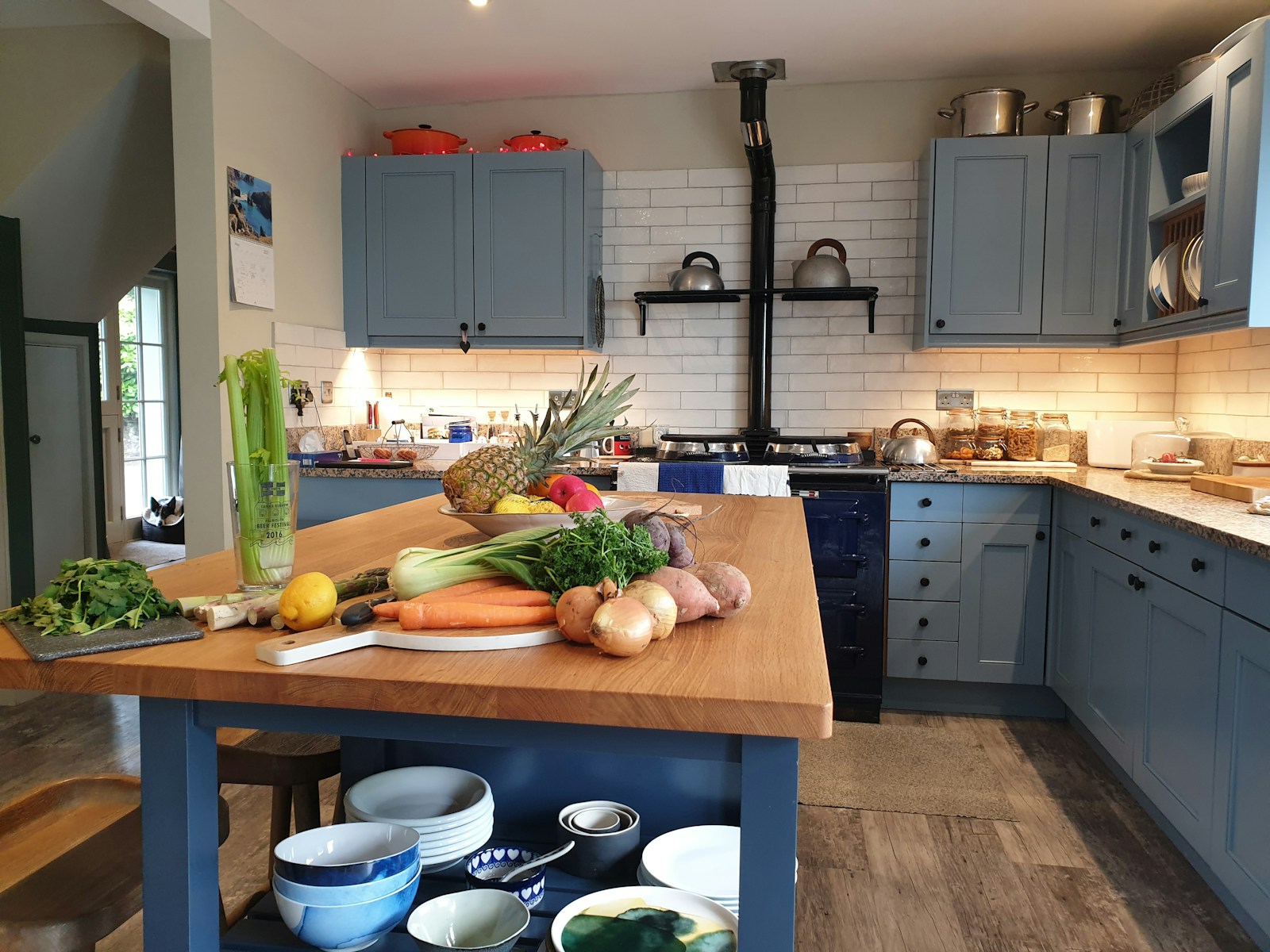
A mother-in-law’s attempt to “help out” during babysitting turned into a domestic disaster when she decided to completely reorganize her daughter-in-law’s kitchen without permission. After offering to babysit for an afternoon, the grandmother didn’t just watch the toddler—she rearranged the entire pantry and kitchen, claiming she made it “more functional for a real cook.”
When the parents returned home, they found their child happy and the sink empty, but their kitchen had been transformed into something unrecognizable. What was meant to be a simple favor spiraled into a boundary-crossing incident that left one woman furious and questioning whether her reaction was justified. The situation got even more complicated when her husband downplayed the intrusion, leaving her feeling isolated in her own home.
The story has sparked heated debate online about in-law boundaries and whether good intentions can excuse uninvited reorganization. This wasn’t just about misplaced spices or relocated appliances—it became a clash over respect, personal space, and what happens when family members overstep without realizing the harm they’ve caused.
When ‘Helping’ Hurts: The Kitchen Rearrangement Saga
A woman came home from work to find her mother-in-law had completely reorganized her kitchen without permission, claiming the original setup wasn’t practical for “real cooking.” When she quietly moved everything back, her MIL broke down in tears.
How the Kitchen Was Transformed Without Asking
The homeowner left for work on what seemed like an ordinary Tuesday, her kitchen organized exactly how she liked it. Her mother-in-law had stopped by to help out while babysitting, which the woman assumed meant maybe some light tidying or entertaining the kids.
Instead, she walked into a completely different kitchen. Spices had been relocated to new cabinets. Utensils were moved to drawers on the opposite side of the room. Pans were stacked differently. Frequently used tools ended up in spots that made sense to someone else’s cooking habits, not hers.
The mother-in-law rearranged the entire kitchen while she was out, treating it like a full renovation project nobody had requested. According to the homeowner, her MIL justified the changes by saying her layout “wasn’t practical for real cooking.” It wasn’t presented as a suggestion but as a correction that needed to happen.
The Impact on Daily Life and Cooking Routines
The changes weren’t just inconvenient. They disrupted the woman’s entire cooking routine. Items she reached for daily were now in completely different locations. Her muscle memory for where things belonged became useless overnight.
The kitchen represents more than just storage space. It’s built on routines, comfort, and knowing exactly where the coffee filters are at 7 a.m. When someone changes that system without asking, it transforms a familiar space into something that requires relearning.
The homeowner had to mentally inventory her own kitchen just to make dinner. What should have been automatic—grabbing a wooden spoon, finding the right pan—became a scavenger hunt. The efficiency her MIL claimed to create actually made everything slower and more frustrating for the person who actually cooks there every day.
Why These ‘Improvements’ Felt Like an Insult
The phrase “real cooking” carried weight beyond just kitchen organization. It suggested the woman’s way of running her kitchen wasn’t legitimate or good enough. Her mother-in-law framed the rearrangement as helping, but the comment about practical cooking landed like judgment.
The changes felt like being erased in her own home. Her preferences didn’t seem to count. She was being graded on domestic performance by someone who didn’t live there or cook in that space daily.
Friends described the mother-in-law as “hands-on,” which often translates to helpful until someone wants autonomy. The MIL reportedly saw the reorganization as an efficiency upgrade, assuming everyone reaches for kitchen tools the same way she does.
The Husband’s Reaction and the Mother-in-Law’s Defense
The homeowner waited for a quiet moment and simply put her kitchen back the way it was. No dramatic confrontation. No thrown utensils. She just restored her own system.
That’s when her mother-in-law noticed and started crying. She said she was only trying to help and felt her efforts were being rejected. The homeowner found herself feeling guilty for wanting her own forks in her own drawer.
Her husband understood why she was upset but also felt pulled toward not wanting to hurt his mom’s feelings. He ended up stuck in the middle, one hand defending his wife’s home and the other managing his mother’s emotions. The in-laws’ dynamic made the situation messier, with the husband trying to keep peace while his wife dealt with the aftermath of someone rearranging her daily life without permission.
Drawing the Line: Boundaries, In-Laws, and Marriage Dynamics
When a mother-in-law crosses into personal territory, it exposes the delicate balance many couples face between appreciating family support and maintaining autonomy in their own homes. The kitchen rearrangement incident highlights how managing relationships with in-laws requires clear communication about what feels helpful versus intrusive.
Recognizing Overstepping and Setting Boundaries
The woman’s experience represents a common pattern where in-laws maintain their authoritative role in adult children’s households. What the MIL likely viewed as being helpful by organizing the kitchen became an overstep that left the homeowner unable to locate her own belongings.
This type of situation often occurs when boundaries haven’t been explicitly discussed. Some mothers-in-law drop by unannounced or take charge in ways that feel overwhelming to the couple living there.
The rearranged kitchen scenario fits a broader pattern where in-laws “rearrange” spaces, question parenting choices, or make unwanted comments during family visits. These actions blur the line between guest and authority figure in someone else’s home.
How to Address Family Conflict Without Escalating
The woman now faces the challenge of addressing what happened without creating lasting tension. Many people in similar situations hesitate to speak up because they worry about seeming ungrateful or starting family drama.
Conflicts with in-laws stem from generational expectations, cultural norms, and differing ideas about household management. The mother-in-law may genuinely believe she helped, while the daughter-in-law feels her space was violated.
The husband’s role becomes critical in these moments. Couples who communicate decisions together rather than deflecting responsibility tend to handle in-law tensions more effectively. If he dismisses his wife’s frustration or defends his mother without acknowledging the problem, it compounds the original issue.
Balancing Gratitude for Help With Respect for Autonomy
The situation puts the woman in an uncomfortable position where she needed childcare assistance but didn’t anticipate such extensive changes to her home. Her mother-in-law provided free babysitting, which many families rely on and appreciate.
However, the mother-in-law and daughter-in-law relationship often becomes the most complicated family dynamic because it involves two women with different visions for the household. The MIL may have organized kitchens her own way for decades, while the younger woman has her own system that works for her daily routine.
The kitchen reorganization represents a broader question about whether accepting help means surrendering control over personal spaces. For many couples, dealing with difficult in-laws requires finding ways to accept support while maintaining clear expectations about what remains off-limits.
Leave a Reply