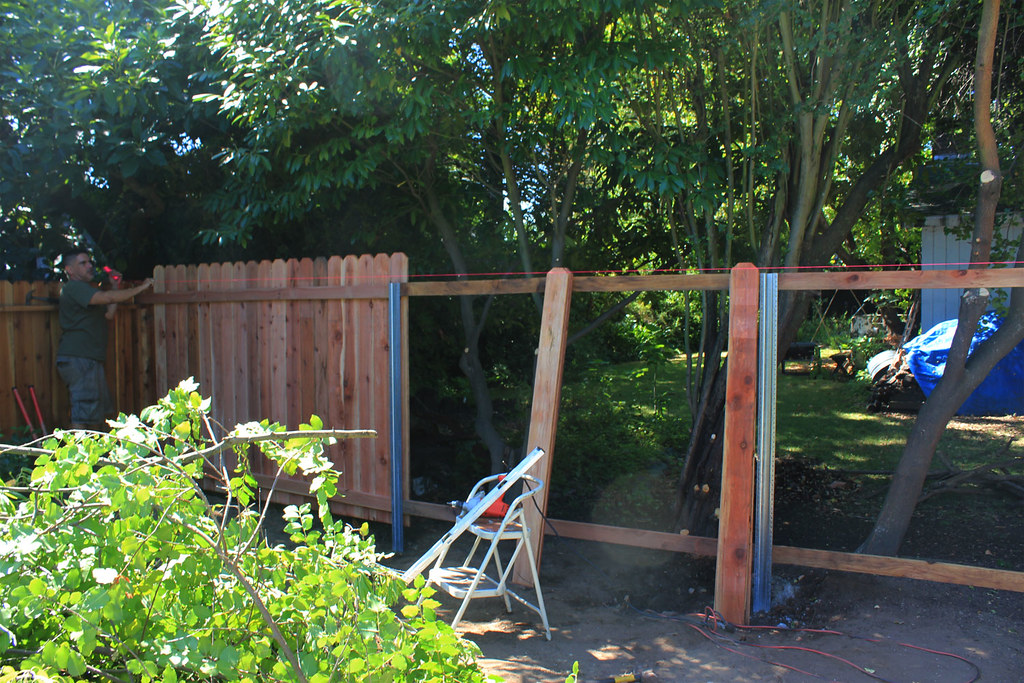
A homeowner’s excitement about a new fence turned into a nightmare when the installation company placed it on the wrong property line, sparking an angry dispute with his neighbor. The mistake has left both parties frustrated and searching for solutions to fix the boundary error.
When a fence gets installed on the incorrect property line, it creates an encroachment that can lead to legal disputes, financial costs, and damaged neighbor relations. The homeowner now finds himself caught between the fence company’s error and his neighbor’s justified anger over the intrusion onto their land.
The situation highlights how quickly neighbor fence disputes can escalate when property boundaries aren’t properly verified before construction begins. What started as a simple home improvement project has become a complex problem involving surveys, potential legal action, and the challenge of maintaining peace with the people next door.
Fence Installed on the Wrong Property Line: The Immediate Fallout
When a fence company mistakenly installs a new fence over a property boundary, the error triggers immediate tension between neighbors and raises questions about who owns the disputed land.
Understanding Property Boundaries
Property boundaries define the legal limits of land ownership between adjacent parcels. These invisible lines determine where one person’s property ends and another’s begins.
The actual boundary line often doesn’t match what homeowners assume based on existing fences or landscaping features. Previous property owners sometimes placed fences several feet inside or outside the true line for various reasons. A fence positioned even a few inches over the line creates a legal encroachment on the neighbor’s land.
Property boundaries get established through legal descriptions in deeds, which reference monuments, measurements, and coordinates. The man discovered his fence company used the old fence location rather than the actual property line. His neighbor noticed the new fence extended further onto what the survey showed as his property.
How Fence Placement Mistakes Happen
Fence companies make placement errors when they rely on existing structures instead of professional surveys. The contractor in this case apparently assumed the old fence marked the correct boundary.
Common causes of fence placement mistakes include:
- Using visible markers like old fences or hedges as guides
- Misreading or not obtaining property surveys
- Relying on homeowner estimates of property lines
- Installing fences based on property pins that have shifted or disappeared
- Following previous encroachments without verification
The company may have tried to save time or assumed the homeowner had already verified the location. Some contractors don’t require customers to hire a surveyor before installation. Without documented proof of the exact boundary, installers often make educated guesses that turn out wrong.
Why Accurate Land Surveys Matter
A professional land survey provides documented proof of exact property boundaries through precise measurements and legal markers. Surveys typically cost between $330 and $670, though prices vary based on lot size and location.
Licensed surveyors use deed descriptions, historical records, and physical measurements to establish boundary lines. They place or verify property monuments and create maps showing the precise perimeters. The man likely didn’t obtain a current survey before the fence installation, leading to the placement error.
When neighbors have a fence dispute, surveys from title companies or professional land surveyors settle questions about the true line. The neighbor apparently had documentation proving the fence crossed onto his side.
Typical Neighbor Reactions to Fence Disputes
The neighbor’s fury represents a common response when someone discovers a new fence encroaches on their property. Property owners react strongly to perceived violations of their land rights.
Many neighbors demand immediate removal of the offending fence. Others worry about adverse possession claims, where the fence builder could eventually claim legal title to the encroached land if enough time passes. Even small strips of land hold significant value.
Some neighbors view the mistake as disrespectful or intentional, even when it results from contractor error. The encroachment affects their usable yard space and potentially impacts future property sales. The furious neighbor in this situation likely felt his property rights were violated, regardless of whether the homeowner intended the mistake.
Resolving Boundary Fence Conflicts and Legal Options
When a fence company installs a barrier on the wrong property line, homeowners face complicated legal territory involving encroachment claims, potential adverse possession issues, and multiple pathways to resolution. The situation becomes even messier when neighbors discover their land has been affected without consent.
Encroachment and Adverse Possession Explained
An encroachment occurs when a structure crosses onto someone else’s property without permission. In this case, the fence sits on land that doesn’t belong to the homeowner who paid for it. The neighbor whose property now hosts part of the fence didn’t authorize the construction, making this a textbook example of property line conflicts that can escalate into legal action.
Adverse possession represents a different legal concept that could eventually come into play. If the fence remains in place for a specific period—typically 10 to 20 years depending on state law—the homeowner might theoretically claim ownership of the strip of land. However, this requires open, notorious, continuous, and hostile use of the property. A prescriptive easement works similarly but grants usage rights rather than ownership.
Most fence encroachment cases never reach the adverse possession threshold because neighbors notice and object immediately. The deed for each property contains the legal description of boundary lines, which ultimately determines who owns what.
Steps to Settle a Fence Dispute
The homeowner who hired the fence company first needs to obtain a professional property survey to confirm the actual boundary line. Surveys provide clear measurements based on legal descriptions, removing any guesswork about where the fence should have been placed.
Once the encroachment is verified, the affected parties can negotiate a boundary line agreement. This formal document between neighbors establishes where the property line sits and sets terms for the misplaced fence. Some neighbors agree to let the fence stay in exchange for compensation or other considerations.
If direct negotiation fails, mediation offers a middle ground before court involvement. A neutral third party helps both homeowners reach a compromise. The fence company itself might bear responsibility for the error, potentially covering removal and reinstallation costs.
Legal Remedies: Trespass, Ejectment, and Court Actions
The furious neighbor has several legal options to address the unwanted fence. A trespass claim addresses the unauthorized entry onto their property, even if the homeowner who paid for the fence acted unknowingly. Trespass doesn’t require proof of damage—just that someone placed something on land without permission.
An ejectment action represents a more aggressive approach. This legal remedy forces removal of the fence and restores the property to its original condition. Courts can order the homeowner or fence company to take down the barrier and compensate the neighbor for the intrusion.
A real estate attorney becomes essential when navigating these property line conflicts through legal channels. The attorney reviews the deed, examines survey results, and determines whether to pursue trespass claims or an ejectment action. In some cases, the fence company faces liability for professional negligence in failing to verify the boundary line before installation.
Leave a Reply