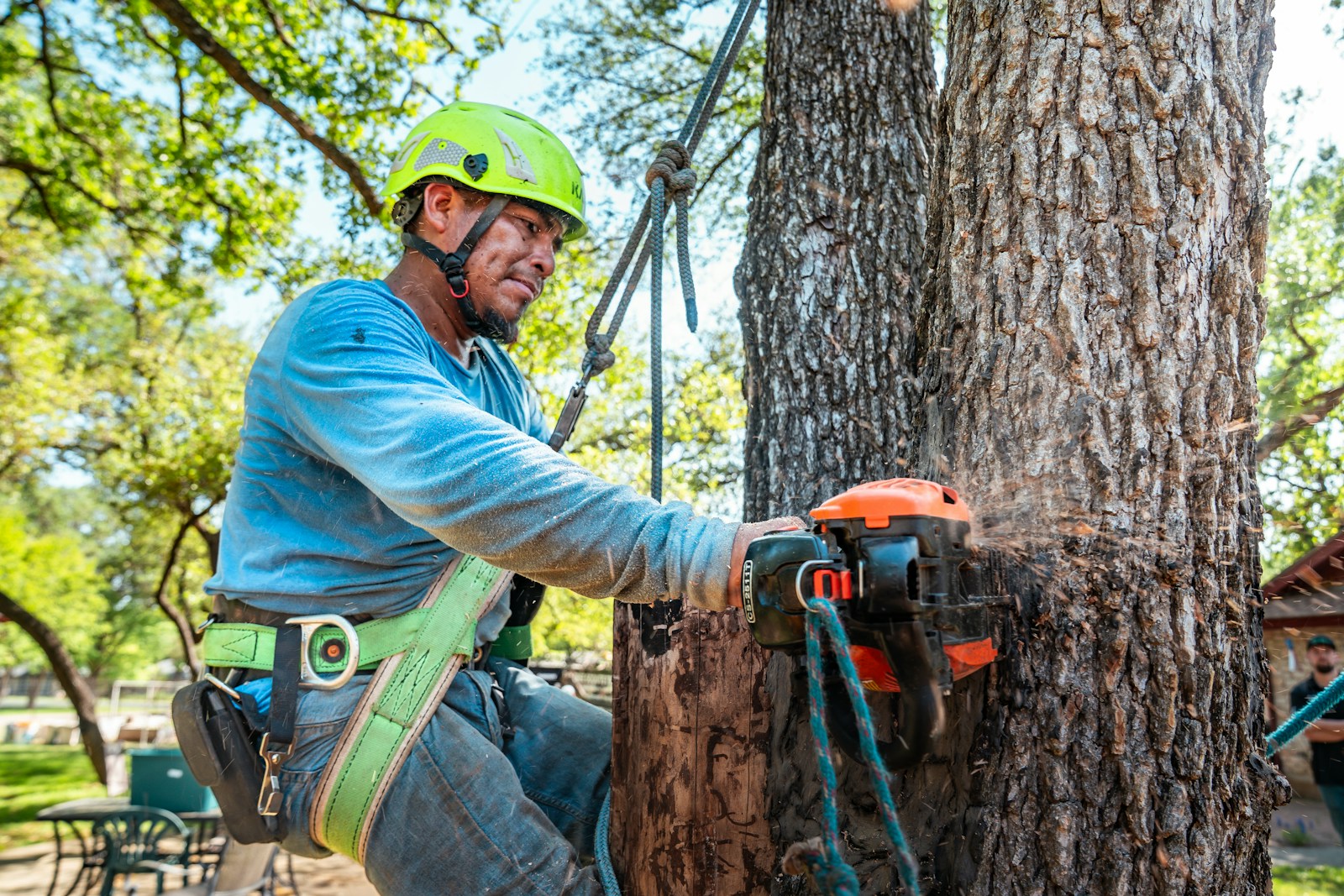
A homeowner recently found himself in an unexpected dispute when a tree removal company arrived at his property and cut down a tree he never intended to have removed. The company insisted they followed the address exactly as provided, but the homeowner was left staring at the wrong tree lying on his ground while the one he actually wanted removed remained standing.
When a tree removal company cuts down the wrong tree on a property, the homeowner may be entitled to compensation for the value of the tree that was wrongfully removed, and the situation often involves questions about liability, insurance coverage, and whether the mistake resulted from miscommunication or negligence. Tree disputes between neighbors and contractors are more common than many people realize, but this case raises particular questions about what happens when the company claims they did nothing wrong.
The incident highlights how quickly a routine tree removal can turn into a legal headache. The homeowner now faces the reality of an irreplaceable tree gone from his yard and a company that maintains they simply followed instructions, leaving questions about who bears responsibility and what recourse exists when contractor mistakes result in trees being removed that weren’t supposed to be touched.
What Happens When a Tree Removal Company Cuts Down the Wrong Tree
When tree removal companies make mistakes with addresses or property boundaries, homeowners face immediate damage and complicated questions about liability. The mix-up often stems from miscommunication, unclear property lines, or simple human error during job scheduling.
Understanding How Mistakes Happen in Tree Removal
Tree removal companies sometimes cut down the wrong tree due to address confusion or poor communication within their crew. Cases have occurred where companies mistakenly removed trees on another street with the same street number, leading to situations where workers show up at the correct address but select the wrong tree on the property.
Workers may also misinterpret which tree the homeowner marked for removal, especially on larger properties with multiple trees. The person who initially assessed the job might not be the same crew member handling the actual removal. This disconnect creates opportunities for errors when instructions aren’t clearly documented or communicated.
Contractor mistakes happen when hired workers remove trees outside the agreed scope or on the wrong property entirely. Some companies rely on written work orders while others use verbal instructions, increasing the chance of misunderstanding. Digital mapping tools and GPS technology help reduce these errors, but not all tree removal services use modern tracking systems.
The Importance of Knowing Your Property Line
Property line disputes complicate tree removal situations significantly. Homeowners sometimes discover their property boundaries differ from what they assumed, especially in older neighborhoods without clear markings.
Neighbors occasionally overstep by cutting down trees they believe are on their land or because the trees block their view, creating conflicts that require legal resolution. Tree removal companies can inadvertently make these situations worse if they don’t verify property lines before starting work.
Survey stakes and property documents help establish exact boundaries, but many homeowners never obtain professional surveys. When tree removal crews arrive, they typically rely on the homeowner’s guidance about which trees belong to the property. This trust-based system breaks down when property line assumptions prove incorrect.
Common Tree Removal Contracts and Miscommunications
Written agreements between homeowners and tree removal companies should specify which trees need removal, but gaps in documentation lead to costly mistakes. The perpetrator may simply misjudge the property line incorrectly or instruct a tree removal company erroneously, leaving both parties frustrated when the wrong tree comes down.
Contracts that include tree identification tags, photographs, or detailed location descriptions reduce misunderstandings. Many companies still operate with basic work orders listing only the address and general tree descriptions like “large oak in backyard.” This vague language creates problems on properties with multiple similar trees.
The timeline between initial consultation and actual removal can span weeks or months. Tree characteristics change seasonally, making visual identification harder for crews who didn’t conduct the original assessment.
Legal Options and Next Steps After a Wrongful Tree Cutting
When a tree removal company mistakenly cuts down the wrong tree, the homeowner faces potential claims under timber trespass laws and may pursue compensation through the company’s insurance or legal action.
Timber Trespass: When Tree Cutting Becomes a Legal Issue
Timber trespass occurs when someone removes or damages trees on a property without the owner’s permission. In this case, the company’s error transformed a routine job into a potential legal violation. The homeowner didn’t authorize removal of that particular tree, making it an unauthorized taking of his property.
Contractor mistakes represent one of the most common timber trespass scenarios. These situations typically arise when workers remove trees outside the agreed scope or on the wrong property entirely. The company’s claim that they followed the address exactly doesn’t necessarily absolve them of liability if they damaged the wrong tree on the correct property.
Property owners who discover wrongful tree cutting should document everything immediately. Photos of the stump, surrounding area, and any equipment or vehicles help establish what happened. The homeowner needs to note when he discovered the issue and gather any communications with the company about the job.
Recovering Damages for Tree Loss and Property Impact
The value of a wrongfully cut tree often exceeds what people expect. Mature trees can be worth thousands of dollars, and some states award double or triple damages for intentional tree cutting under statutory penalties.
An arborist assessment becomes critical evidence in these cases. The professional evaluation determines the tree’s value, replacement costs, and any impact on property value. This documentation supports damage calculations whether the homeowner negotiates with the company or pursues legal action.
Tree damage claims may include compensatory damages covering the tree’s value, replacement costs, or loss in property value. The homeowner could also claim for loss of shade, privacy, or environmental benefits the tree provided. Time limits apply though, with most states setting statutes of limitations between two to six years for property damage claims.
Navigating Tree Laws and Insurance Claims
The tree removal company’s insurance likely covers contractor errors and property damage. The homeowner can file a claim against their liability policy for the mistaken tree removal. Insurance companies typically investigate whether the damage resulted from negligence or simple error.
The perpetrator’s homeowner’s insurance policy may provide compensation when trees are cut due to someone’s mistake or accident, including negligent conduct. In this situation, the company’s commercial general liability insurance would be the relevant policy.
Property line verification helps establish the facts. Even though the wrong tree was cut on the correct property, confirming boundaries through surveys or deeds prevents the company from claiming confusion about property limits. The company’s defense that they followed the address exactly suggests they acknowledge being on the right property but selecting the wrong tree for removal.
Leave a Reply