A homeowner discovered a frightening reality when his smoke detector activated during a routine cooking session: he couldn’t hear the alarm at all. The incident served as an unexpected wake-up call about the dangers people with hearing loss face in their own homes, particularly when standard safety devices rely on high-pitched sounds that many with hearing impairment cannot detect.
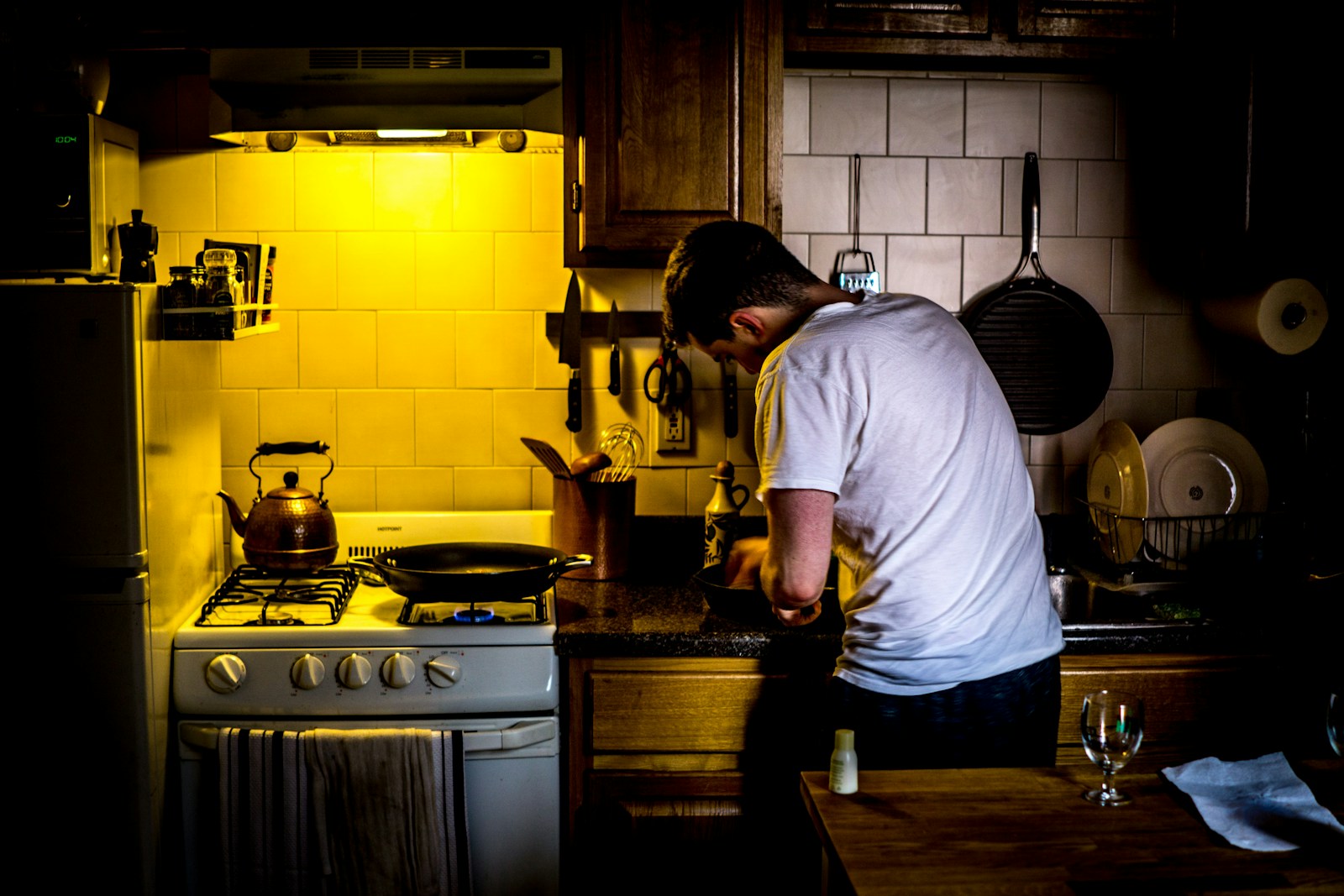
People with hearing loss often cannot hear traditional smoke alarms, especially the high-frequency sounds most detectors emit, putting them at significantly higher risk during home fires. This homeowner’s experience while cooking highlighted a problem that affects millions of Americans who may not realize their hearing loss has progressed to the point where they can no longer rely on standard safety equipment.
The discovery raises important questions about how common this situation might be and what options exist for those who find themselves in similar circumstances. His story sheds light on the specific challenges hearing-impaired individuals face with fire safety and the specialized alarm systems designed to address these risks.
The Risks for Homeowners With Hearing Loss When Smoke Alarms Go Off
People with hearing loss face significant dangers when smoke alarms activate, particularly because standard detectors emit sounds that many can’t detect. The issue becomes more serious at night when hearing aids are removed.
How Hearing Loss Can Make Smoke Alarms Ineffective
Standard smoke alarms present a real problem for people with hearing loss. A working smoke alarm might sound loud to someone with normal hearing, but for those with hearing impairment, the alarm could be completely inaudible. The homeowner who discovered he couldn’t hear his smoke detector while cooking experienced what thousands of others face daily.
People with hearing loss are at a higher risk during fires because they simply can’t rely on traditional alarm sounds. An audiologist from Nevada explained that some alarms only produce high-frequency sounds, and many don’t generate alarms loud enough for people with severe to profound hearing loss to detect. The situation becomes particularly dangerous because the person might not realize their hearing loss has progressed to the point where they can’t hear the alarm until an actual emergency occurs.
High-Frequency vs. Low-Frequency Alarm Sounds
Most smoke alarms produce high-pitched sounds that create specific challenges for those with sensorineural hearing loss. This type of hearing loss typically affects high-frequency hearing first, which means the very sounds designed to save lives become impossible to hear.
Standard fire alarm sounds fall into the frequency range that people with hearing loss struggle to detect. The NFPA recommends that older adults and people who are hard of hearing use devices that emit mixed, low-pitched sounds instead. The difference between high and low frequencies can literally mean the difference between hearing a warning and sleeping through a fire.
Many homeowners don’t realize their hearing loss affects their ability to hear alarms until they experience what the homeowner in this story did—standing near an activated detector and hearing nothing.
Nighttime Danger: Sleeping Without Hearing Aids
Sleeping creates the most dangerous situation for people with hearing loss. Most people remove their hearing aids before bed, which means they lose whatever amplification helped them hear during the day.
Nighttime presents a particularly high-risk period when fires can spread quickly while occupants sleep. A person who struggled to hear their smoke alarm while awake and wearing hearing aids has virtually no chance of hearing it while asleep without them. The homeowner’s experience during cooking raised an obvious question: what would happen if a fire started while he was sleeping?
Standard audible alarms simply don’t work for this population during sleeping hours. The combination of hearing loss and removed hearing aids creates a situation where even the loudest alarm might not wake someone up.
Why False Alarms Are Especially Problematic for Those With Hearing Loss
False alarms create a unique problem for people with hearing loss that goes beyond simple annoyance. When someone can’t hear their smoke alarm, they might not realize it’s going off during a false alarm triggered by cooking or steam.
The homeowner discovered his hearing loss issue only because his alarm went off during cooking—a common cause of false alarms. Without this false alarm, he might never have known he couldn’t hear the detector until facing a real emergency. Family members or neighbors might hear the alarm and alert the person, but if someone lives alone, they could remain completely unaware that their alarm system activated.
False alarms also prevent people from conducting the regular hearing tests they need on their alarm systems. If someone can’t hear the alarm during a test, they need alternative alerting devices immediately.
Choosing and Maintaining Smoke Alarms for Hearing Loss
Many homeowners with hearing loss discover their standard smoke detectors are inadequate only when it’s too late, prompting them to explore specialized alarm systems that use visual and tactile alerts instead of relying solely on sound. The experience often leads people to investigate options like strobe lights, bed shakers, and low-frequency alarms that can actually reach them during emergencies.
Best Types of Smoke Detectors for Hearing Impairment
Standard smoke detectors emit high-pitched sounds between 3000-4000 Hz, which fall in the frequency range most affected by hearing loss. People with moderate to severe hearing impairment typically can’t detect these conventional alarms, especially while sleeping.
Low-frequency alarms operating at 520 Hz penetrate the auditory system more effectively than standard high-pitched models. These deeper tones work better for individuals with age-related hearing loss or high-frequency hearing impairments.
Both photoelectric sensors and ionization sensors remain effective for detecting smoke regardless of the alert type used. The sensor technology doesn’t change based on hearing needs—it’s the notification method that matters. Homeowners need to focus on how they’ll be alerted rather than which detection method the device uses.
Many manufacturers including Kidde, BRK Electronics, and Gentex Corporation now produce alarms specifically designed for people with hearing loss. These devices often combine multiple alert types in one unit.
Smart Alarms, Strobe Lights, and Vibrating Alerts
Smart smoke detectors connect to home networks and send notifications directly to smartphones, ensuring alerts reach homeowners even when they’re away from home. These devices integrate with Amazon Alexa, Google Home, and Apple HomeKit to provide multiple notification pathways.
Strobe lights must meet specific brightness standards to work effectively. Wall-mounted strobes need at least 110 candela of light intensity, while ceiling-mounted units require 177 candela. The flashes need to be bright enough to alert people from adjacent rooms or penetrate closed eyelids during sleep.
Vibrating alarms and bed shakers convert smoke alarm signals into powerful tactile alerts. These devices slide under mattresses or attach to bed frames, vibrating at frequencies between 100-250 Hz to wake even deep sleepers. Wireless models offer flexible placement up to 100 feet from the main unit, while wired options provide more reliable connections without battery concerns.
Interconnected alarms create comprehensive safety networks where one triggered detector activates all connected devices simultaneously. These systems can link up to 18 units wirelessly or through hardwired connections, ensuring strobe lights, bed shakers, and auditory alarms all trigger together throughout the residence.
Preventing False Alarms While Cooking
A dirty smoke detector often triggers false alarms during cooking because dust, grease, and cooking particles accumulate on the sensors over time. Photoelectric sensors can be particularly sensitive to steam and cooking smoke, leading to frequent nuisance activations.
The silencing feature on many modern smoke detectors allows homeowners to temporarily quiet false alarms without disconnecting the device. However, people with hearing loss might not realize their alarm has activated in the first place, making this feature less useful for them.
Advanced sensors incorporate better discrimination between actual fire smoke and cooking-related particles. Some models use dual-sensor technology that requires both photoelectric and ionization sensors to detect specific patterns before triggering an alarm.
Installing smoke detectors at least 10 feet away from cooking appliances reduces false alarms significantly. Homeowners should avoid placing detectors directly above stoves or near bathroom doors where steam might trigger the sensors.
Proper Maintenance and Testing of Your Smoke Detector
Battery replacement schedules vary by model, but most smoke detectors require new batteries at least once a year. Some newer models feature 10-year sealed batteries that last the entire life of the detector.
Testing smoke detectors monthly ensures they’re functioning properly, but people with hearing loss need to verify all alert types work—not just the audible alarm. They should check that strobe lights flash correctly, bed shakers vibrate with appropriate strength, and smart notifications reach their phones.
Recognized testing laboratories certify smoke detectors to ensure they meet safety standards. Homeowners should look for UL (Underwriters Laboratories) or ETL (Intertek) listings on any smoke detector they purchase.
Smoke detectors have a lifespan of about 10 years regardless of whether they use replaceable or sealed batteries. The sensors degrade over time, making older units less reliable at detecting smoke. People often forget to replace the entire unit, focusing only on battery changes.
Retailers like Menards carry various smoke detector options, though specialized models for hearing loss might require ordering from specific manufacturers. ADA laws require certain public buildings to install accessible smoke alarms, but private residences don’t face the same requirements—making it the homeowner’s responsibility to ensure adequate protection.
More from Willow and Hearth:
Leave a Reply