A homeowner is facing a frustrating situation after his expansive 5,500 square foot concrete driveway began deteriorating after only three winters. What should have been a durable surface that lasted decades has instead turned into a crumbling mess, leaving him searching for answers about what could have gone so wrong so quickly.
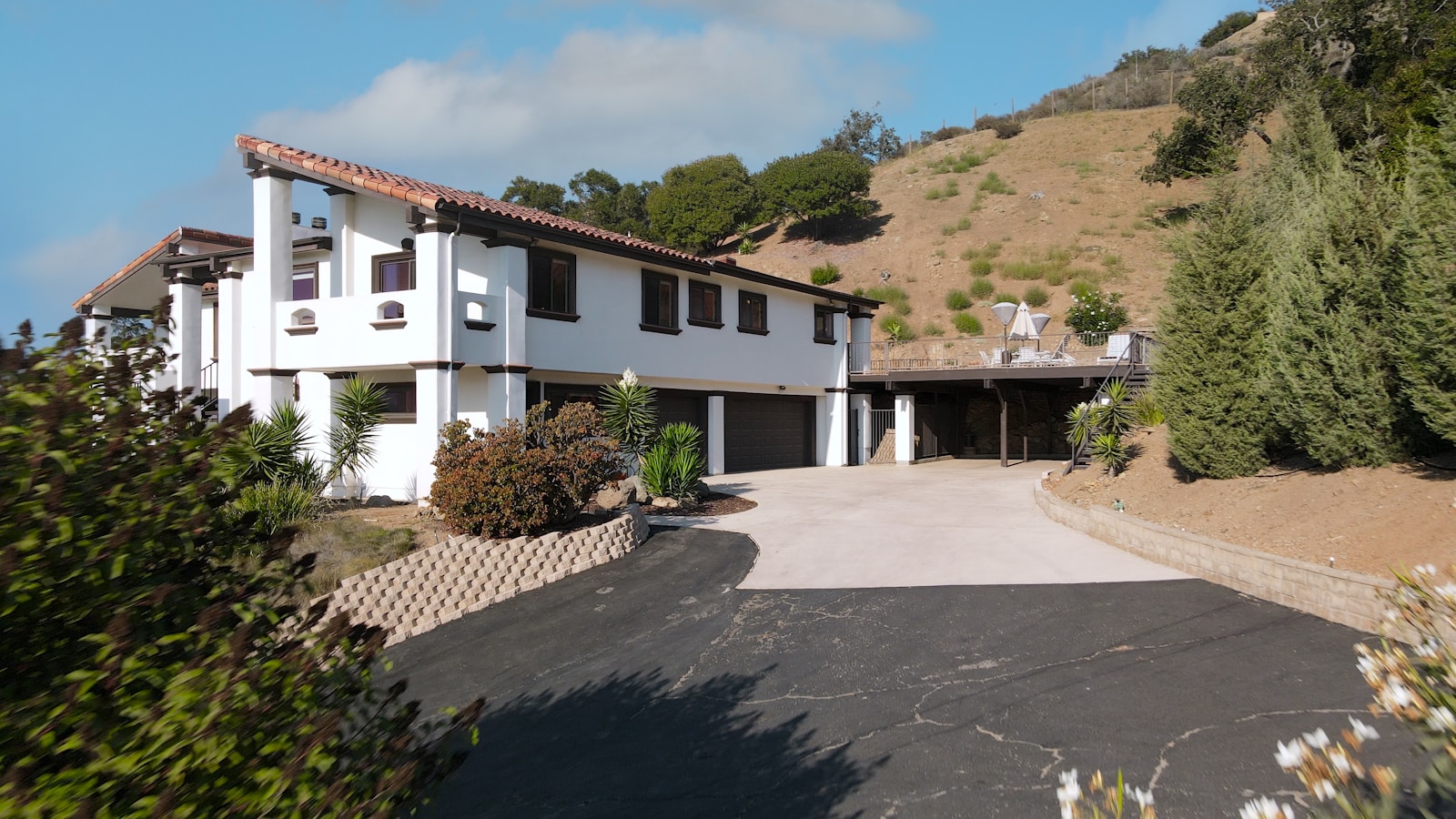
The rapid deterioration suggests problems that likely stem from poor installation practices, substandard materials, or inadequate preparation of the base before the concrete was poured. Freeze-thaw cycles can cause water to seep into cracks, freeze, expand, and break concrete apart, but typically this process takes years to cause significant damage. When a driveway fails this fast, it points to deeper issues with how it was constructed.
The homeowner’s experience highlights a costly reality many property owners face when concrete work isn’t done right the first time. Understanding what caused this premature failure and exploring potential repair options could help him determine whether the driveway can be salvaged or if a complete replacement is the only viable solution.
Why Did This Concrete Driveway Start Crumbling So Fast?
When a brand-new concrete driveway starts falling apart after only three winters, something clearly went wrong during installation or the concrete itself wasn’t up to the job. The homeowner is now dealing with surface damage that typically takes decades to develop, not just a few years.
Common Symptoms of Crumbling Concrete Driveways
The homeowner noticed several warning signs appearing on his 5,500 square foot driveway. Surface cracks started showing up first, appearing as thin lines that gradually widened into spider web patterns across multiple sections.
Flaking became another major issue, with the top layer of concrete peeling away in chunks. This type of damage, called spalling, exposed the aggregate underneath and created an increasingly rough surface.
Uneven surfaces developed as some areas began settling differently than others. The driveway also started retaining water in low spots instead of draining properly, which made the deterioration worse with each rainfall and freeze.
Visible damage included:
- Multiple cracks ranging from hairline to quarter-inch wide
- Flaking and pitting across high-traffic areas
- Discoloration in affected zones
- Rough, deteriorating surface texture
Freeze-Thaw Cycles and Winter Weather Damage
The three harsh winters took a serious toll on the concrete driveway. Water seeped into small cracks and pores in the concrete, then expanded when temperatures dropped below freezing at night.
This expansion created pressure inside the concrete that it couldn’t handle. Freeze-thaw damage accounts for 80% of concrete deterioration in colder climates, making it one of the most destructive forces concrete faces.
Each freeze-thaw cycle weakened the concrete’s internal structure a little more. After three winters of repeated freezing and thawing, the cumulative damage became visible as the surface started crumbling away.
The homeowner’s driveway likely went through dozens of these cycles each winter. Morning temperatures might freeze standing water, afternoon sun would melt it, then evening cold would freeze it again.
Concrete Mix Quality and Installation Mistakes
The rapid deterioration suggests problems started before the concrete ever hardened. Poor installation practices can lead to strength loss of up to 30% within five years.
The concrete mix itself might have contained too much water, which weakens the final product significantly. Contractors sometimes add extra water to make concrete easier to pour and spread, but this compromises long-term durability.
Base preparation issues could be another culprit. If the contractor didn’t properly compact the soil or add enough gravel underneath, the concrete would lack proper support from day one.
Minor repairs can cost $2 to $5 per square foot, but the homeowner’s extensive damage might require more serious intervention. The timing of the pour matters too – concrete poured in cold weather or during temperature swings often develops problems faster than concrete poured in ideal conditions.
Effective Solutions and Long-Term Repair Options
When a concrete driveway starts crumbling after only three winters, homeowners face a critical decision between attempting repairs or investing in complete replacement. The choice depends on damage severity, available materials, and whether surface treatments can restore structural integrity.
Assessing Damage: Is Repair or Replacement Needed?
For this homeowner’s 5,500 square foot driveway, the first step involves examining crack width and depth throughout the entire surface. Cracks wider than half an inch typically signal serious structural issues that might extend beyond simple patching.
He needs to check for spalling, which appears as flaking or chipping on the concrete surface. If more than 30% of the driveway shows significant deterioration, replacement often makes more financial sense than repair.
Settlement patterns matter too. Sections that have sunk or developed uneven surfaces indicate soil problems underneath. The homeowner should look for pooling water, which suggests drainage failures that contributed to the premature deterioration. Professional driveway repair costs run between $3 to $8 per square foot for fixing crumbling concrete, meaning his large driveway could require substantial investment either way.
Repair Tools, Materials, and Safety Prep
The homeowner gathered his supplies, starting with a concrete patch for filling the larger damaged areas. He picked up concrete crack filler for the narrower fissures and a resurfacing compound to coat the entire surface once repairs were complete.
His tool collection included a pressure washer to clean debris from cracks, a trowel for smoothing patching compound, and a mixing paddle to blend materials properly. He made sure to grab safety goggles before starting any work.
A bonding agent sits on his workbench, essential for helping new concrete adhere to old surfaces. Without it, patches often fail within months. He also purchased a concrete sealer to apply after everything cured, though he wondered if sealing alone could have prevented his driveway’s rapid decline. The concrete resurfacer he selected promises to cover surface imperfections across the entire 5,500 square feet, assuming the underlying structure remains sound enough to support it.
Step-by-Step Resurfacing and Patching Methods
He started by power washing the entire driveway, blasting away loose concrete and dirt that had accumulated in the cracks. The pressure washer revealed even more damage than he initially noticed.
Concrete patching required him to widen cracks into V-shapes using a chisel, creating better surfaces for the patching compound to grip. He mixed the concrete patch according to package directions, working it deep into each crack with his trowel.
For areas with extensive crumbling, he applied bonding agent first, then pressed patching compound firmly into the voids. Each section needed 24 to 48 hours to cure before he could move to the next phase. The resurfacing compound went on last, spread in thin layers across the entire surface to create a uniform appearance. He questioned whether these repairs would last another three winters or if he’d wasted money on a driveway that needed complete replacement from the start.
More from Willow and Hearth:
Leave a Reply