A young homeowner’s dream of updating his 1965 house has turned into a financial nightmare, leaving him buried under $100,000 in renovation debt and questioning whether selling is his only escape route. What started as an ambitious project to modernize the vintage property quickly spiraled out of control as unexpected costs piled up and the budget became a distant memory.
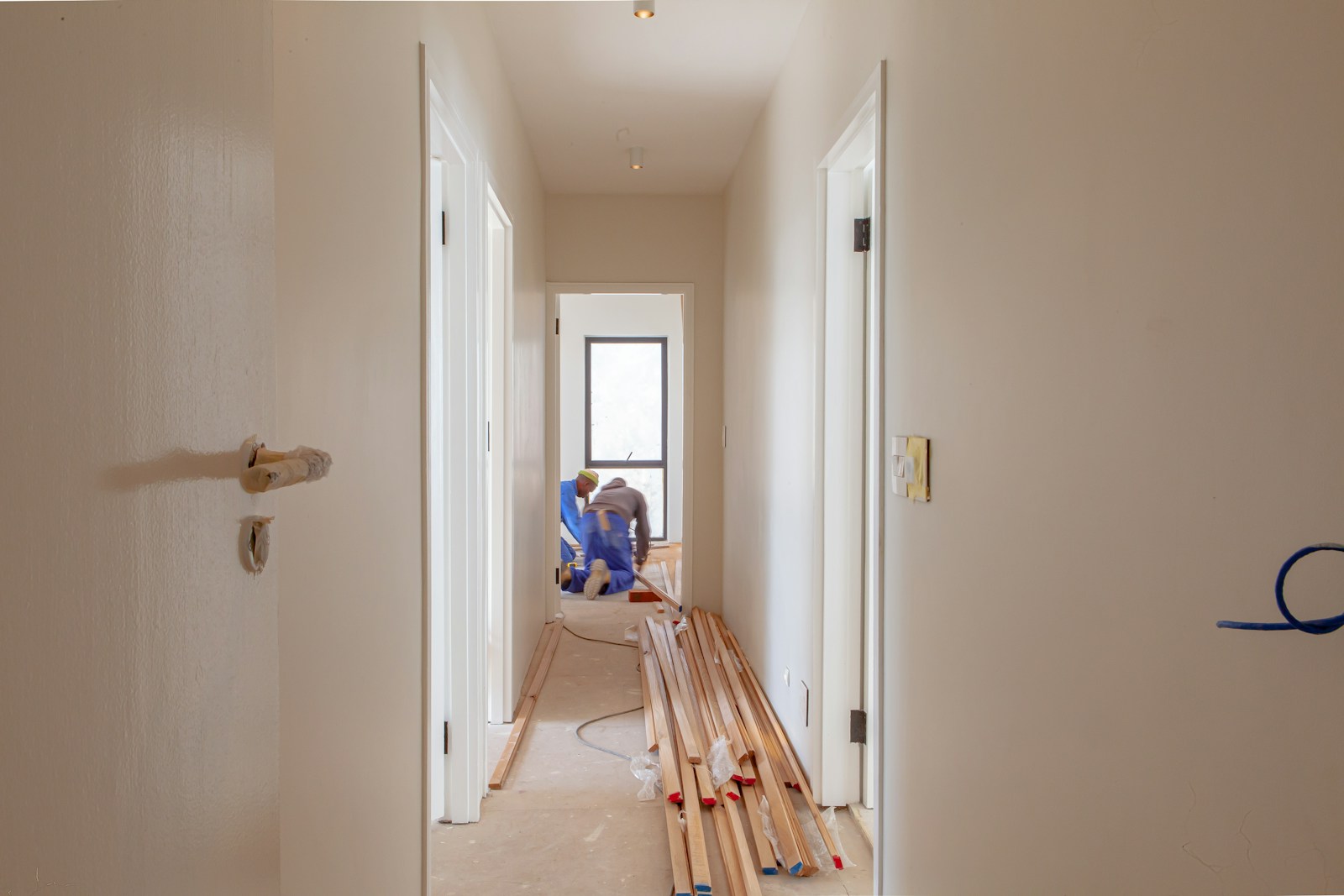
The situation reflects a growing trend among homeowners who underestimate renovation expenses, with nearly 80% going over budget on their last project and two-thirds taking on debt to complete the work. This particular case stands out for the sheer scale of financial strain, as the homeowner now grapples with whether to cut his losses or find another path forward.
The story illustrates how homeowners can end up deeply in debt from renovation projects that seem manageable at first. His experience raises questions about the true cost of bringing older homes up to modern standards and what options remain when renovation expenses crush monthly budgets.
How a 1965 Home Renovation Led to Massive Debt
The homeowner purchased his 1965 property with plans for modest updates, but the project quickly spiraled beyond his original estimates. What started as straightforward improvements uncovered structural issues and outdated systems that demanded immediate attention, pushing costs far beyond the initial budget.
Unexpected Costs and Budget Overruns
The young homeowner initially budgeted for cosmetic updates to his 1965 house. Once walls came down, he discovered electrical wiring that didn’t meet current code, plumbing that needed complete replacement, and asbestos insulation requiring professional removal.
The original quote he received doubled before the first phase finished. Nearly 80% of homeowners went over budget on their last renovation, with many spending $5,000 to $10,000 more than anticipated.
His contractor found additional problems during each phase of work. The foundation needed repairs. The roof structure showed water damage. The HVAC system was decades past its useful life and had to be replaced entirely rather than updated.
He kept approving change orders, believing each would be the last major expense. The costs accumulated faster than he could track them.
Financing the Renovation and Accumulating Debt
He started with a $30,000 home equity line of credit. When that ran out halfway through the project, he opened multiple credit cards with promotional interest rates. The debt climbed to $100,000 before he realized stopping wasn’t an option anymore.
Two-thirds of homeowners went into debt to fund home improvement projects, and this homeowner fell into the same trap. He couldn’t leave the work unfinished without making the house unlivable or unsellable.
The promotional rates on his credit cards expired. Interest charges added hundreds of dollars to his monthly obligations. He refinanced some balances but still carried high-interest debt he couldn’t pay down quickly enough.
Impact of Renovations on Property Value
The homeowner assumed his extensive renovations would significantly boost his property value. He updated the kitchen, remodeled both bathrooms, and replaced all major systems. But appraisers didn’t value the improvements as highly as he expected.
His neighborhood’s comparable sales limited how much equity he gained. Even with modern updates, the house still sat on the same lot in the same area as before. The local market hadn’t appreciated enough to offset his $100,000 investment.
He discovered that major kitchen remodels typically recoup only about 38% of their cost at resale. His bathroom renovations and system upgrades added value, but not dollar-for-dollar returns on what he spent.
Emotional and Lifestyle Consequences
The homeowner lives with constant financial stress from the debt load. His monthly payments consume most of his discretionary income. He can’t save for other goals or handle unexpected expenses without adding to credit card balances.
Nearly half of homeowners say they liked their house more before remodeling, and he relates to that sentiment. The renovated spaces remind him of the debt rather than bringing satisfaction. He questions whether the updated finishes were worth the financial burden.
He now debates selling to escape the debt, even though he’d lose money on the transaction after closing costs and realtor fees. Staying means years of aggressive debt repayment while building equity slowly.
Is Selling the Only Way Out? Exploring Alternatives
For a homeowner drowning in $100,000 of renovation debt from a 1965 house, the decision isn’t straightforward. The real estate market in 2026 presents both opportunities and risks, while alternative strategies could potentially salvage the situation without walking away from the property.
Evaluating the Pros and Cons of Selling
Selling the house would immediately resolve the debt burden, especially if the bathroom remodel and kitchen remodel added sufficient property value to cover what’s owed. The homeowner could walk away clean if the upgrades pushed the home’s worth above the combined mortgage and renovation debt. However, transaction costs eat into proceeds—real estate commissions typically run 5-6% of the sale price, plus closing costs.
The timing matters considerably. Whether selling now makes sense depends heavily on local market conditions, which vary widely across different regions. If the neighborhood has appreciated significantly since 1965, the sale could work out favorably. But if he sells at a loss or barely breaks even, he’s lost both his investment and his home.
There’s also the emotional weight of admitting defeat on a renovation project. He’d be giving up on the vision that led to the debt in the first place.
Comparing Staying Versus Selling in Today’s Market
The 2026 housing market presents unique challenges for someone in this position. Interest rates and buyer demand fluctuate, affecting how quickly homes move and at what price. If his renovated 1965 house sits on the market for months, he’ll continue paying the mortgage plus debt service while waiting.
Staying put means continuing to service that $100,000 debt, but it also means potential future appreciation. The property value could climb enough over time to justify the financial pain. The completed bathroom remodel and kitchen remodel should make the home more livable and potentially more valuable down the line.
Alternative selling methods like cash buyers offer speed over price, sometimes closing in just a week, but typically at a discount.
Other Solutions: Refinancing, Renting, or DIY Upgrades
Refinancing could consolidate the renovation debt into a new mortgage with lower monthly payments, though qualifying with $100,000 in additional debt might prove difficult. Some lenders might look favorably on the increased property value from the kitchen remodel and bathroom remodel.
Converting the home into a rental property represents another path forward. He could rent out the renovated house and move somewhere cheaper, using rental income to cover the mortgage and chip away at the debt. Platforms like Airbnb or VRBO might generate higher returns than traditional long-term leases, depending on location.
He could also halt any remaining renovation work and finish projects himself over time rather than hiring contractors. This slower approach won’t eliminate existing debt but prevents it from growing further while he figures out his next move financially.
More from Willow and Hearth:
Leave a Reply