A simple backyard upgrade turned into a neighborhood battleground when one homeowner’s new pergola installation blocked their neighbor’s cherished sunset view. What started as an exciting renovation project quickly escalated into angry confrontations and accusations that the construction “ruined the best thing about living here.”
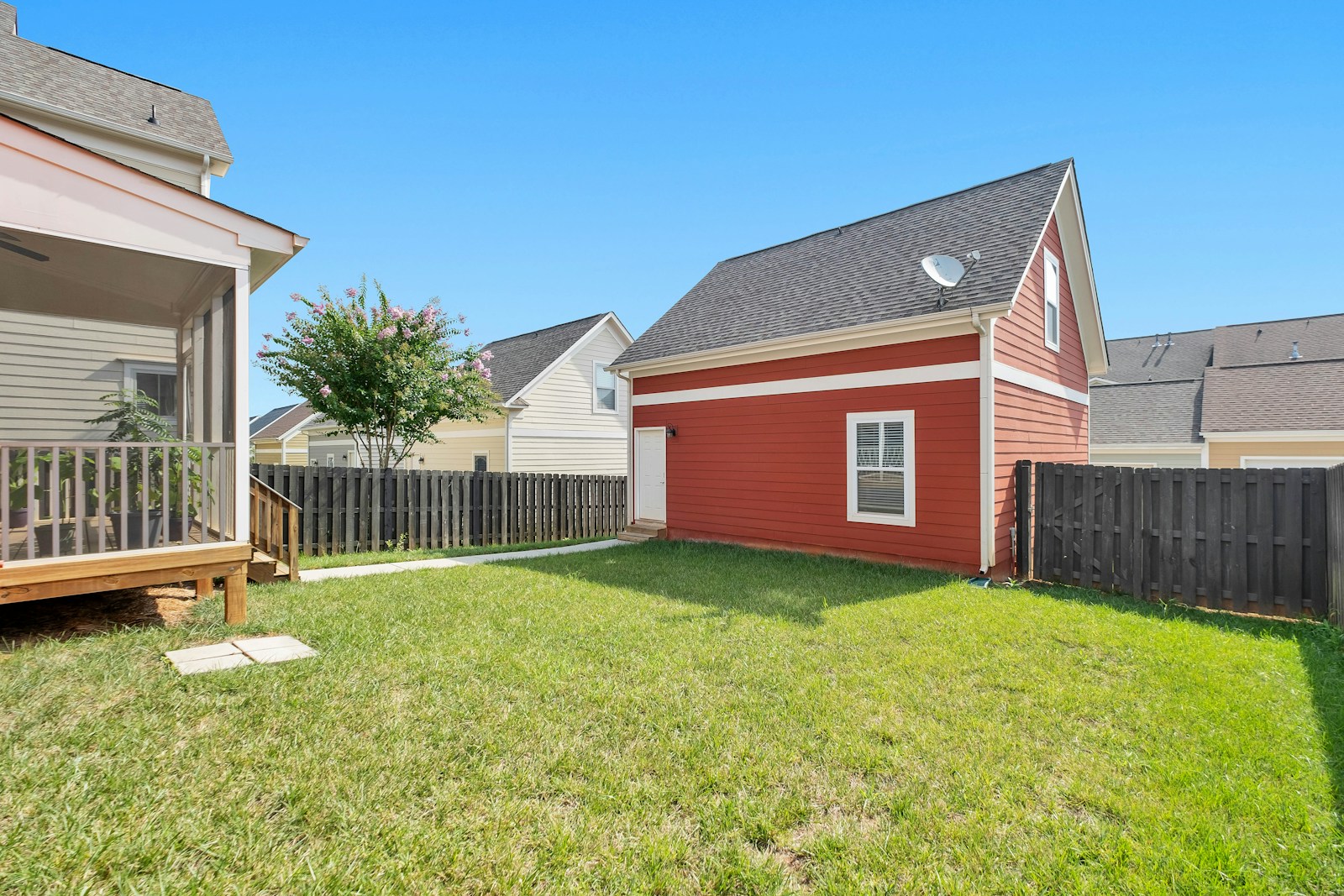
The dispute highlights how property improvements can unexpectedly affect neighboring homes, even when they’re built entirely within legal boundaries. The frustrated neighbor claims the structure completely obstructs what was once an uninterrupted view of evening sunsets from their own yard.
The conflict raises questions about how far homeowners can go with their renovations before crossing an invisible line with those living next door. Both parties now find themselves in an uncomfortable standoff, with one defending their right to improve their property and the other mourning the loss of a view they’d enjoyed for years.
How A Backyard Renovation Turned Into An Unexpected Feud
What started as a standard home improvement project quickly escalated into a neighborhood conflict when a newly installed pergola unexpectedly blocked a cherished sunset view that residents had enjoyed for years.
The New Pergola And The Blocked Sunset
The homeowner decided to upgrade their outdoor space with a large pergola structure complete with lattice panels and extended roofing. The installation took about two weeks and included support beams that stood nearly twelve feet tall.
Once construction finished, the problem became immediately apparent. The pergola’s positioning directly obstructed the western sightline that neighbors had relied on for their evening sunset views. The structure sat right at the property line, creating a solid barrier where there had previously been open sky.
The timing couldn’t have been worse, as the installation happened during early spring when the sunset position was shifting northward. What might have caused minimal obstruction in winter became a complete blockage during the most popular viewing months. The lattice work and solid roof panels created shadows that stretched across multiple neighboring properties during golden hour.
Neighbor’s Reaction: From Disappointment To Outrage
The adjacent neighbor initially approached the homeowner with a calm request to discuss potential modifications. When they were told the pergola was staying as-is, the conversation turned heated. “You ruined the best thing about living here,” the neighbor reportedly said during the exchange.
The frustration stemmed from both the visual obstruction and the lack of prior communication. The neighbor claimed they would have objected during the planning phase if given the chance. They argued that common courtesy should have prompted at least a heads-up about such a significant structure.
Other residents on the street began taking sides. Some felt the homeowner had every right to improve their property without consulting neighbors. Others sympathized with the loss of the sunset view, noting it had been a selling point for several homes in the area.
What Made The Sunset So Special To The Community
The western exposure in this particular neighborhood offered unobstructed views of the horizon, which wasn’t common in the increasingly developed area. Residents had specifically chosen homes on this street for the nightly display of colors across the sky.
Several neighbors had established evening routines around watching the sunset from their backyards or patios. One family had even positioned their outdoor furniture specifically to face west for optimal viewing. The sunsets became informal gathering times when neighbors would wave to each other while enjoying the shared spectacle.
The view had also increased property values in the area. Real estate listings for homes on the street frequently mentioned the sunset vistas as a key feature. Photography from the neighborhood often showcased the vibrant evening skies, which had become something of a local landmark among residents.
Dealing With Neighbor Disputes Over Home Improvements
Property modifications frequently create tension between neighbors, particularly when structures affect views, sunlight, or privacy. Many homeowners find themselves navigating these conflicts after construction has already begun, though the outcomes often depend on how early communication happens and whether local regulations were followed.
Handling Frustrations And Finding Common Ground
Emotions run high when someone’s daily experience of their property changes overnight. The neighbor who lost their sunset view felt their quality of life diminished, while the homeowner with the new pergola likely didn’t anticipate such a strong reaction. These situations become particularly heated when one party feels blindsided by changes they had no warning about.
Various factors lead to neighbor disputes, including different lifestyles, socioeconomic backgrounds, and cultural expectations. What one person considers a reasonable addition, another views as an intrusion. The emotional attachment people have to specific features of their property—like a cherished view—makes these conflicts more personal than typical disagreements.
Finding middle ground requires both parties to acknowledge the other’s perspective. The homeowner invested money and effort into their improvement, while the neighbor lost something they valued. Neither position is inherently wrong, which makes resolution challenging but not impossible.
Communicating Changes Before Starting Renovations
Advance notice about construction projects can prevent conflicts before they escalate. When neighbors learn about plans early, they have time to voice concerns and suggest modifications that might work for everyone. A simple conversation about the pergola’s height, placement, or design could have addressed view concerns before construction began.
Many common backyard additions can create unexpected disputes when neighbors aren’t consulted. Tall fences, structures near property lines, and installations that affect sightlines frequently trigger complaints. Sharing plans beforehand shows respect and often leads to collaborative problem-solving.
Some homeowners skip this step because they’re building within their property boundaries and meeting local codes. However, legal compliance doesn’t guarantee neighbor satisfaction, and avoiding conversation rarely makes things easier once construction finishes.
When Compromise Isn’t Possible: What Homeowners Can Do
Some disputes don’t resolve through discussion alone. The pergola situation reached a point where the angry neighbor demanded action, but the homeowner may have limited options if they followed all regulations. Property owners generally have the right to make improvements on their own land within zoning restrictions.
If the structure meets height requirements and setback rules, the affected neighbor has little legal recourse. They might file complaints with homeowners associations if applicable, but disputes over property modifications often come down to what local ordinances permit. Courts typically side with property owners who obtained proper permits and stayed within legal boundaries.
The relationship damage, however, can last for years. Even when one party “wins” legally, living next to someone who resents your presence creates ongoing tension that affects both households’ enjoyment of their properties.
More from Willow and Hearth:
Leave a Reply