A homeowner’s efforts to support local pollinators have sparked a neighborhood dispute after residents complained the garden looks like an unkempt mess. The conflict highlights a growing tension between environmental conservation efforts and traditional landscaping expectations in residential areas.
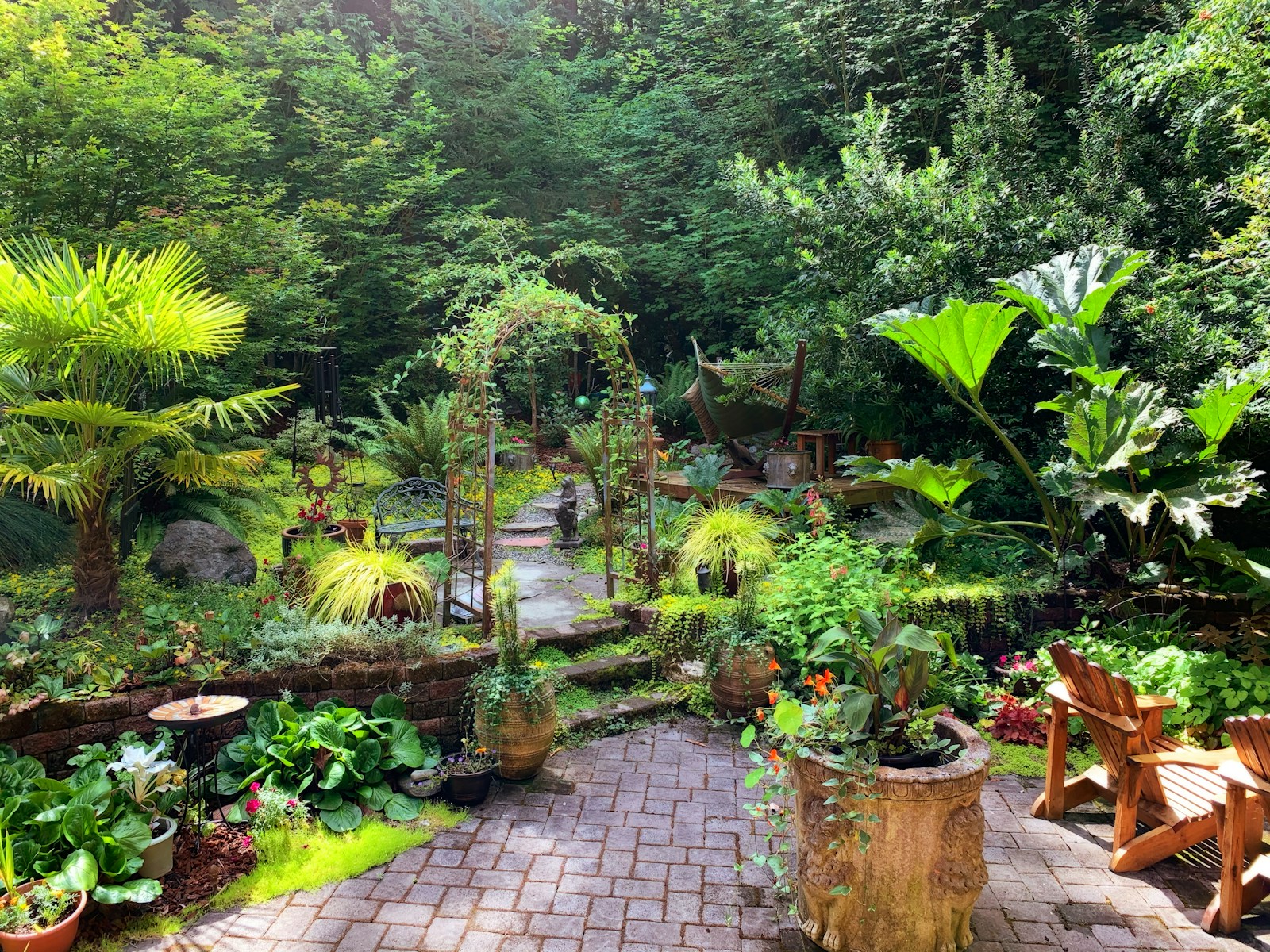
The homeowner created a native plant garden designed to attract bees, butterflies, and other pollinators, but neighbors have filed complaints calling it an eyesore that brings down property values. What one person sees as an ecological sanctuary, others view as neglected yard maintenance that violates community standards.
The dispute raises questions about how communities can balance individual property rights with environmental initiatives. The conflict has drawn attention to different perspectives on what constitutes proper yard care and whether native plant gardens deserve the same acceptance as conventional lawns.
Pollinator Garden Controversy: Homeowner vs. Neighbors
Pollinator gardens have become a flashpoint in neighborhoods across the country, with homeowners defending their eco-friendly landscapes while neighbors complain about unkempt appearances. The conflict has led to heated township meetings, legal battles, and strained relationships over what constitutes acceptable yard maintenance.
Homeowner’s Motivation for Planting a Pollinator Garden
Homeowners who plant pollinator gardens typically aim to support declining bee, butterfly, and insect populations through native plant species. These gardens provide essential food and shelter for wildlife while requiring less water and maintenance than traditional lawns.
A Howard County, MD homeowner faced persecution from her HOA after a neighbor disliked her pollinator garden. The HOA spent $100,000 on legal fees trying to force her to replace it with turf grass.
Environmental benefits drive many of these gardening choices. One Canadian homeowner who won a fight against his city explained that having biodiversity in plant life and creating a pollinator-friendly yard provides food and shelter for local wildlife.
Specific Complaints Made by Neighbors
Neighbors often describe pollinator gardens as unsightly eyesores that violate community standards. Some have left notes calling the yards trash or complaining about their messy appearance.
One homeowner received an angry note from a neighbor about their pollinator garden, highlighting how passive-aggressive strategies can escalate neighborhood tensions. In a more extreme case, a Vermont homeowner’s neighbor mowed down their carefully cultivated pollinator garden, sparking outrage online.
City violations also stem from neighbor complaints. Homeowners have faced official violations after neighbors reported their yards to local authorities for appearing unkempt.
Legal and HOA Perspectives on Natural Landscaping
Municipal ordinances and HOA rules frequently clash with natural landscaping practices. Over 100 residents attended a recent Blendon Township meeting to oppose new regulations on pollinator gardens, forcing the township to table the issue.
As these gardens grow in popularity, municipalities are rethinking existing weed ordinances. HOAs have implemented bans on pollinator gardens, leading to lawsuits challenging restrictions on eco-friendly landscaping.
The Maryland case resulted in legislative action. The situation with the Howard County homeowner led to a bill promoting native plants and protecting homeowners’ rights to maintain pollinator-friendly landscapes.
How Public Perception Shapes the Pollinator Garden Debate
The controversy around pollinator gardens centers on whether they represent eco-friendly environmental action or neighborhood eyesores. This divide reflects broader tensions between traditional landscaping expectations and environmental priorities.
Social media has amplified these disputes. Reddit posts about HOA demands regarding mailbox pollinator gardens have garnered significant attention in anti-HOA communities. Many homeowners have received angry letters from neighbors about letting native plants grow naturally.
The debate continues as communities struggle to balance aesthetic preferences with environmental concerns. What one person views as ecological stewardship, another sees as neglected property maintenance.
Finding Common Ground and Practical Solutions
Successful pollinator gardens balance ecological benefits with neighborhood aesthetics through thoughtful design choices and open dialogue between residents.
Design Tips for Creating Attractive Pollinator Gardens
The homeowner added defined edges using stone borders and mulched pathways to give the garden structure. They grouped plants in clusters rather than scattering them randomly throughout the yard, which created a more intentional look.
Native wildflowers like purple coneflower and black-eyed susans were planted in the front sections where neighbors could see them clearly. The taller, less manicured plants like milkweed were positioned toward the back of the garden.
A small handmade sign explaining the garden’s purpose was placed near the sidewalk. The homeowner also maintained a traditional mowed lawn strip along the property line to provide visual separation from neighboring yards.
Regular maintenance included deadheading spent blooms and removing any plants that spread beyond designated areas. This approach helped the garden look cultivated rather than abandoned.
Communication Strategies With Neighbors
The homeowner spoke directly with the two neighbors who filed complaints about the garden. They explained which specific plants attracted butterflies and bees and offered to adjust the garden’s boundaries if certain areas were particularly bothersome.
One neighbor was invited to walk through the garden to see the pollinators up close. The homeowner showed them monarch caterpillars on milkweed plants and explained the insects’ declining populations.
After the conversation, that neighbor became more supportive and stopped complaining to the township. The other neighbor remained unconvinced but agreed to a compromise where the homeowner would trim plants that grew taller than four feet.
Highlighting Environmental Benefits of Pollinator Gardens
The homeowner shared data from local environmental groups showing that native bee populations had declined by 25% in their region over the past decade. They posted information on a neighborhood social media page about how pollinator gardens support local ecosystems.
Local schools began using the garden for educational field trips about native plants and insects. This visibility helped other residents understand the garden’s purpose beyond appearance.
The township received three requests from other homeowners wanting to create similar gardens after learning about the environmental benefits. Two neighbors on the same street started planting native flowers in portions of their own yards.
More from Willow and Hearth:
Leave a Reply