A homeowner found herself at the center of an unexpected dispute when her neighbor confronted her with a serious allegation: her cat was killing birds in his garden. The neighbor demanded she keep the pet indoors, sparking a heated exchange that highlights a common source of tension between pet owners and their surrounding community.
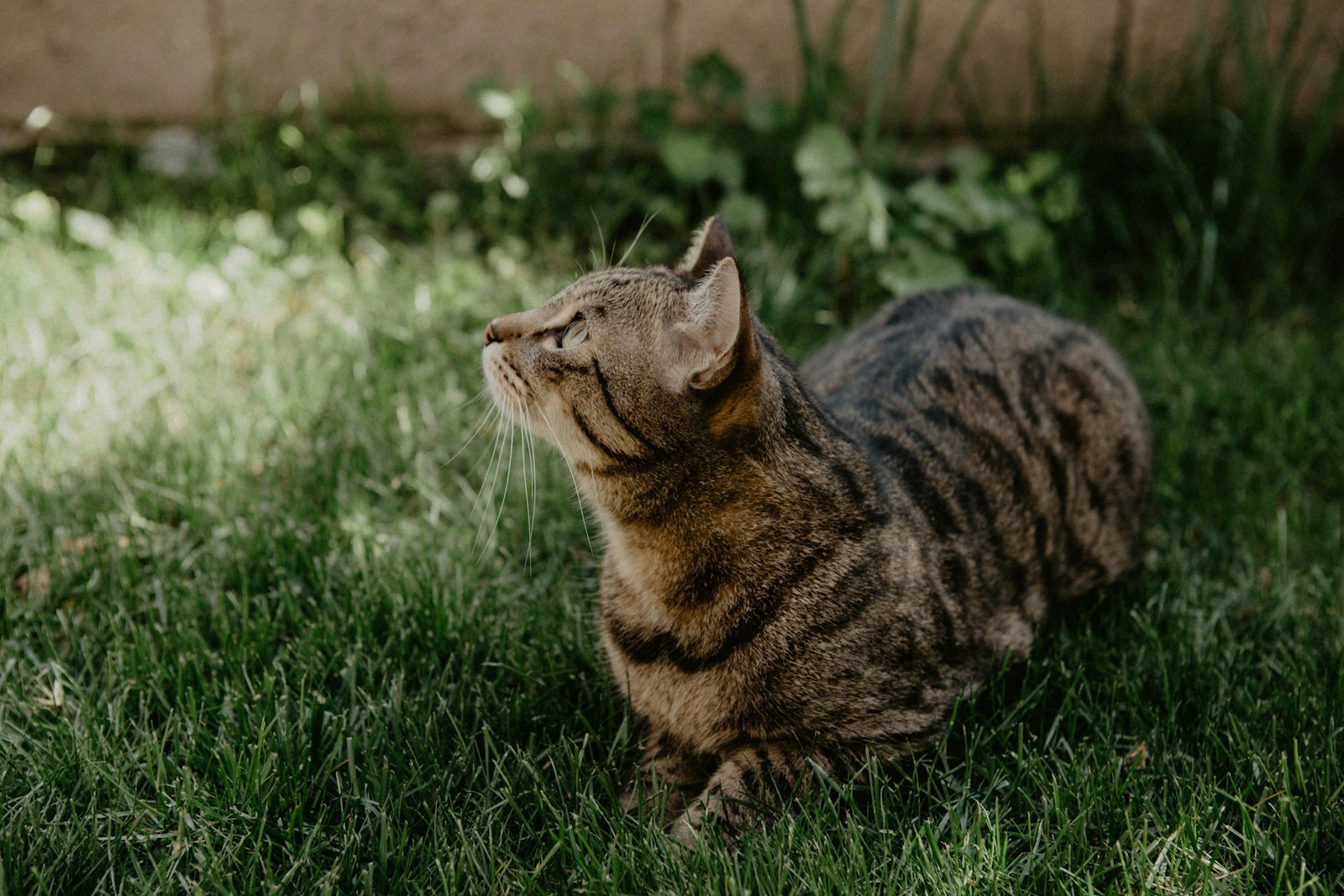
The conflict escalated when the neighbor claimed the cat had been repeatedly hunting wildlife on his property, leading him to take matters into his own hands by attempting various deterrent methods. The homeowner was taken aback by both the accusation and the aggressive approach her neighbor took in addressing the situation.
This confrontation reflects a broader debate about outdoor cats and their impact on local ecosystems. The disagreement touches on questions of property rights, pet ownership responsibilities, and the protection of backyard wildlife that many homeowners work hard to attract and preserve.
The Neighbor’s Accusation: Exploring the Conflict
When a neighbor points a finger at someone’s pet, the confrontation can quickly escalate from a simple complaint into a full-blown dispute that strains relationships and tests patience. The accusation that a cat is responsible for killing birds in someone’s garden represents a common but divisive issue that pits pet owners against wildlife advocates.
How the Allegation Unfolded
The neighbor approached the homeowner with a direct accusation that her cat was killing birds in his garden. He demanded she keep the animal inside permanently. The homeowner was shocked by the confrontation, especially since she hadn’t witnessed any evidence of her cat harming wildlife.
The neighbor’s approach was described as ruthless in its directness. He presented no photographs or concrete proof of the alleged killings. Instead, he relied on his observation of the cat in his yard and the presence of dead birds. The homeowner felt blindsided by the aggressive tone of the complaint.
Key elements of the confrontation:
- No prior warning or friendly conversation
- Lack of physical evidence presented
- Immediate demand for action rather than discussion
- Emotional intensity that caught the homeowner off guard
Common Disputes Over Outdoor Cats
Disputes between neighbors over outdoor cats frequently center on property boundaries and behavioral concerns. Pet-related conflicts rank among the most common neighborhood disagreements, alongside noise complaints and property maintenance issues.
Outdoor cats generate controversy because they cross property lines freely. Some neighbors view them as nuisances that damage gardens, leave waste, or threaten local wildlife. Others see cats as harmless animals that should have outdoor access. This fundamental disagreement creates tension that often lacks easy resolution.
The wildlife argument carries particular weight. Cat owners face criticism from bird enthusiasts who believe felines pose a significant threat to bird populations. These accusations can feel personal and attacking, especially when delivered without diplomacy or evidence.
Impact on Neighborhood Relationships
The accusation immediately damaged the relationship between the two neighbors. What might have started as a civil conversation instead became a source of ongoing stress and anxiety. The homeowner’s mental health took a hit as she worried about future confrontations and whether her neighbor might take matters into his own hands.
Conflicts over accusations can cause real harm including emotional distress and reputation damage. The homeowner found herself avoiding her neighbor and feeling uncomfortable in her own yard. She wondered if other neighbors had heard about the dispute and were judging her.
The situation created an atmosphere of hostility where previously there had been neutral coexistence. Simple activities like letting her cat out or working in her garden now carried emotional weight. The neighbor’s demand put her in a difficult position between her pet’s freedom and community harmony.
Cats, Wildlife, and Responsible Pet Ownership
The debate over outdoor cats extends beyond neighborly disputes into scientific data about predation rates and broader questions about how communities balance pet freedom with environmental protection. Different cultural perspectives and emerging research continue to shape this conversation.
Do Cats Really Threaten Local Bird Populations?
The numbers are stark. Domestic cats kill an estimated 2.4 billion birds annually in the United States alone, according to the American Bird Conservancy. These aren’t just random statistics. They represent real impacts on songbird populations already stressed by habitat loss and climate change.
The problem hits indigenous communities particularly hard. Many Native American tribes consider certain bird species sacred to their spirituality and cultural practices. When outdoor cats decimate local populations, they’re not just affecting ecosystems. They’re disrupting traditions that have existed for generations.
Wildlife conservation efforts now recognize free-roaming cats as a significant ecological concern. Urban environments face the worst impacts since birds in these areas already struggle with reduced nesting sites and food sources. The predation adds another layer of stress that some species simply can’t survive.
Balancing Animal Welfare and Environmental Concerns
The tension between cat welfare and bird protection creates genuine dilemmas for pet owners. Some argue that cats need outdoor access for their mental and physical health. Others point to the severe threats posed by cats on the landscape as reason enough to keep them contained.
Responsible pet ownership practices have evolved to address both concerns. Indoor cats can live long, healthy lives with proper enrichment. Window perches, climbing structures, and interactive toys provide stimulation without the risks.
The American Rescue Service and other organizations now promote alternatives to free-roaming. Enclosed outdoor spaces known as “catios” let pets experience fresh air while protecting wildlife. These solutions acknowledge that both cats and birds deserve consideration in how humans manage their communities.
Setting Healthy Boundaries With Neighbors
Property disputes over pets can escalate quickly. In some regions, cat owners face fines when their animals repeatedly trespass on neighboring property. Local ordinances vary widely on pet containment requirements.
The situation becomes even more complicated when neighbors joke about the cat’s presence while simultaneously feeling frustrated about the intrusion. Mixed signals make it hard for cat owners to understand the severity of the problem.
Direct communication often fails when emotions run high. Some homeowners resort to deterrent strategies like motion-activated sprinklers or citrus-based repellents to protect their gardens. These measures address the immediate problem but don’t resolve the underlying conflict about pet management responsibilities in shared spaces.
More from Willow and Hearth:
Leave a Reply