A woman’s excitement over her new couch turned into frustration and anger when her friend’s children jumped on the expensive furniture until it broke, and the friend dismissed the destruction with a casual “kids will be kids” attitude. The incident has sparked debate about parenting responsibilities, respect for others’ property, and the limits of friendship when children cause serious damage.
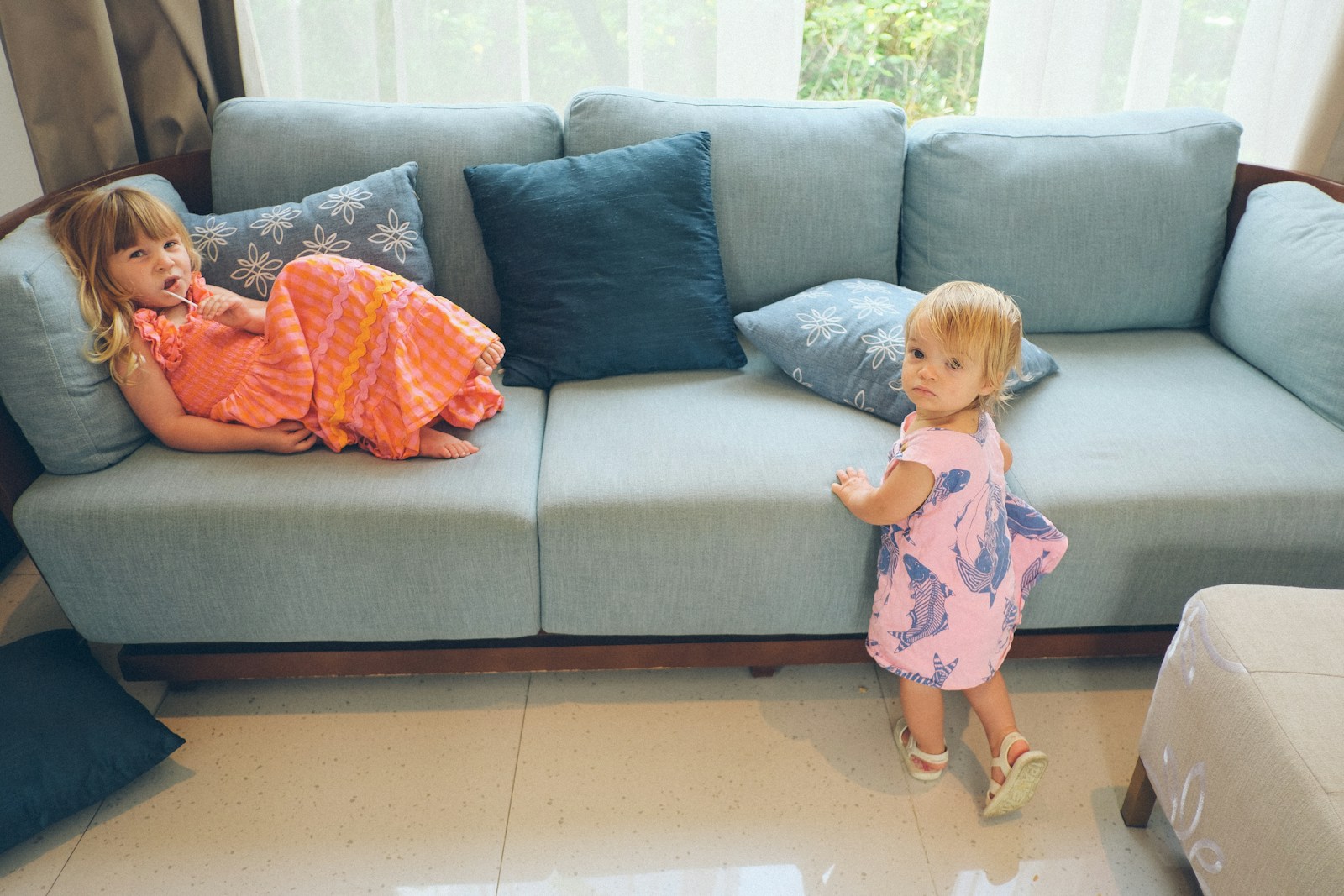
The woman expressed that she was “beyond done” with the “kids will be kids” excuse being used to justify what she called “pure, unadulterated incompetence and destruction” after her girlfriend’s kid ruins her sofa.
The situation escalated when the friend laughed off the broken couch rather than offering to repair or replace it. What started as a friendly visit ended with damaged property, hurt feelings, and questions about whether the friendship could survive the incident and the dismissive response that followed.
Breaking Point: When Kids Ruin Expensive Furniture
The incident escalated from minor chaos to complete disaster when unsupervised children destroyed a brand-new couch, leaving the homeowner shocked and the visiting parent dismissing the damage with laughter.
Details Of The Incident
The woman had recently purchased an expensive new couch for her living room. During a visit from her friend and the friend’s children, she stepped away briefly to prepare refreshments in the kitchen.
When she returned, she found the kids using her new furniture as a trampoline. They were jumping repeatedly on the cushions and frame with full force. The jumping continued until she heard a loud crack.
The couch frame had actually broken under the stress. One of the support beams snapped completely, causing the seating area to sag and rendering the furniture unusable. The damage to expensive furniture from children was immediate and irreversible.
Emotional Impact On The Owner
The homeowner felt a rush of anger and disbelief as she stared at her destroyed couch. She had saved money specifically for this purchase and had owned it for less than a month.
Her initial shock quickly turned to frustration. This wasn’t just about the broken furniture—it represented a violation of her home and her boundaries. She felt disrespected that her friend hadn’t been watching the children more carefully.
The financial aspect added another layer of stress. Replacing the couch would cost hundreds or potentially thousands of dollars. She wondered whether she should expect compensation from her friend for the damage.
Reaction Of The Friend
Instead of apologizing or showing concern, the friend laughed at the situation. She brushed off the broken couch with the casual phrase “kids will be kids.”
The friend made no offer to pay for repairs or replacement. She seemed genuinely unbothered by what had happened, treating it as a normal occurrence. Her dismissive attitude made the situation worse.
When the homeowner expressed her anger, the friend acted surprised that she was upset. She suggested that the woman was overreacting to something inevitable when children are around. This response to kids destroying someone’s home echoed similar dismissive attitudes other parents have shown.
Immediate Aftermath
The woman asked her friend and the children to leave immediately. The visit ended abruptly with tension between the two friends.
After they left, she assessed the full extent of the damage. The couch was completely unusable and would need to be replaced entirely. She took photos of the broken frame and the damage.
She reached out to other friends for perspective on the situation. Most agreed that her anger was justified and that the visiting parent should have been supervising the children. The broken furniture became a breaking point in their friendship, with the homeowner questioning whether to maintain the relationship going forward.
Navigating Friendship And Boundaries After Damage
When property gets damaged during a visit and the responsible party dismisses it, the incident exposes deeper issues about respect and accountability. The woman’s situation revealed mismatched expectations about supervision, financial responsibility, and what constitutes appropriate behavior in someone else’s home.
Setting Expectations With Friends And Their Kids
The couch incident highlighted a common problem where friends with children operate under different assumptions about what’s acceptable. The visiting parent clearly believed that jumping on furniture fell under normal kid behavior that didn’t require intervention. The homeowner, meanwhile, expected guests to prevent their children from damaging her belongings.
Research on friendship quality shows that clear boundaries help protect personal space and identity in relationships. Many friendships deteriorate because people avoid addressing uncomfortable topics until resentment builds.
The broken couch situation became explosive partly because the friends had never established ground rules. The visitor may have assumed her friend wouldn’t mind some wear and tear. The homeowner likely thought basic respect for property was obvious and didn’t need stating.
Handling Disagreements Over Responsibility
The friend’s laughter when the couch broke transformed property damage into a relationship crisis. Her “kids will be kids” response dismissed both the destruction and the homeowner’s right to be upset about it. This reaction suggested she didn’t plan to replace or repair the furniture.
When friends repeatedly violate boundaries, the relationship reaches a critical point. The homeowner faced a choice between accepting financial loss to preserve the friendship or demanding compensation and risking the relationship’s end.
The visiting parent’s refusal to take responsibility indicated she viewed the damage as an unfortunate accident rather than a consequence of poor supervision. These fundamentally different perspectives made resolution difficult without one person backing down completely.
Communicating When Values Collide
The incident exposed conflicting values about parenting, property, and personal responsibility. The homeowner valued her possessions and expected guests to supervise their children accordingly. The visitor prioritized letting kids be energetic over protecting someone else’s furniture.
Navigating these friendship breakdowns requires both parties to acknowledge the legitimate concerns on each side. The homeowner wasn’t being unreasonable about wanting her new couch protected. The parent wasn’t necessarily negligent for not anticipating the furniture would break.
The laughter, however, crossed from different parenting styles into disrespect. It communicated that the homeowner’s upset feelings were silly or overblown. That response made repair difficult because it denied the validity of the damage and the emotional impact.
More from Willow and Hearth:
Leave a Reply