Thanksgiving dinners can quickly turn from festive to frustrating when family boundaries get crossed. One woman’s holiday took an unexpected turn when her sister-in-law arrived early and immediately began reorganizing her kitchen without permission, sparking a confrontation that has resonated with hosts everywhere.
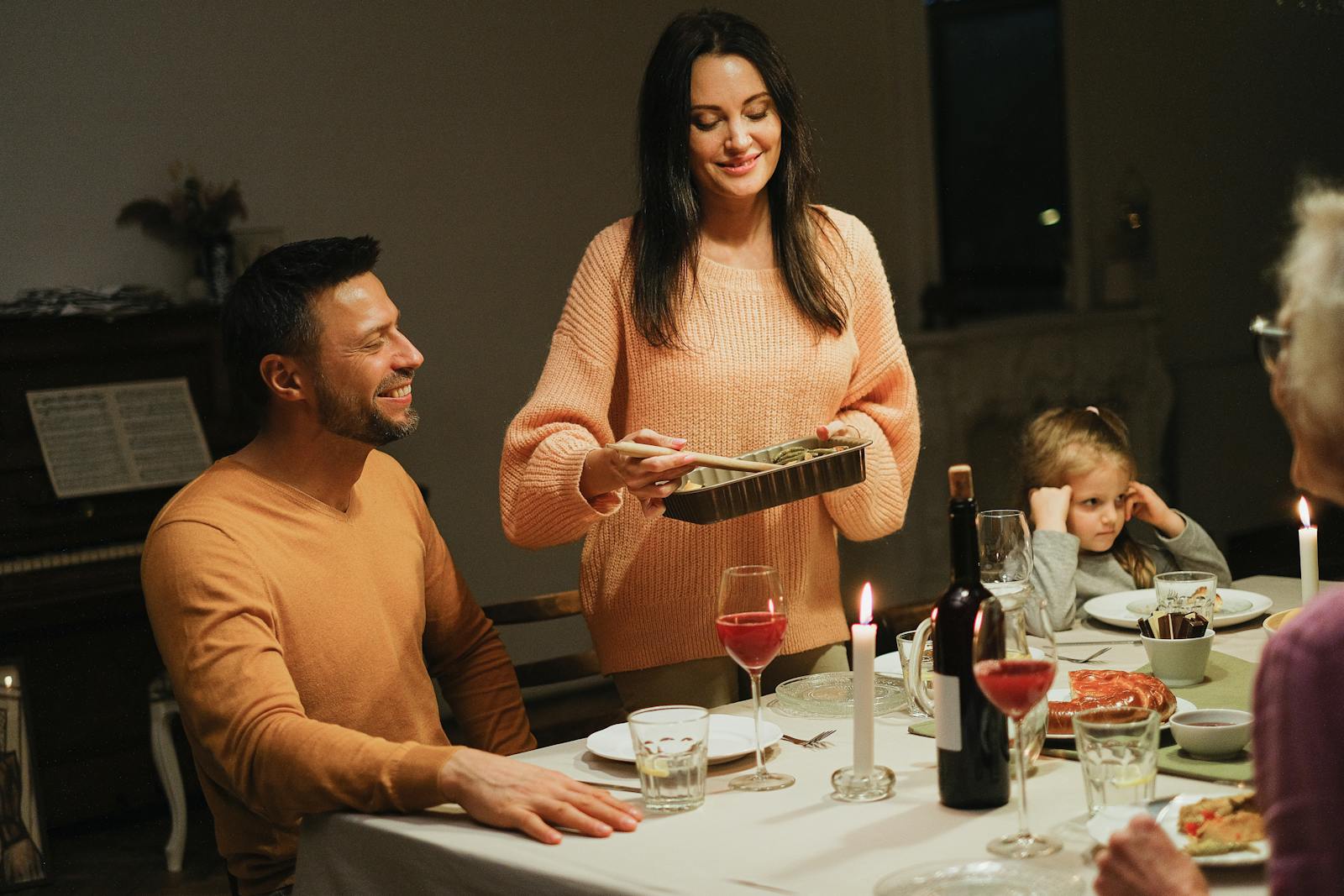
The incident highlights how well-meaning family members can overstep their bounds during holiday gatherings, creating tension that transforms what should be a joyful celebration into an uncomfortable standoff. Similar tensions have played out in homes across the country, with sister-in-law conflicts at Thanksgiving becoming increasingly common.
The story touches on the broader challenges many hosts face when relatives show up uninvited to take control of preparations. From rearranged cabinets to unsolicited cooking advice, the kitchen takeover raised questions about respect, personal space, and how to handle family drama when it erupts right before the turkey is carved.
Thanksgiving Day Disruption: The Early Arrival And Kitchen Takeover
The unexpected early arrival turned what should have been a smooth final stretch of meal preparation into a tense standoff over kitchen control. The host found herself navigating unwanted interference while trying to maintain composure in front of arriving family members.
Immediate Reaction Of The Host
The woman was stunned when her sister-in-law arrived hours before the scheduled dinner time and immediately began moving items around in the kitchen. She had spent days planning and preparing the Thanksgiving meal, organizing her kitchen in a specific way to ensure everything ran smoothly.
Her initial shock quickly turned to frustration as she watched her carefully arranged cooking stations get disrupted. The host had timed each dish precisely, knowing exactly where every pot, pan, and ingredient needed to be for efficient preparation.
She tried to politely redirect her sister-in-law at first, suggesting she relax in the living room with other guests. The suggestion was met with dismissal and continued rearranging of cabinets and countertops.
The woman felt her stress levels rising as the dinner hour approached and her kitchen looked nothing like she had organized it. She struggled to locate essential items that had been moved to “better” locations without her input or permission.
Sister-In-Law’s Motivation For Handling The Kitchen
The sister-in-law apparently believed she was being helpful by reorganizing the space. She claimed the kitchen layout was inefficient and that her changes would make serving dinner easier for everyone involved.
Some family members create Thanksgiving drama through well-intentioned but intrusive behavior. The sister-in-law insisted she had more experience hosting large gatherings and knew the “right” way to set up a kitchen for holiday meals.
She moved dishes from upper cabinets to lower ones, rearranged the refrigerator contents, and even suggested changes to the menu. Her confidence in her methods made it difficult for the host to assert boundaries without seeming ungrateful or confrontational.
The sister-in-law appeared genuinely surprised when her assistance wasn’t welcomed with enthusiasm. She maintained that family should help each other and that the host was being unnecessarily controlling about trivial kitchen arrangements.
Impact On Dinner Preparation
The kitchen reorganization caused significant delays in getting food to the table. The host couldn’t find her serving platters, which had been relocated to a different cabinet entirely.
Critical cooking times were missed because ingredients had been moved from their designated prep areas. The turkey’s timing was thrown off when oven mitts disappeared from their usual spot, causing hesitation during a time-sensitive basting moment.
Key disruptions included:
- Moved spices and seasonings requiring last-minute searches
- Rearranged cookware making it difficult to locate specific pans
- Refrigerator reorganization that buried prepared dishes
- Relocated serving utensils causing delays in plating
The woman found herself answering questions from other family members about when dinner would be ready while simultaneously trying to undo some of the changes. Her stress became visible to guests, creating an uncomfortable atmosphere that spread beyond just the kitchen.
Some dishes didn’t turn out as planned because the host had to rush through final preparations. The carefully choreographed meal service she had envisioned became chaotic and disorganized.
Family Members’ Perspectives
Other relatives noticed the tension immediately and had mixed reactions to the situation. Some family members sided with the host, recognizing that she had put considerable effort into planning the dinner and deserved to execute it her way.
The host’s husband tried to mediate but found himself caught between supporting his wife and avoiding conflict with his sister. He suggested his sister join him in watching football, but she insisted on staying in the kitchen to “help.”
A few relatives thought the host was overreacting to good intentions. They saw the sister-in-law’s behavior as typical family assistance rather than boundary-crossing interference.
The host’s mother quietly began helping her daughter locate moved items and restore some organization. She understood the violation of having someone else take control in your own kitchen, especially during such an important meal. Holiday hosting disputes often involve overstepping houseguests who don’t respect the host’s home and preferences.
Younger family members stayed out of the conflict entirely, uncomfortable with the obvious friction between the two women. The incident cast a shadow over the gathering that lingered throughout the meal.
Setting Boundaries And Navigating Family Drama
When family members overstep in someone’s home, it creates tension between maintaining relationships and protecting personal space. The kitchen incident highlighted how unclear expectations can turn a holiday gathering into a stressful confrontation.
Balancing Hospitality With Personal Space
The woman found herself in an uncomfortable position when her sister-in-law arrived early and began moving items around without permission. This situation put her in a bind between being a gracious host and defending her own territory.
Family drama can be stressful and overwhelming, especially when it happens in your own home. The woman’s frustration stemmed from watching someone else take control of her kitchen just hours before she was supposed to serve Thanksgiving dinner. Her sister-in-law’s behavior crossed an invisible line that many hosts recognize but struggle to articulate.
The conflict showed how family relationships often involve unspoken rules about personal space. What felt helpful to the sister-in-law felt intrusive to the host, creating a clash that neither woman anticipated.
Addressing Unspoken Expectations
Neither woman had communicated what they expected from the visit. The sister-in-law may have thought she was being helpful by arriving early and organizing, while the host expected guests to arrive at the designated time and respect her arrangements.
These unspoken expectations often compound with time when left unaddressed. The woman’s anger likely built up because she felt powerless to stop the rearranging without seeming ungrateful or rude. The sister-in-law might not have realized she was causing distress.
The incident revealed a deeper pattern where family members make assumptions about what’s acceptable. Without direct conversation, both women operated under different sets of rules for the same situation.
Finding Solutions To Avoid Future Conflicts
The Thanksgiving disaster left both women dealing with hurt feelings and damaged family dynamics. The situation required someone to address what happened before the next holiday gathering.
Clear communication about arrival times and guest roles could prevent similar incidents. The woman might need to be specific about timing and limits for future visits, stating exactly when she wants help and when she prefers to work alone. Her sister-in-law would benefit from asking before making changes in someone else’s home.
The family faced a choice between pretending nothing happened or having an awkward but necessary conversation. Some families might avoid the topic entirely, while others would hash out the details to establish clearer guidelines for future gatherings.
More from Willow and Hearth:
Leave a Reply