A mother-in-law’s unexpected visit turned into a full-blown confrontation when she not only showed up unannounced but brought a complete stranger along and proceeded to give them a tour of her son and daughter-in-law’s home. The daughter-in-law, who had endured similar uninvited visits before, finally reached her breaking point and took to the internet to share her frustration.
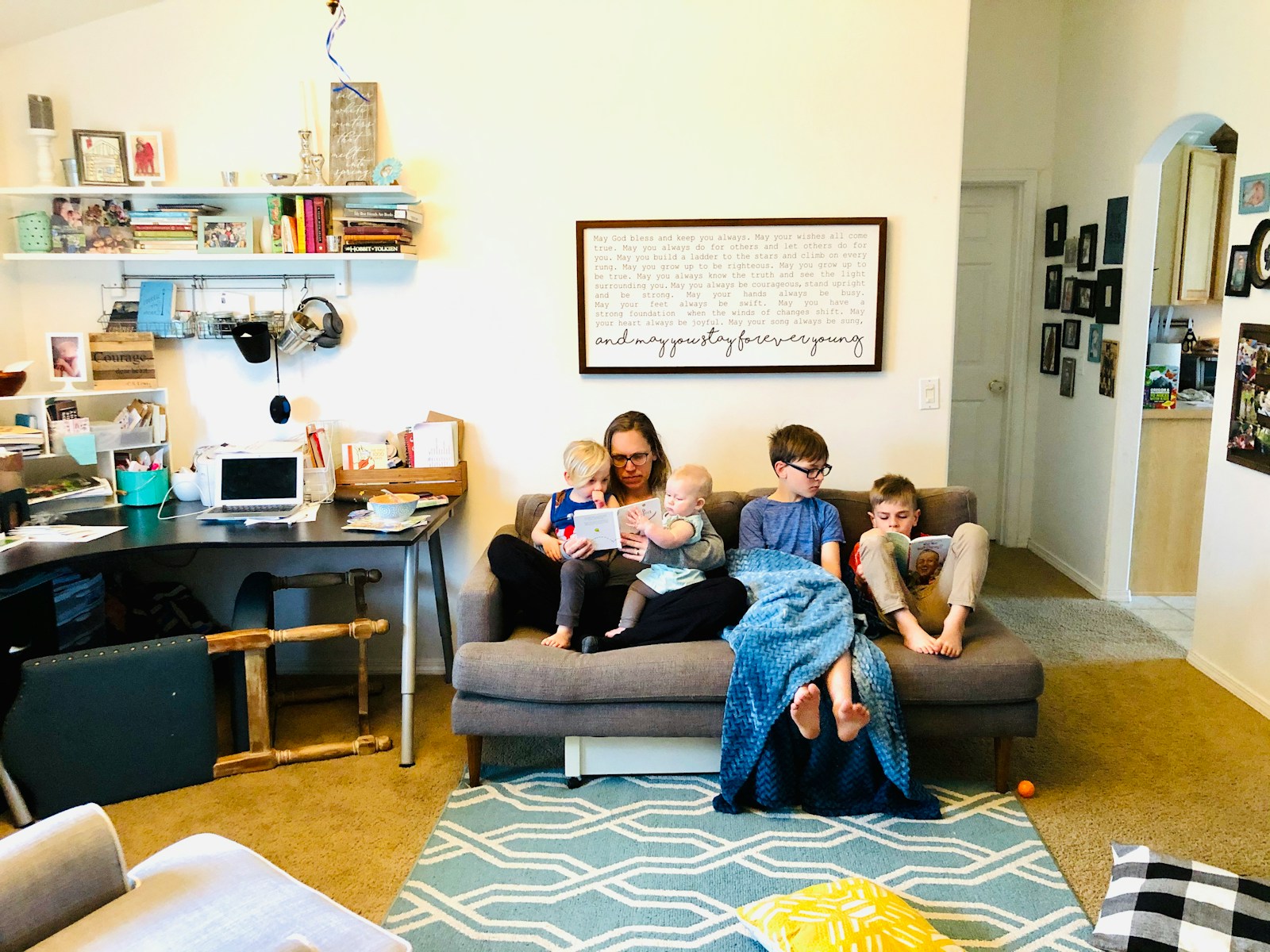
The woman’s mother-in-law had made a habit of dropping by without warning, but bringing an unknown guest and treating the couple’s house like her own property crossed a line that couldn’t be ignored. According to a survey about uninvited guests, 37% of people consider in-laws among the worst offenders when it comes to showing up unannounced.
The situation sparked a heated debate about family boundaries and whether the daughter-in-law was justified in calling out her mother-in-law’s behavior. The story reveals how this woman stood her ground and the unexpected consequences that followed.
Standing Up to an Overbearing Mother-in-Law: Setting Essential Boundaries
When a mother-in-law brings uninvited guests into someone’s home and conducts unauthorized tours, it highlights a fundamental breakdown in respect and personal boundaries. The situation demonstrates how overbearing mother-in-law behavior can create tension and damage family relationships.
Why Respecting House Rules Matters for Healthy Relationships
A person’s home represents their sanctuary and personal space. When a mother-in-law disregards basic house rules by inviting strangers over without permission, she violates the homeowner’s sense of privacy and control.
Setting healthy boundaries with a mother-in-law establishes mutual respect between family members. These boundaries help prevent interference and overstepping in daily life.
The act of giving house tours to uninvited guests crosses multiple boundaries simultaneously. It assumes ownership or authority over a space that doesn’t belong to her. It also exposes private areas and belongings to strangers without consent.
Families operate as microcultures with their own patterns and expectations. What seems normal in one household may feel invasive in another. The challenge intensifies when generational differences create conflicting views about privacy and autonomy.
Signs Your Mother-in-Law Is Overstepping: What to Look Out For
An overbearing mother-in-law typically exhibits specific patterns of behavior. She might show up unannounced, make decisions about household matters without consulting the homeowners, or act as though she has authority in spaces that aren’t hers.
Bringing guests over without asking represents a clear violation of boundaries. It demonstrates a lack of respect for the homeowner’s right to control who enters their private space.
Other signs of overstepping behavior include rearranging furniture or belongings, criticizing household choices, and making demands about family schedules or activities. Some mothers-in-law position themselves as the center of attention regardless of the situation.
The behavior often stems from feeling entitled to access and influence over her adult child’s life. She may struggle to recognize that her child has formed a new family unit with different rules and expectations.
The Emotional Toll of Disrespect and Manipulation
When a mother-in-law repeatedly disregards boundaries, it creates lasting emotional damage. The homeowner feels violated and disrespected in their own space. Trust erodes with each incident.
The situation becomes particularly difficult when the mother-in-law acts as though nothing inappropriate occurred. This gaslighting behavior makes the affected person question whether they have a right to feel upset.
Emotionally manipulative behavior affects the sense of privacy and control in one’s own home. It can strain the marriage when one partner feels caught between their spouse and their mother.
The stress of dealing with an overbearing mother-in-law impacts mental health and family harmony. Each violation reinforces the feeling that personal boundaries don’t matter or won’t be respected.
Practical Steps for Assertive Yet Respectful Confrontation
Addressing the house tour incident requires direct communication. The affected person explained to their mother-in-law that bringing guests over without permission violated their privacy and crossed a clear boundary.
Key elements of effective confrontation:
- State the specific behavior that was problematic
- Explain how it affected them
- Set clear expectations for future behavior
- Involve the spouse in presenting a united front
The conversation needs to happen soon after the incident while details remain fresh. Waiting too long allows the behavior to become normalized or repeated.
Dealing with an overbearing mother-in-law involves maintaining a respectful but firm stance. The goal isn’t to attack her character but to establish clear house rules moving forward.
If she responds defensively or dismisses the concerns, the couple may need to implement consequences. These might include limiting visits, requiring advance notice for all visits, or restricting access to certain areas of the home.
Navigating the Fallout: Preserving Peace and Protecting Your Space
After confronting a mother-in-law about boundary violations, many women face guilt trips, defensive reactions, and the challenge of getting their partners to understand the gravity of the situation.
How to Handle Guilt Trips and Defensive Reactions
The woman found herself dealing with a toxic mother-in-law who refused to acknowledge any wrongdoing. Instead of apologizing, the mother-in-law turned defensive and claimed she was just trying to be helpful by showing off the house.
Common defensive tactics include:
- Playing the victim and crying
- Claiming they “didn’t know” it was a problem
- Accusing the daughter-in-law of being too sensitive
- Threatening to withdraw from the family entirely
The emotionally manipulative mother-in-law often doubles down when confronted. She might tell other family members her version of events first, painting herself as the wronged party. She acts wounded and misunderstood, making the daughter-in-law look like the bad guy for setting a simple boundary.
Many women report feeling guilty after standing up for themselves, even when they know they’re right. The manipulative mother-in-law counts on this guilt to continue her behavior unchecked.
Getting Your Partner on the Same Page
The husband’s response became crucial to resolving the situation. Some partners immediately recognize their mother’s boundary violation, while others struggle to see the problem through years of normalized behavior.
The woman needed her husband to understand why surprise guests and unauthorized house tours crossed a line. He grew up with his mother’s behavior and might not recognize it as intrusive. His first instinct was often to minimize the incident or suggest his wife was overreacting.
Partners raised by manipulative mother-in-law figures sometimes develop a blind spot to their tactics. They’ve spent decades managing their mother’s emotions and automatically fall into peacekeeper mode. Breaking this pattern requires honest conversations about respect, privacy, and whose feelings take priority in their own home.
Moving Forward After the Confrontation
The relationship dynamics shifted after the confrontation. Some mother-in-law figures gave the silent treatment for weeks or months, punishing the daughter-in-law for speaking up. Others pretended nothing happened and continued showing up unannounced.
The couple had to decide on concrete boundaries moving forward. They discussed implementing a 24-hour notice requirement for visits and making it clear that bringing uninvited guests wasn’t acceptable. The woman stopped answering the door when surprised by visitors, forcing her mother-in-law to respect their schedule.
Boundaries they established:
| Boundary | Consequence |
|---|---|
| No unannounced visits | Won’t answer the door |
| No bringing extra guests without permission | Visit ends immediately |
| No entering rooms without asking | Access to home restricted |
Some relationships never fully recovered from these confrontations. The toxic mother-in-law held grudges and poisoned other family relationships by spreading her version of events.
More from Willow and Hearth:
Leave a Reply