Donating to thrift stores seems straightforward—pack up unwanted items and drop them off. However, many well-intentioned donors overlook a critical step that creates extra work for staff and sometimes renders donations unusable.
Thrift store workers report that numerous items arrive in conditions that make them unsellable, from clothing with unnoticed stains to electronics that don’t function. These donations require hours of sorting and often end up discarded rather than helping the community. Understanding what makes a good donation involves more than good intentions—it requires a quick inspection before dropping items off.
The most common problematic donations share a pattern: donors simply didn’t check the condition before giving them away. From household goods to personal items, a brief examination can determine whether something will actually benefit shoppers or just create additional burden for staff members.
Stained or torn clothes
Many well-meaning donors drop off clothing without inspecting it first. Stained or dirty clothing creates a burden for thrift stores, as these items often require extensive cleaning or disposal. Staff members spend valuable time sorting through donations only to throw damaged pieces away.
Most thrift stores have clear policies about condition. Items that are too ripped, stained, or worn-out won’t be accepted for resale. A quick check before donating helps ensure clothes actually make it to the sales floor.
Expired canned food
Thrift store workers frequently receive donations of canned goods that have passed their expiration dates. Many donors assume these items are still acceptable, but food pantries must throw away expired donations.
Most organizations have strict guidelines about accepting items within their expiration dates to ensure food safety. People should check dates before donating and remember that pantries can’t safely distribute expired, damaged, or opened food.
Used mattresses
Mattresses rank among the most problematic donations thrift stores receive. Health regulations prevent most thrift stores from accepting mattresses due to sanitation concerns and the potential presence of bed bugs hidden within seams.
Thrift stores can’t sell mattresses for safety reasons, meaning donated mattresses go straight to landfills. People should explore recycling programs specifically designed for mattress disposal instead of dropping them off at donation centers.
Broken Electronics
Broken electronics don’t belong at thrift stores because they often end up in landfills or require costly disposal. Many donors drop off non-working devices without testing them first, assuming the store will handle them.
Staff members spend valuable time checking each electronic item to ensure it functions properly. When items don’t work, stores have to pay for disposal instead of generating revenue.
People should look for local e-waste recycling events or companies that specialize in handling old electronics responsibly.
Leftover paint cans
Thrift store workers often find paint cans among donations that donors haven’t inspected first. Many of these containers are dried out, rusted, or contain only small unusable amounts.
While some organizations like Habitat for Humanity accept usable paint donations, most thrift stores cannot resell them. Paint reuse programs offer better alternatives for leftover paint that’s still in good condition.
Workers end up disposing of these items, which wastes their time sorting through unsuitable donations.
Dirty boots and shoes
Footwear ranks among the most problematic donations thrift stores receive. Many people drop off muddy boots or worn shoes without cleaning them first.
Donation centers don’t have built-in drycleaning facilities, so they can’t process dirty items. Workers must either spend time cleaning donated footwear or throw it away. Taking a few minutes to wipe down shoes and remove dirt makes a significant difference for staff who handle hundreds of donations daily.
Expired medications
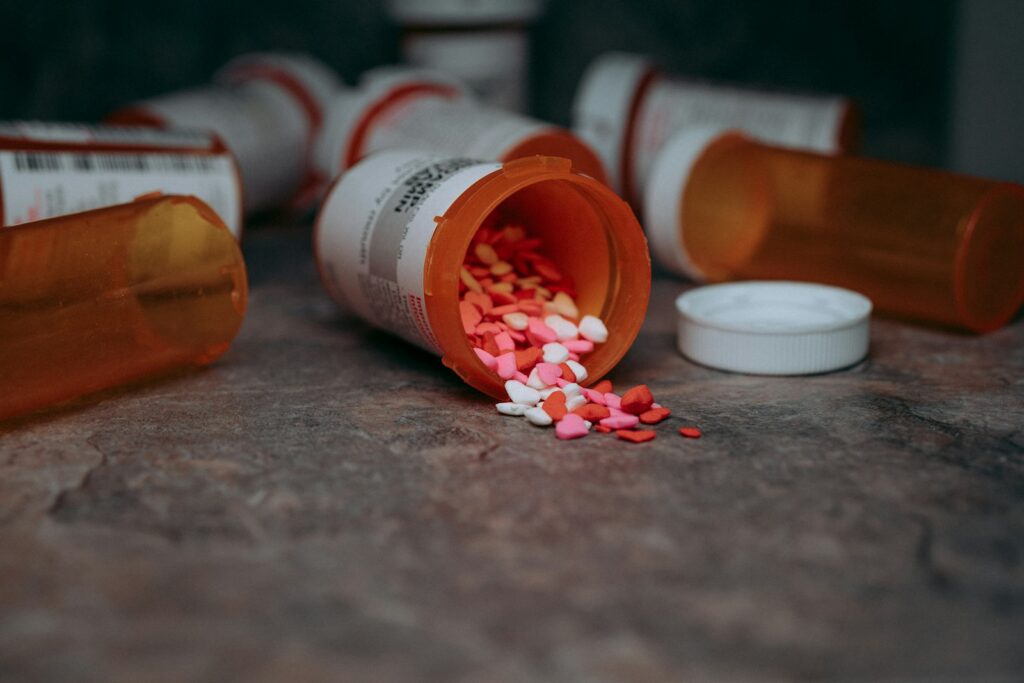
Thrift store workers report finding prescription medications tucked into donated purses, pockets, and bathroom cabinets. These items cannot be resold and create safety hazards for staff who handle donations.
People should never donate medications to thrift stores. Instead, they can use DEA-sponsored drug take-back programs at nearly 5,000 collection sites nationwide.
Those with unexpired medications in original packaging might qualify for state drug donation programs that help patients in need. Workers appreciate when donors check all items thoroughly before dropping them off.
Broken mirrors
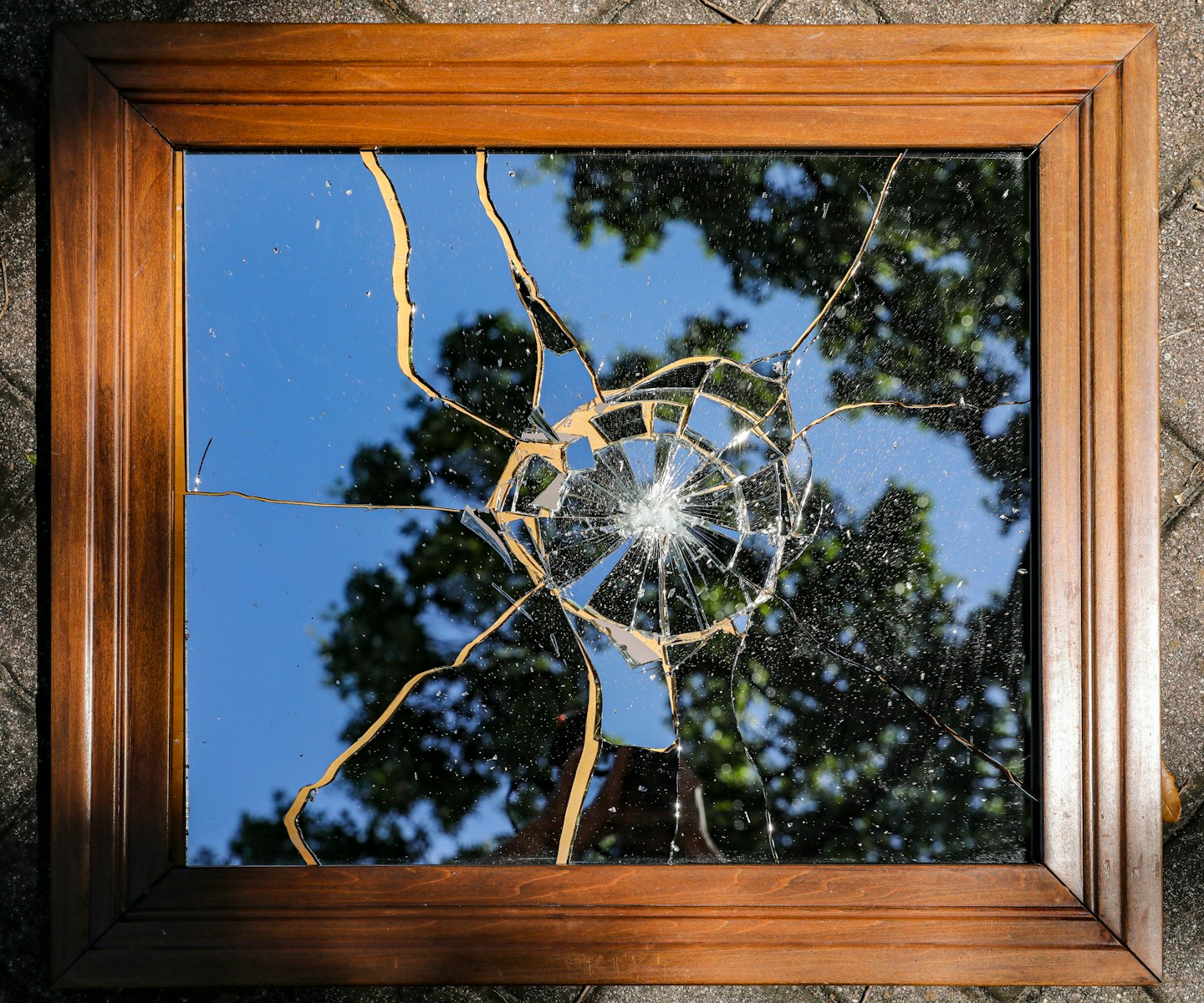
Cracked or shattered mirrors are among the items thrift stores throw away immediately after receiving them. The sharp edges pose serious safety risks to staff members who handle donations and customers browsing the store.
Many people don’t realize these items can’t be resold, even if only a small corner is damaged. Thrift store workers must carefully dispose of broken glass to prevent injuries.
Before donating any mirror, people should inspect it thoroughly for cracks, chips, or loose fragments. If it’s damaged, it belongs in proper glass recycling instead.
More from Willow and Hearth:
- 15 Homemade Gifts That Feel Thoughtful and Timeless
- 13 Entryway Details That Make a Home Feel Welcoming
- 11 Ways to Display Fresh Herbs Around the House
- 13 Ways to Style a Bouquet Like a Florist
Leave a Reply