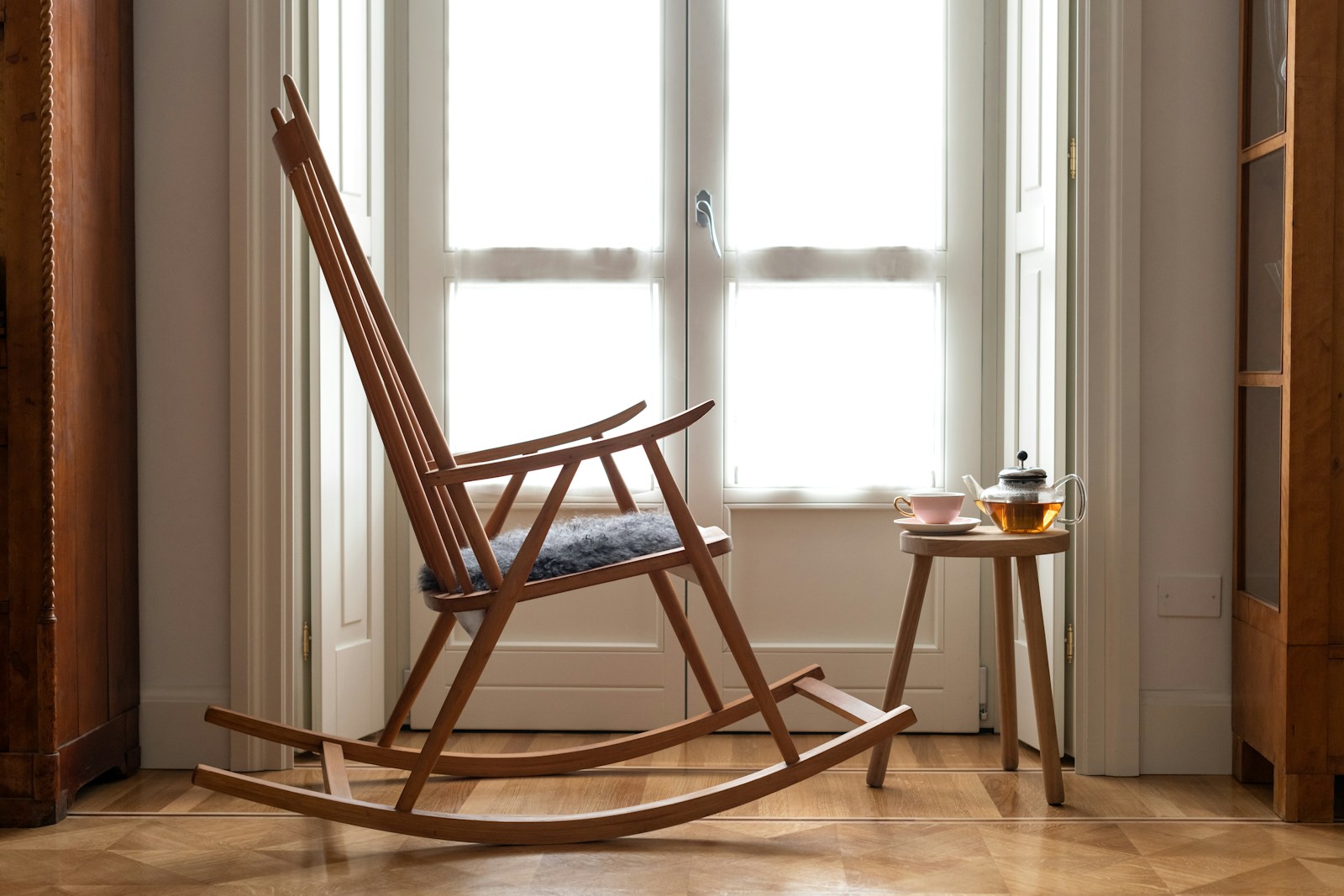
American basements function as unintentional storage vaults where families have tucked away furniture and fixtures for decades. Vintage furniture pieces hiding in basements across America can range from ornate Victorian rockers to sturdy oak chests that have survived multiple generations.
These forgotten pieces often represent significant craftsmanship and design movements from the past century, and many homeowners don’t realize what they have stored beneath their homes. From elaborate hand-carved tables to elegant dressers and decorative mirrors, basements hold collections of items that tell stories about changing styles and family histories. The following antique furniture pieces continue to surface in storage spaces, attics, and cellars throughout the country.
Victorian-era wooden rocking chair
Victorian rocking chairs remain popular discoveries in old basements across America. These chairs typically feature ornate carved details and spindle backs that reflect the craftsmanship of the 1800s.
Many antique wooden rocking chairs can be identified by their construction methods and wood types. Collectors often find them on platforms like eBay, where authentic pieces from the Victorian era are bought and sold.
These nostalgic pieces serve as both functional seating and family heirlooms passed down through generations.
Arts and Crafts Mission oak chest
Mission style furniture emerged from the turn-of-the-century Arts and Crafts movement in America. These solid oak chests feature clean lines and straightforward construction that defined the era.
Collectors often find three-drawer chests from the 1910s made from quarter sawn oak with original copper-plated brass hardware. The dovetail joints and simple design make them easy to identify.
Makers like Limbert and Stickley produced oak dressers and chest of drawers that still surface in basements today. Their durability means many pieces survive in good condition.
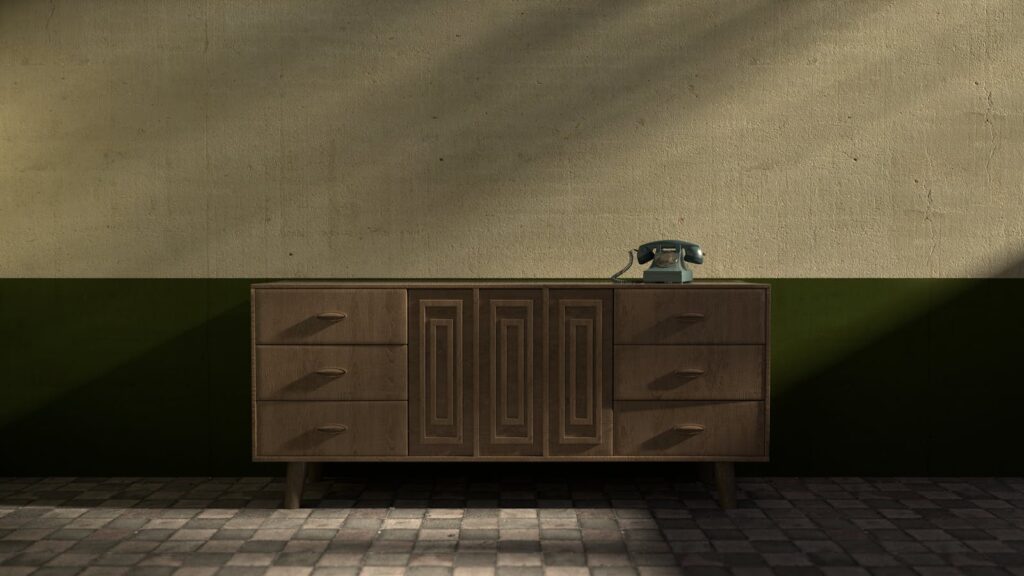
Mid-century modern sideboard
Homeowners still discover mid-century modern sideboards tucked away in basements across America. These sleek storage pieces from the 1950s through 1970s feature clean lines and functional design.
Danish teak credenzas remain particularly desirable among collectors. Many people inherited these pieces from parents or grandparents who purchased them new decades ago.
The furniture serves dual purposes for storage and display. Vintage pieces from this era often show quality craftsmanship that stands the test of time, making basement finds potentially valuable.
Antique walnut writing desk
Walnut writing desks remain one of the most overlooked treasures in old American basements. These elegant pieces were crafted during the 18th and 19th centuries by skilled furniture makers who valued walnut for its rich grain and durability.
Antique walnut writing desks can range from $297 to several thousand dollars depending on condition and provenance. European examples often featured more ornate details, while English versions tended toward simpler traditional designs.
Homeowners sometimes discover these desks tucked away in storage, not realizing their potential value or historical significance.
Early 20th-century mahogany dresser
Mahogany dressers from the 1900-1950 period frequently surface in basements and estate sales. These pieces were built to last, featuring solid wood construction and elegant details.
Antique mahogany dressers often showcase carved molding, ornate hardware, and rich wood grain. Many include attached mirrors with decorative frames.
Collectors appreciate these dressers for their craftsmanship and timeless appeal. The average selling price hovers around $2,995, though prices vary based on condition and style.
Vintage cast iron clawfoot bathtub
Vintage cast iron clawfoot bathtubs remain one of the most valuable discoveries in old basements. These fixtures were originally painted on the inside until David Buick developed a process in the mid-1800s to bond porcelain to cast iron, which eliminated the constant peeling problem.
Antique clawfoot tubs made from cast iron are prized for their durability and heat retention. Many homeowners find these heavy pieces tucked away in storage, often needing refinishing but still structurally sound after decades of neglect.
Hand-carved Jacobean dining table
These impressive oak tables from the early 1900s often surface in older homes and estates. Jacobean-style dining tables typically feature ornate carved skirts, substantial trestle supports, and turned legs with stretchers.
The detailed craftsmanship includes acanthus leaves and fluted columns that reflect historical European design. Many pieces were crafted around the 1910s-1920s and remain functional today.
Collectors can find these antique tables at estate sales and online marketplaces, where they’re valued for their solid construction and decorative appeal.
Edwardian carved wooden mirror
Edwardian mirrors from the 1901-1910 era frequently appear in basement storage. These pieces feature ornate mahogany frames with delicate inlay work and hand-carved details.
Antique dealers currently list these mirrors from £115 to £3,950 depending on condition and craftsmanship. Homeowners often overlook them during estate cleanouts, not realizing their value.
The carved wooden frames showcase the period’s attention to detail. Many feature oval or rectangular shapes with beveled glass that survived decades in storage.
More from Willow and Hearth:
- 15 Homemade Gifts That Feel Thoughtful and Timeless
- 13 Entryway Details That Make a Home Feel Welcoming
- 11 Ways to Display Fresh Herbs Around the House
- 13 Ways to Style a Bouquet Like a Florist
Leave a Reply