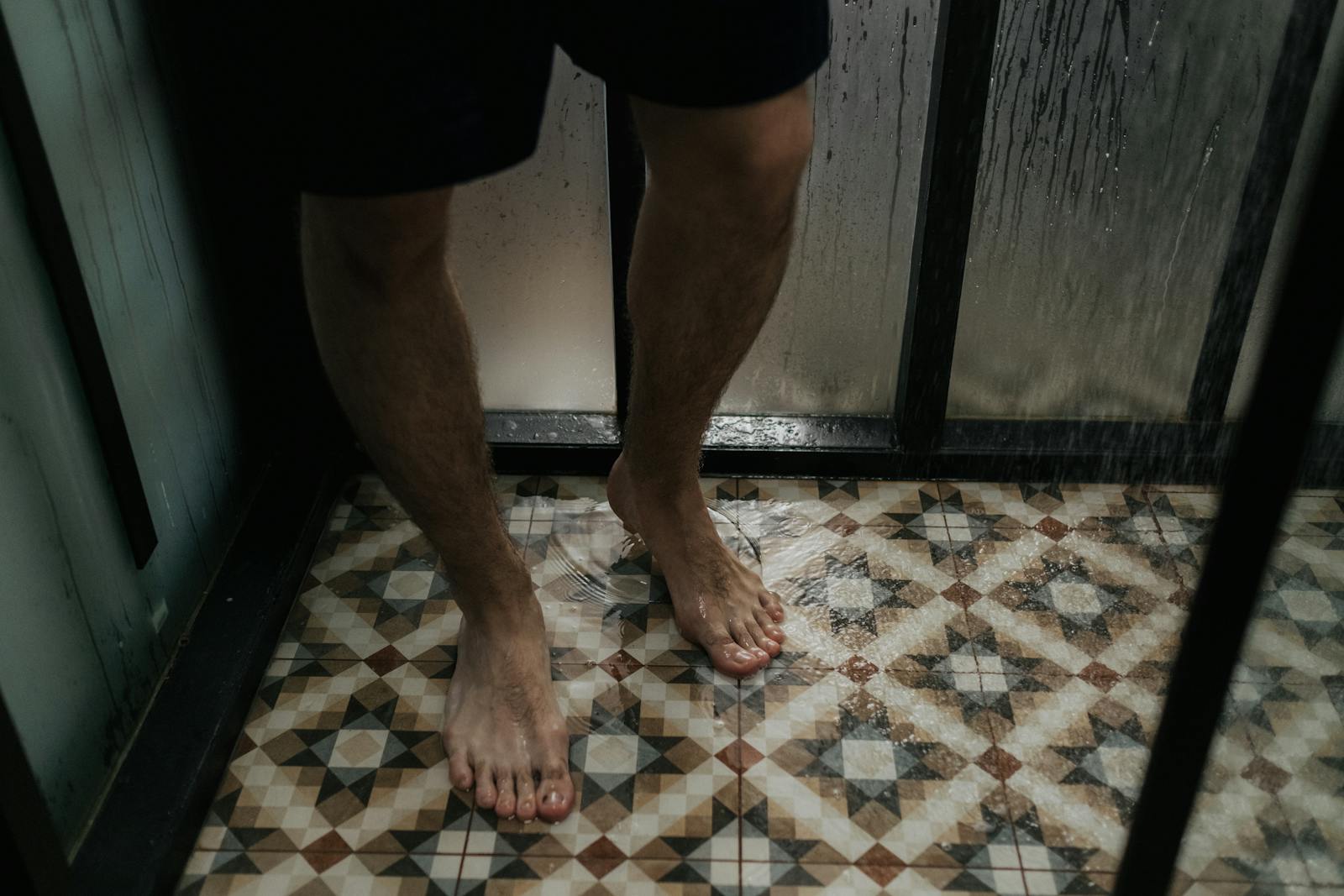
When a shower floor starts to crack, it is rarely just a cosmetic annoyance. Those hairline fractures are often the first visible sign that water is slipping past the surface and into places it should never reach, quietly setting up much bigger and more expensive problems behind the tile.
Instead of focusing only on patching what is in plain sight, homeowners need to treat a damaged shower base as a red flag about what is happening underneath. The real question is not how to hide the crack, but how far moisture has already traveled into the subfloor, framing, and nearby finishes.
The hidden water damage under a “small” crack
A cracked shower floor usually means the waterproofing system has already been compromised, even if the surface still looks mostly intact. Once the top layer opens up, water can seep through grout lines and fractures, then pool on the subfloor or inside the mortar bed instead of draining away. Over time, that trapped moisture softens plywood, corrodes fasteners, and can lead to structural sagging that makes the shower pan flex even more, which in turn widens the original crack and invites more water in.
That slow leak rarely stays put. Moisture that escapes under the pan can migrate into adjacent walls, soak insulation, and stain ceilings below, especially in multi-story homes. By the time a homeowner notices a musty smell or a brown ring on the drywall downstairs, the framing behind the shower may already be saturated and vulnerable to mold growth and decay. At that stage, the repair is no longer a quick surface fix but a partial rebuild of the wet area and any rooms it has quietly damaged.
Why the installation beneath your feet matters more than the tile
Cracking at the shower floor is often a symptom of movement, not just a bad batch of tile. If the original installer skipped a proper mortar bed, used the wrong backer board, or failed to support a prefabricated pan evenly, the base can flex every time someone steps in. That repeated movement stresses grout joints and tile, eventually opening up fractures that let water through. Even a high-end porcelain finish cannot compensate for a subfloor that was never stiff enough or a drain assembly that was not properly integrated with the waterproofing layer.
Drain placement and slope also play a quiet but crucial role. When the floor is not pitched correctly toward the drain, water lingers on the surface and in the setting bed, giving it more time to find any weak spot in the membrane. If the waterproofing was applied only at the surface without tying into the drain flange, or if seams around niches and corners were rushed, the system can fail at those junctions long before the tile itself wears out. In many cracked-shower cases, the visible damage is simply the first place the underlying movement and poor detailing finally show themselves.
How to respond when the shower floor starts failing
Once cracks appear, the priority is to figure out how far the problem has spread, not to reach for a tube of caulk. A smart first step is a careful inspection of the rooms around and below the shower, looking for soft baseboards, peeling paint, or ceiling discoloration that might signal a long-running leak. If there is any sign of movement in the floor when someone shifts their weight, or if tiles sound hollow when tapped, that usually points to a deeper failure in the pan or subfloor that patching alone will not solve.
From there, homeowners are often better off planning for a targeted demolition of the shower base than layering on temporary bandages. Removing the floor down to the subfloor or slab allows a contractor to check for rot, replace damaged framing, and rebuild the pan with a properly sloped mortar bed or a factory-formed base that is fully supported. It also creates a chance to upgrade to a continuous waterproofing system that ties walls, floor, and drain into one integrated shell, which is far more forgiving over time than a patchwork of membranes and sealants.
That kind of rebuild is not a weekend project, but it is usually cheaper than waiting until hidden moisture has spread into hallways, closets, or the ceiling of the room below. Treating a cracked shower floor as an early warning, rather than a minor annoyance, shifts the focus from cosmetic touch-ups to protecting the structure of the home and the air quality inside it. In the long run, that mindset saves money, time, and a lot of drywall dust.
More from Willow and Hearth:
Leave a Reply