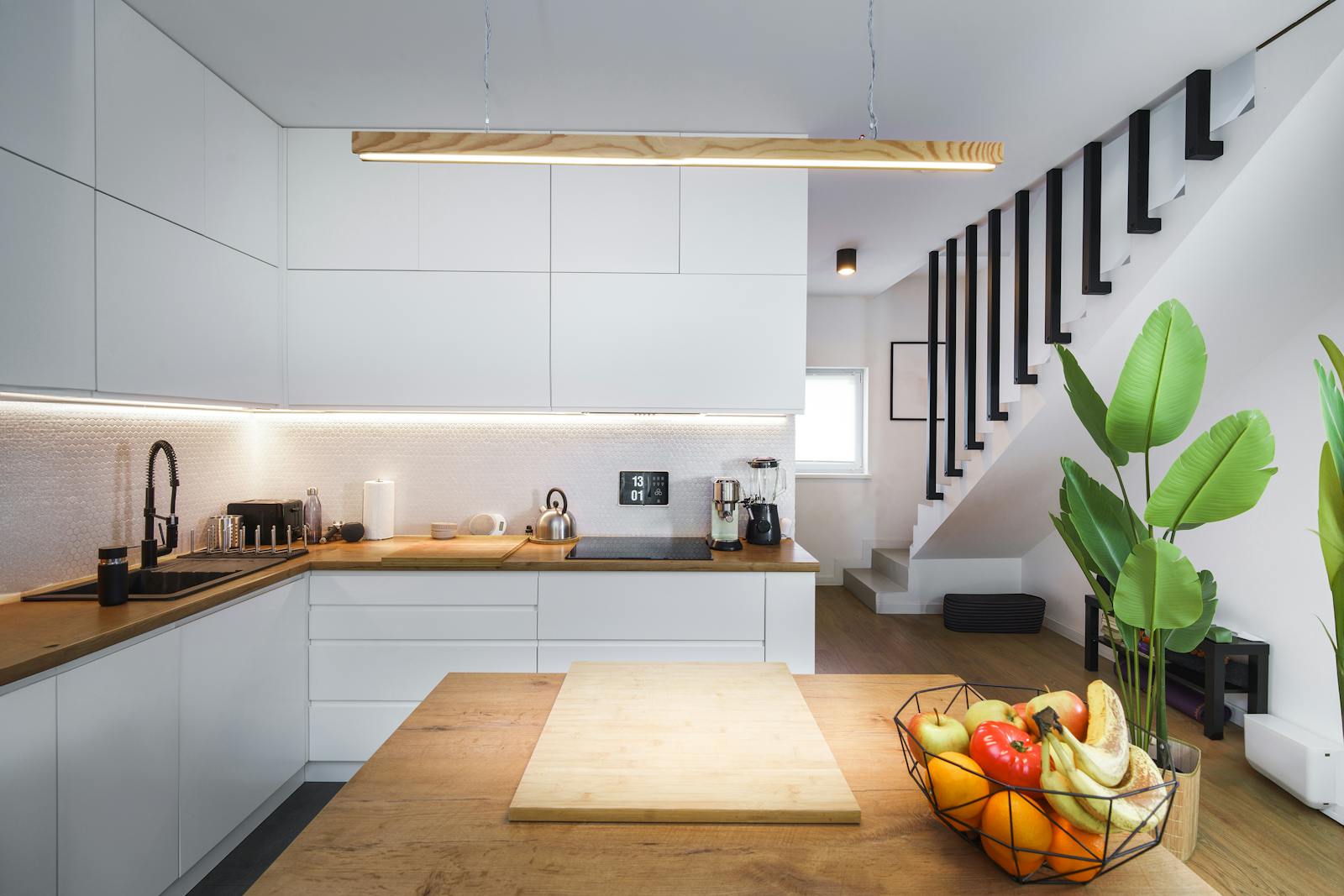
Renters are used to hearing what they cannot change, which is why the smallest allowed tweak that actually makes a room feel finished hits like a magic trick. Swapping out basic light fixtures for something with personality is one of those rare upgrades that is fast, reversible, and wildly outsized in impact, turning a bland box into a space that feels intentional and lived in. With a few smart choices and a screwdriver, a rental can suddenly look less like a temporary stop and more like a place worth showing off.
Unlike paint or built-ins, lighting is usually treated as background infrastructure, even though it quietly controls how every surface, color, and piece of furniture reads. When a room is stuck with a single overhead dome or a harsh LED bar, everything under it looks flatter and more tired than it needs to. Replacing that one forgettable fixture with something warmer, better scaled, and layered with other light sources is the kind of low-effort change that makes visitors ask what else is different, even when nothing else has moved.
Why lighting is the ultimate low-lift rental upgrade
The reason lighting punches so far above its weight is simple: it shapes how the eye reads space before anyone notices the sofa or the rug. Designers consistently treat light as a core building block, not an afterthought, because the color temperature, direction, and spread of light can make the same room feel either cramped and cold or open and inviting. A single overhead fixture that blasts light straight down tends to exaggerate shadows and highlight every scuff, while a softer, diffused source spreads brightness more evenly and makes walls recede instead of closing in.
Layering different types of fixtures multiplies that effect. A ceiling light sets the baseline, but adding a floor lamp in a dark corner and a table lamp near seating creates pockets of glow that pull people into the room instead of leaving them stranded under a spotlight. That mix of ambient, task, and accent lighting lets renters tune the mood from workday bright to movie-night soft without touching the lease or the walls. Swapping the builder-grade ceiling piece for a pendant or semi-flush mount that actually fits the room’s scale is often the fastest way to unlock that flexibility, because it turns the main light from a blunt instrument into a more controlled, flattering source.
How to swap a rental light fixture without risking your deposit
For anyone who has never touched a junction box, the idea of changing a ceiling fixture can sound like a fast track to a stern email from the landlord. In practice, the process is straightforward if the existing light is already hardwired and the replacement is designed for the same setup. The key is to treat it like a reversible costume change: turn off power at the breaker, photograph how the original wires connect, then disconnect the old fixture and attach the new one using the same color pairings and mounting bracket style. Keeping the original hardware labeled and stored means it can go right back up before move-out, leaving no trace that anything ever changed.
Renters who are not comfortable with wiring still have options that lean on the same visual payoff. Plug-in pendants that hook into a ceiling swag, clamp-on task lamps, and wall sconces that run on cords or battery-powered puck lights can mimic the look of a hardwired upgrade without touching the electrical system. The trick is to think about where light is missing rather than where outlets happen to be, then route cords neatly along trim or behind furniture so the glow, not the hardware, is what stands out. In small spaces, even a single plug-in pendant hung over a dining table or reading chair can shift the room’s focal point away from the standard ceiling dome and toward a more intentional vignette.
Choosing fixtures that look custom but move with you
Because rental upgrades need to be portable, the smartest lighting choices are pieces that feel tailored to the current space but will not look out of place in the next one. Neutral metals like brushed nickel, black, or aged brass tend to play well with both warm and cool palettes, and simple silhouettes age better than trend-heavy shapes that might feel dated by the time the lease is up. Scale matters just as much as style: a low ceiling usually calls for a flush or semi-flush mount that sits close overhead, while a taller room can handle a drum pendant or a multi-arm fixture that drops lower without becoming a head hazard.
Thinking in terms of zones rather than rooms also helps fixtures earn their keep across moves. A compact linen-shaded table lamp that works on a bedroom nightstand now can easily migrate to a future entry console or home office, and a slim arc floor lamp that currently fills a dark living room corner can later anchor a reading nook beside a different sofa. Choosing bulbs with adjustable color temperature or dimmable settings adds another layer of flexibility, since the same fixture can shift from crisp white for working to warmer tones for evenings, all without changing the hardware. That kind of adaptability is what turns a simple lighting swap into the easiest rental-friendly upgrade, one that quietly transforms how every other design choice in the room is perceived.
More from Willow and Hearth:
Leave a Reply