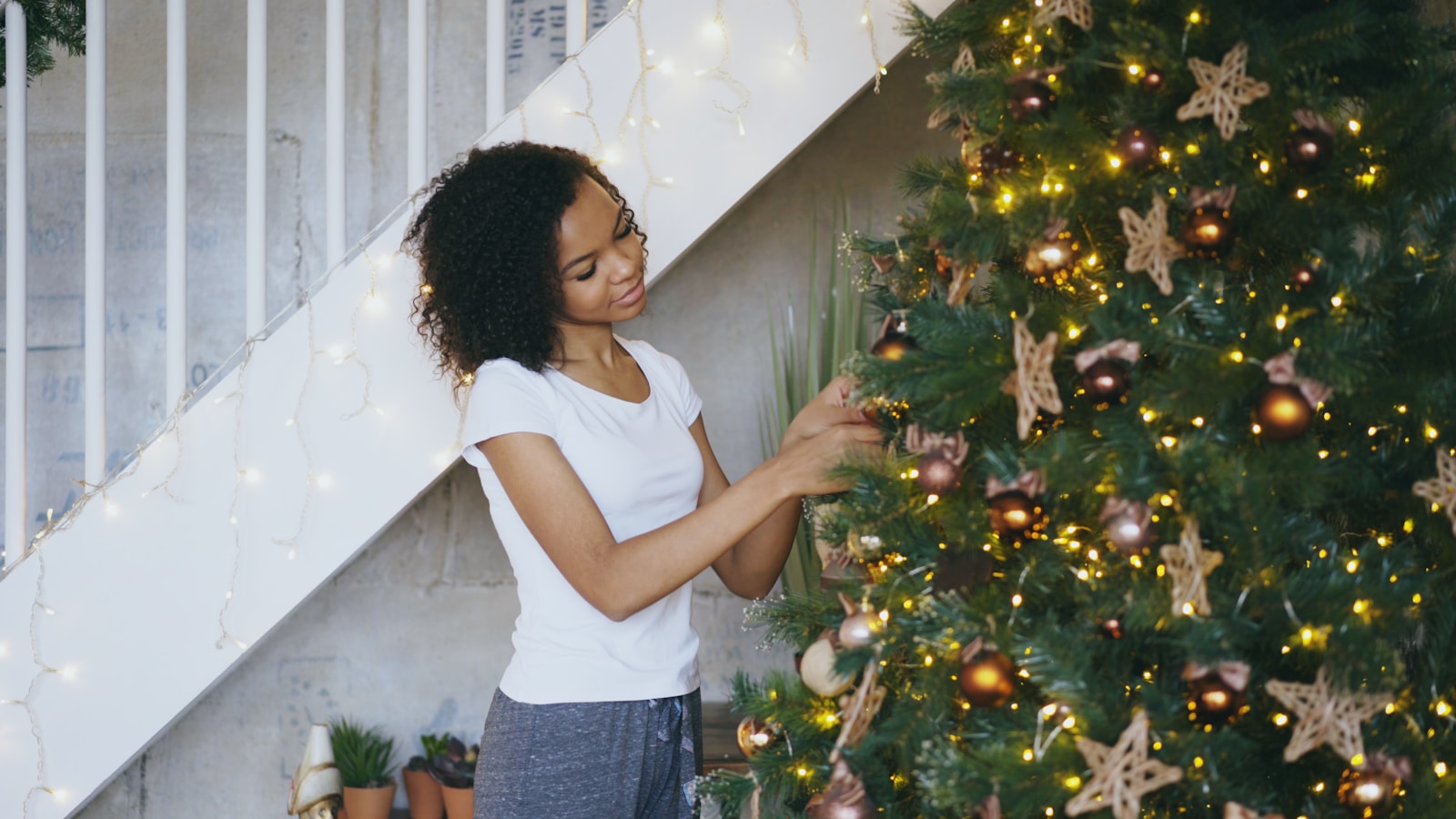
Holiday decorating is shifting fast, and the Christmas tree is where those changes show up first. Instead of defaulting to the same ornaments and color palette every year, more people are treating the tree as a design statement that reflects how they actually live, from sustainability choices to smart lighting and bolder color stories.
I see seven clear trends reshaping how people trim their trees, each grounded in real shifts in how we shop, entertain, and think about home. Together they offer a way to refresh a familiar ritual without losing the nostalgia that makes the season feel like the season.
1. Sustainable trees and planet-minded materials
The biggest change I notice is that sustainability is no longer a niche concern, it is a baseline expectation for many shoppers choosing a Christmas tree. People are weighing the environmental impact of real versus artificial trees, looking at how long a faux tree will last, and paying closer attention to where both the tree and the decorations come from. That has pushed interest in longer-lasting artificial trees, rental programs for live trees, and ornaments made from wood, paper, glass, and recycled metals instead of plastics.
Reporting on consumer behavior shows that climate concerns are shaping holiday purchases, with more buyers seeking out durable artificial trees that can be reused for a decade or more and others prioritizing locally grown real trees that can be mulched or composted after the holidays. Coverage of retail trends also highlights a rise in tree rental schemes, where potted trees are delivered, decorated, then collected and replanted, as well as a broader push toward eco-friendly decorations that avoid glitter and single-use plastics. Together these shifts point to a holiday aesthetic that still feels festive but is more aligned with year-round environmental values.
2. Maximalist color and layered nostalgia
At the same time, the visual mood of Christmas trees is getting louder and more personal. Instead of sticking to strict red-and-gold or silver-and-blue schemes, many people are embracing maximalist color, mixing jewel tones, neons, and metallics in a way that feels closer to fashion than to traditional holiday decor. That boldness often goes hand in hand with nostalgia, as families bring out childhood ornaments, vintage glass baubles, and handmade pieces, then layer them with new finds to create a tree that tells a story rather than matching a catalog page.
Design coverage has tracked a clear swing toward maximalist trees loaded with ornaments, ribbons, and unexpected color combinations, a reaction to the sparse, Scandinavian-inspired look that dominated earlier in the decade. At the same time, lifestyle reporting notes a renewed appetite for vintage decorations, from Shiny Brite-style glass balls to midcentury figurines, as people look for comfort and continuity during uncertain times. Retail data on ornament sales also shows strong demand for personalized pieces, which turn the tree into a visual scrapbook of milestones, travels, and inside jokes rather than a purely decorative object.
3. Smart lights, app control, and immersive effects
Technology is quietly transforming the Christmas tree into a more flexible, interactive centerpiece. Instead of wrestling with a single static strand of lights, people are investing in smart systems that can shift color, brightness, and animation patterns from a phone or voice assistant. That makes it easier to change the mood from daytime subtle to evening sparkle, or to coordinate the tree with music and outdoor displays for parties.
Coverage of connected-home products points to the growing popularity of app-controlled light strands that let users draw patterns, schedule on and off times, and switch between warm white and multicolor without re-stringing the tree. Reviews of higher-end systems like addressable LED lights describe how each bulb can be mapped and controlled individually, creating gradients, snowfall effects, and even simple images across the branches. Broader reporting on smart holiday decor also notes that integration with platforms such as Amazon Alexa and Google Home lets people sync tree lighting with outdoor displays, window candles, and smart plugs, turning the entire house into a coordinated light show without adding more physical clutter.
4. Nature-first, “quiet luxury” trees
Running alongside maximalism is a quieter trend that leans into texture, restraint, and natural materials. Instead of heavily themed trees, some households are opting for a “quiet luxury” look that highlights the shape of the branches, the depth of the greenery, and a limited palette of soft whites, champagne, and muted metallics. Ornaments in this style tend to be fewer but larger, with an emphasis on glass, linen, wool, and unfinished wood, so the tree feels calm and elevated rather than busy.
Design reporting on quiet luxury decor notes that this approach favors investment pieces that can be reused year after year, such as handblown glass baubles and linen ribbons, instead of trend-driven novelty ornaments. Coverage of nature-inspired trees highlights the use of dried orange slices, pinecones, and simple paper stars, which add texture without overwhelming the tree’s silhouette. Analysts tracking home trends also connect this look to the broader popularity of understated interiors, where people are editing down their spaces and choosing fewer, better objects, a mindset that naturally carries over into how they decorate for the holidays.
5. Multi-tree homes and “zoned” decorating
Another shift is spatial rather than stylistic: more households are putting up more than one tree, using each to serve a different purpose. A primary tree in the living room might carry the heirloom ornaments and family gifts, while a slimmer tree in the entryway sets a polished first impression and a small tabletop version in a child’s room or home office reflects more personal tastes. This “zoned” approach lets people experiment with trends without sacrificing the sentimental tree that anchors long-standing traditions.
Home and lifestyle coverage has documented the rise of multiple trees in a single home, especially as artificial trees have become lighter and easier to assemble. Reporting on room-specific trees describes families who keep a coordinated tree in public spaces and a more relaxed, kid-decorated version in playrooms or dens, effectively dividing decor by function. Retailers have responded with a wider range of slim and pencil trees designed for corners, hallways, and apartments, which makes it easier to add a second or third tree without crowding the floor plan.
6. Statement toppers, ribbons, and sculptural details
The finishing touches on Christmas trees are also getting more attention, with toppers and ribbons treated as sculptural elements rather than afterthoughts. Instead of a small star or angel, many people are choosing oversized bows, spray picks, or abstract shapes that extend the tree’s height and draw the eye upward. Ribbons are being woven deeply into the branches in layered cascades or structured loops, adding movement and dimension even on trees with relatively few ornaments.
Trend roundups on holiday styling point to the popularity of ribbon-forward trees, where wide wired ribbon in velvet, satin, or plaid is used almost like upholstery to define the tree’s silhouette. Guides to professional-style ribbon techniques show how decorators tuck and twist ribbon into the branches instead of wrapping it tightly around the outside, which creates a more layered, custom look. Coverage of statement toppers highlights designs that combine multiple elements, such as clusters of metallic stems, feathers, and lights, turning the top of the tree into a focal point that can be seen across the room.
7. Theme-light trees that flex from Christmas to New Year’s
Finally, more people are thinking about how long their tree will stay up and adjusting the decor so it can transition smoothly from Christmas to New Year’s gatherings. Instead of heavily Christmas-specific ornaments, they are leaning on metallics, glass, and neutral shapes that feel appropriate through early January, then adding or removing a few key pieces to shift the mood. That approach stretches the value of the tree and reduces the sense of visual fatigue that can set in when a very specific theme lingers for weeks.
Holiday planning coverage notes that many households now keep trees up into early January, which has encouraged more flexible decorating strategies. Guides to New Year’s decor often suggest building on existing Christmas elements by emphasizing gold, silver, and clear glass, then adding details like clock motifs and extra candles rather than starting from scratch. Retailers have responded with more nonfigurative ornaments, such as spheres, icicles, and stars, that read as wintry rather than strictly Christmas, making it easier to keep the tree feeling relevant through the full holiday season.
More from Willow and Hearth:
Leave a Reply