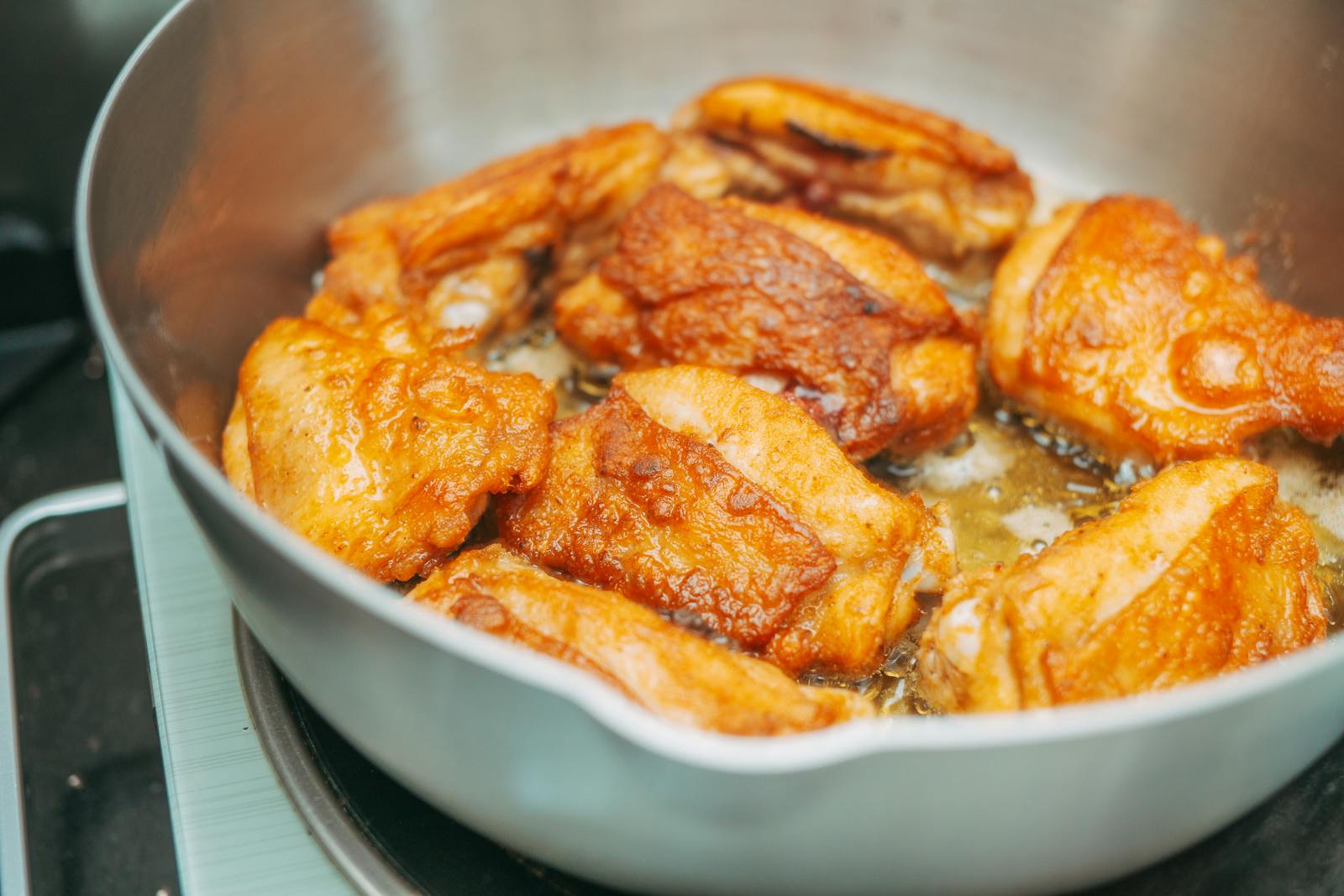
Retro pantry staples are quietly returning to supermarket shelves, and one in particular is reshaping how home cooks fry chicken. Beef tallow, once pushed aside in favor of neutral vegetable oils, is back in the spotlight as shoppers look for flavor, texture, and a closer link to traditional cooking. Its comeback is changing how fried chicken tastes, crisps, and even how long it stays satisfying on the plate.
Instead of a novelty for nostalgia seekers, tallow is turning into a practical choice for cooks who want restaurant-level crunch at home. With more brands bottling rendered beef fat and positioning it alongside avocado and coconut oils, the question is less about whether tallow belongs in a modern kitchen and more about how to use it smartly for better, more consistent fried chicken.
Why beef tallow is suddenly everywhere again
Beef tallow’s resurgence starts with a broader shift away from ultra-processed seed oils and toward fats that feel closer to their source. Rendered beef fat was a default cooking medium for much of the twentieth century, especially in diners and fast-food chains, before being sidelined by concerns over saturated fat and the rise of inexpensive soybean and canola oils. As shoppers revisit older cooking traditions and scrutinize ingredient lists, tallow is reappearing in jars and tubs that highlight its single-ingredient simplicity and animal origin, positioning it as a throwback that fits neatly into current interest in “nose-to-tail” eating and minimal processing.
Retailers have responded by giving tallow more visible shelf space, often near ghee, lard, and other animal fats that appeal to low-carbohydrate and high-fat eating patterns. Brands market it as a stable, high-heat fat that can be reused for multiple frying sessions, which makes it attractive to home cooks who want both performance and value. That combination of heritage, perceived naturalness, and functionality has helped tallow move from specialty butchers into mainstream grocery aisles, where it now competes directly with premium cooking oils rather than sitting in a niche corner of the store.
How tallow changes fried chicken’s flavor and crunch
What sets tallow-fried chicken apart is the way the fat interacts with the breading and the meat as it cooks. Beef tallow has a relatively high melting point and a firm texture at room temperature, so when hot pieces come out of the fryer, the coating sets quickly and stays crisp instead of turning limp. The fat’s structure helps drive moisture out of the crust while sealing in juices, which produces a shatteringly crunchy exterior and a notably succulent interior. That contrast is difficult to match with lighter, more fluid vegetable oils that tend to soak more deeply into the breading.
Flavor is the other reason cooks keep returning to tallow for poultry. Even when carefully filtered, rendered beef fat carries a subtle savory depth that leans meaty and rich rather than neutral. On fried chicken, that translates into a fuller, more rounded taste that supports spices like paprika, garlic, and black pepper instead of washing them out. The result is a piece of chicken that tastes seasoned all the way through, with the fat adding a background note of umami that lingers after each bite instead of disappearing as the crust cools.
Why tallow behaves differently from vegetable oil in the pan
From a practical standpoint, beef tallow behaves more like a professional frying medium than a typical bottle of canola or corn oil. Its smoke point is high enough for classic fried chicken temperatures, which helps maintain a consistent golden color without tipping into scorched or bitter notes. Because tallow is more saturated, it is less prone to breaking down into off-flavors during a long batch of frying, so the last pieces of chicken often come out tasting as clean as the first. That stability also means the fat can be cooled, strained, and reused, which appeals to home cooks who want to stretch a jar across several Sunday dinners.
The way tallow cools and solidifies also changes the eating experience. As the fried chicken rests, a small amount of fat sets within the crust, reinforcing its structure and giving it a satisfying snap when bitten. In contrast, many seed oils remain liquid and can gradually migrate into the breading, softening the exterior and leaving a greasier feel on the fingers. For cooks who care about texture as much as flavor, that difference in how the fat behaves over the first 20 or 30 minutes after frying can be the deciding factor in choosing tallow over a standard jug of vegetable oil.
Health trade-offs and what nutrition research actually says
The nutritional profile of beef tallow is central to its modern reputation, and it is also where the trade-offs become clearest. Tallow is high in saturated fat, which has long been linked in public health guidance to elevated low-density lipoprotein cholesterol. That history is why many households shifted to vegetable oils in the first place. At the same time, interest in traditional animal fats has grown alongside questions about how refined some seed oils are and how they behave when repeatedly heated to frying temperatures. The renewed attention to tallow reflects a broader debate about whether the type of fat and the degree of processing matter as much as total fat intake.
For fried chicken, the practical takeaway is that tallow can deliver superior texture and flavor, but it is still a dense source of calories and saturated fat. Nutrition-focused cooks often treat it as an occasional tool rather than an everyday default, using it for special meals or small batches instead of routine weeknight sautéing. Some also blend tallow with a neutral, high-oleic vegetable oil to slightly lighten the saturated fat load while preserving much of the crispness and flavor that make tallow appealing in the first place. That kind of compromise reflects how many home kitchens now balance culinary performance with evolving guidance on heart health.
Smart ways to use tallow for better fried chicken at home
For home cooks curious about tallow, the most effective approach is to treat it like a specialty frying fat and build the rest of the recipe around its strengths. Using a heavy pot or Dutch oven, keeping the oil depth to a few inches, and monitoring temperature with a thermometer help the fat stay in its ideal range so the crust browns evenly without burning. Many cooks find that a classic double-dip method, with seasoned flour, a buttermilk or egg wash, and a second flour coating, takes full advantage of tallow’s ability to set a thick, craggy crust that stays crisp long after it leaves the oil.
Storage and reuse also matter when working with a jar of rendered beef fat. Allowing the tallow to cool slightly, then straining it through a fine mesh or coffee filter, removes crumbs that can char and cloud the flavor the next time it is heated. Once filtered, it can be refrigerated in a sealed container and brought back to frying temperature when another batch of chicken is on the menu. That cycle, used thoughtfully and not indefinitely, lets one purchase of tallow support several rounds of weekend fried chicken, making the retro fat feel less like a splurge and more like a reliable tool in a modern kitchen.
More from Willow and Hearth:
Leave a Reply