
Some customer service moments are forgettable. Others stick with you long after the interaction ends, not because of what was said, but because of how it made you feel. This story landed somewhere in that second category, where something routine suddenly became uncomfortable in a way that was hard to ignore.
What makes it stand out is how quickly the tone shifted. One second, it was a normal transaction. The next, it turned into a situation that felt invasive, personal, and completely unexpected.
A Routine Interaction That Took a Turn
The retail worker explained that they had been in their role for about a year and were used to the usual rhythm of customer interactions. Among those customers was a regular who came in often, never caused issues, and generally kept things polite and uneventful. On this particular day, everything started the same way.
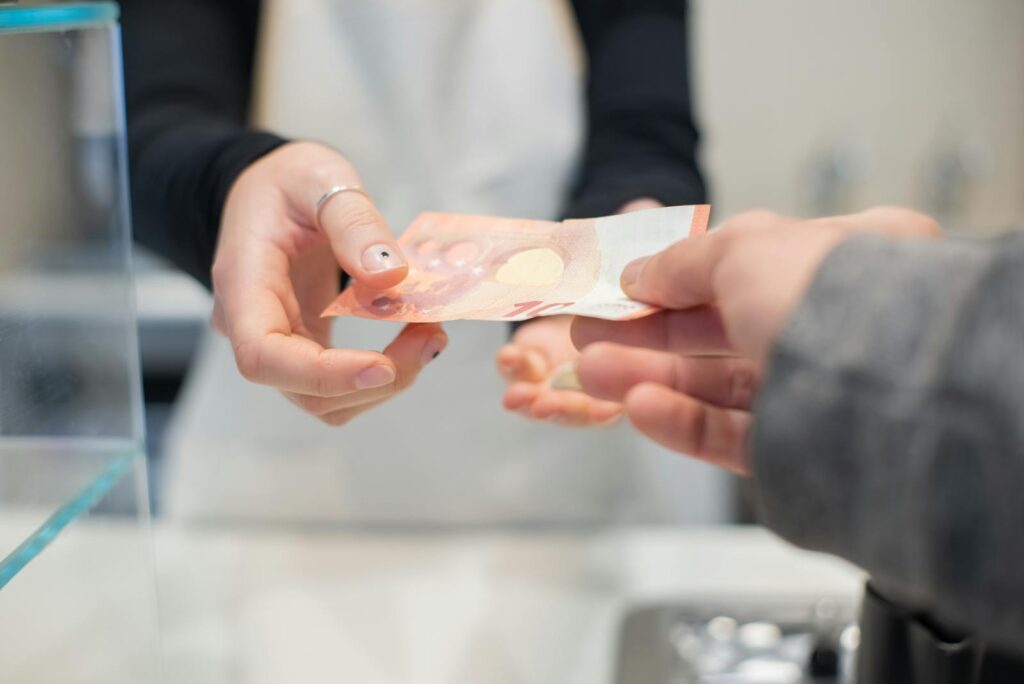
The customer made a purchase and paid with cash. When it came time to return the change, the worker placed the coins into his open palm in the same way they always did. It wasn’t careless or rushed, just a standard motion that many people use to avoid unnecessary contact during transactions. Up to that point, nothing seemed out of the ordinary.
The Moment That Changed Everything
As the worker turned slightly to close the till, the situation shifted in a way they didn’t expect. The customer suddenly grabbed their hand.
Not a quick touch or accidental brush, but a deliberate hold, using both of his hands to keep theirs in place. The action itself was enough to catch them off guard, but what followed made it even more uncomfortable. He explained that he did it intentionally.
According to him, the way the worker handed over change, dropping it into customers’ hands instead of placing it directly, was rude and potentially offensive. He suggested that it might make people feel as though the cashier thought their hands were dirty. Instead of simply saying that, however, he chose to demonstrate his point physically.
Why the Reaction Felt So Unsettling
The worker wasn’t just surprised by the comment. They were unsettled by the contact. From their perspective, avoiding direct hand-to-hand contact during transactions is actually more hygienic and widely accepted. Many people prefer minimal physical interaction, especially in environments where dozens of exchanges happen throughout the day.
More importantly, they hadn’t been given a choice. The customer didn’t ask, didn’t signal discomfort, and didn’t try to address it verbally first. He went straight to physical contact, holding their hand in a way that felt intentional and prolonged. That decision is what changed the situation from awkward to inappropriate.
When Feedback Crosses a Line
At its core, this situation isn’t really about how change should be handed over. Different people have different preferences, and in most cases, a simple comment would have been enough to communicate that.
What made this moment stand out was how the feedback was delivered. There is a clear difference between expressing a preference and physically enforcing a point. One invites conversation. The other removes consent.
In a setting where service workers are expected to remain polite and accommodating, that kind of boundary crossing becomes even more complicated. It places the worker in a position where reacting naturally, by pulling away or speaking up immediately, can feel risky.
The Power Dynamic People Noticed
One of the reasons this story resonated so strongly is because of the imbalance built into customer service roles. Employees are often expected to maintain composure, avoid confrontation, and prioritize the customer experience, even when something feels off. That expectation can make it harder to respond in the moment, especially when the situation is unexpected or uncomfortable.
In this case, the worker wasn’t just dealing with criticism. They were dealing with unsolicited physical contact from someone they were supposed to serve. That combination is what made the interaction feel particularly unsettling.
What People Had to Say
The reactions were immediate and largely aligned, with most people focusing on the physical boundary that had been crossed rather than the issue of handing over change.
“ItsTinkyWinkybaby” pointed out how impractical the customer’s expectation was, saying,
“Imagine we touched every hand we gave cash to.”
Others focused directly on the core issue of personal space.
“PeachOnAWarmBeach” wrote,
“Customers should never touch you.”
Some commenters went further, suggesting that the behavior itself was a red flag.
“ProjectJourneyman” commented,
“Creeps start by testing the water.”
And many simply acknowledged how uncomfortable the situation must have been.
“mmmmm_pi” said,
“He grabbed your hand? That’s so inappropriate.”
Across the board, the consensus was clear. Regardless of intent, the customer’s actions crossed a line.
The Aftermath and Support
After the incident, the worker spoke to their manager and explained what had happened. The response they received was supportive, which added an important layer to the story. The manager agreed that the situation was inappropriate and made it clear that the worker would not be required to serve that customer again if he returned.
That kind of response matters. It reinforces the idea that employees are not expected to tolerate behavior that makes them uncomfortable, even in customer-facing roles.
The Bigger Takeaway
What makes this story linger is how easily a normal moment turned into something that felt invasive. There was no argument, no raised voices, and no obvious escalation in the traditional sense. Yet the impact was strong enough to leave the worker questioning whether they had overreacted.
For most people reading, the answer was clear. This wasn’t about coins, manners, or differing preferences. It was about personal space and consent. Because no matter how small the interaction may seem, grabbing someone’s hand without permission, especially in a professional setting, changes everything. And once that line is crossed, it stops being a simple misunderstanding. It becomes something people don’t forget.
More from Willow and Hearth:
Leave a Reply