
Workplace favors are one of those things that usually begin with good intentions. You help someone out because it feels simple in the moment, and there is no reason to think twice about it. Offering a ride, covering a shift, or stepping in when someone needs help often feels like basic decency.
But situations like this do not always stay that straightforward. When a favor becomes part of someone else’s routine, the meaning behind it can start to shift. What once felt voluntary can begin to feel expected, and by the time that change becomes clear, the dynamic has already moved into uncomfortable territory.
When a Favor Quietly Becomes Routine
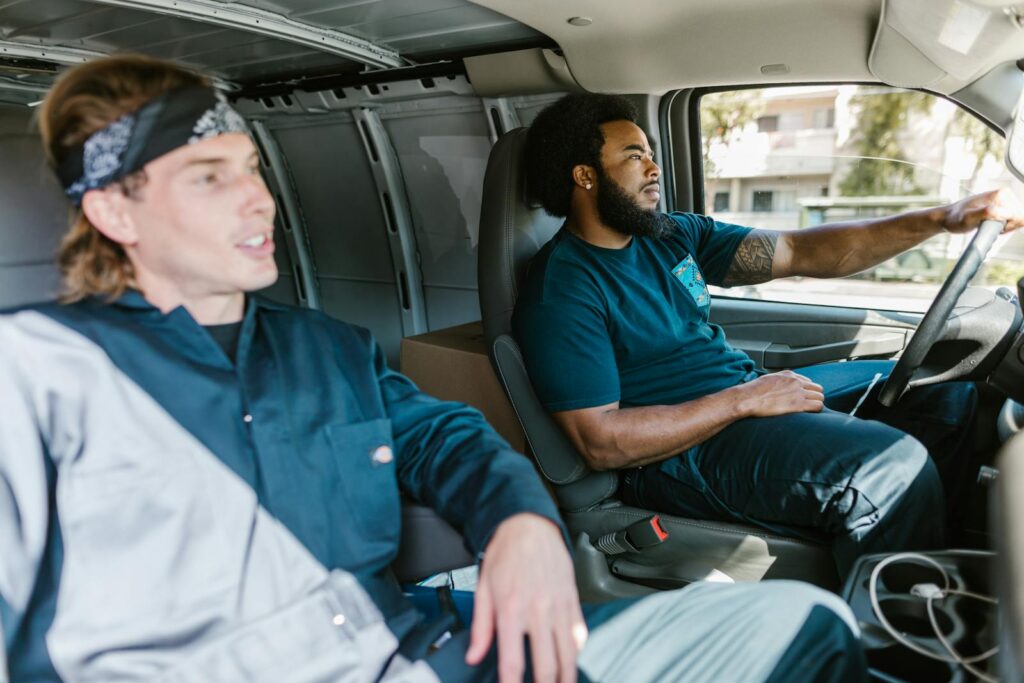
In the beginning, the arrangement felt easy and convenient. The man explained that he had been giving a coworker rides home a few times a week, mostly because they lived in the same area. It did not feel like a big deal, and there was no sense of obligation attached to it.
At that stage, the interaction was still based on choice. The coworker would ask, and the answer depended on the situation. That kind of flexibility kept the favor from feeling like a responsibility.
Over time, though, the tone began to change in subtle ways. The coworker stopped asking altogether and started acting as if the rides were guaranteed, which shifted the entire dynamic. Instead of a favor, it began to feel like something expected.
When Consideration Starts to Disappear
As the pattern continued, small details made the change more noticeable. The coworker would take his time leaving work, finishing conversations or grabbing food, without acknowledging that someone else was waiting. That lack of awareness made the situation feel less mutual.
Delays became more frequent, and the expectation remained the same. Even when the driver showed signs of being ready to leave, the coworker did not adjust his behavior. That imbalance made the arrangement feel one-sided in a way it had not before.
When there was any pushback, the reaction was not understanding but irritation. That response reinforced the sense that the favor was no longer seen as optional. It had quietly turned into something the coworker felt entitled to.
When the Story Changes Behind the Scenes
The situation became more complicated when the narrative around it shifted. The driver discovered that his coworker had been telling others that he “owed” him rides. According to this version of events, the coworker had been regularly covering for him at work.
That explanation did not reflect reality. The actions being described as “covering” were ordinary workplace behaviors, such as answering questions or handling minor tasks. None of it had been requested, and none of it went beyond what coworkers typically do.
Despite that, the story created the impression of an agreement. It reframed a voluntary favor as repayment for something that had never actually been discussed. That shift made the situation more serious, because it affected how others understood the dynamic.
The Moment the Situation Became Public
Everything escalated after one particular shift where the usual pattern played out again. The coworker came out late, expecting the ride to be there as usual. When he noticed the driver heading toward his car, his reaction was immediate and visibly frustrated.
In front of others, he made a comment about how often he had “covered” for him. The implication was clear, suggesting that the rides were something he had earned rather than something he had been given. That moment brought the issue into the open.
Instead of staying quiet, the driver responded directly and made a clear decision. He told the coworker he was done giving rides entirely. The boundary was not softened or delayed, because the situation had already reached a point where continuing would reinforce the wrong narrative.
What People Are Saying
“Visit HR immediately… handling it the way he has is a serious problem.” — JayStrat
“That’s the normal thing any coworker would do… It’s not going above and beyond.” — blondeheartedgoddess
“I’m kind of worried this guy is spreading the rumor that OP disappears for significant amounts of time.” — cubemissy
“Dude turned your kindness into a whole payment plan you never agreed to.” — ParadoxEgirl
Many people focused on how the situation changed once the story was shared with others. The concern was not just about the rides, but about how the coworker’s version of events could affect workplace perception. That added a layer of risk beyond the original favor.
Others pointed out that the so-called “covering” was not exceptional behavior. It reflected everyday workplace interactions that most people would not think twice about. Presenting it as something significant enough to create a debt felt misleading.
Some responses emphasized the importance of addressing the issue clearly once it became public. Allowing the narrative to continue could reinforce an inaccurate version of events. In that sense, setting a firm boundary was not just about ending the favor, but about correcting how it was being framed.
More from Willow and Hearth:
Leave a Reply