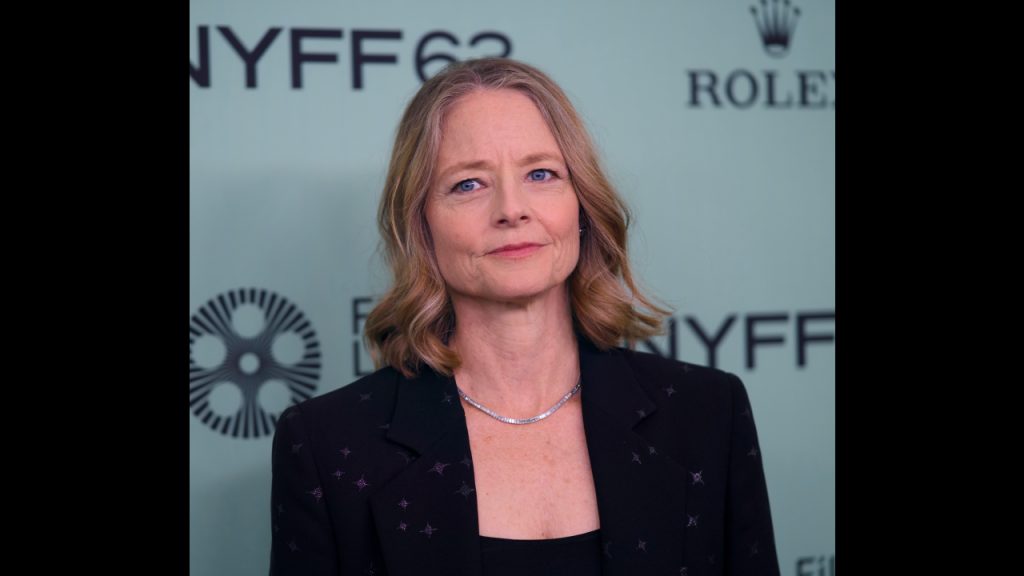
Jodie Foster recently shared surprising comments about her Oscar-winning co-star, describing the experience on set in a way fans might not expect. Despite the co-star’s acclaimed talent, Foster found the time working together to be less exciting than anticipated.
She called her co-star “shockingly uninteresting,” revealing an unexpected side to their dynamic during filming. This candid observation offers a rare glimpse into the behind-the-scenes moments of a high-profile collaboration.
Readers will find it intriguing to hear Foster’s honest take, as it challenges the polished image often portrayed in Hollywood partnerships.
Jodie Foster’s Surprising Revelation
Jodie Foster shared unexpected insights about working with her Oscar-winning co-star during filming. Her comments reveal a stark contrast between on-screen chemistry and behind-the-scenes dynamics. This candid view generated varied public responses and influenced discussions about the film’s reputation.
Details of the On-Set Experience
Foster described the co-star as “shockingly uninteresting” during their time on set. She explained that while their performances convincingly meshed on camera, offstage the actor seemed distant and disengaged. Foster noted the lack of stimulating conversations or creative exchanges, which was surprising given the co-star’s acclaimed status.
Despite the cold atmosphere, Foster remained professional. She focused on her role and maintained a positive attitude throughout production. The experience highlighted the difference between public persona and private behavior in Hollywood.
Public Reaction to Foster’s Comments
The revelation sparked immediate buzz online and in entertainment media. Fans were divided—some expressed support for Foster’s honesty, while others defended the co-star’s privacy and reputation. The story trended on social platforms, generating a wide range of opinions.
Critics scrutinized both actors, with some saying Foster’s remarks were a brave truth, while others viewed it as unprofessional. The discourse included discussions about workplace dynamics and the pressures actors face during high-profile projects.
Impact on the Film’s Legacy
Foster’s admission added a new layer to how audiences view the film. While it remains celebrated for its artistic achievements, the behind-the-scenes tension has become part of its narrative. For some viewers, this insight makes the film more intriguing; for others, it casts a shadow on the production atmosphere.
The revelation has not affected the film’s accolades but sparked renewed interest in interviews and retrospectives. It also prompted conversations about separating an actor’s personal traits from their professional work.
Exploring the Oscar-Winning Co-Star
The actor in question gained widespread recognition through a standout performance that led to an Oscar win. Their career history and specific role alongside Jodie Foster reveal the context of their collaboration and the dynamics on set.
Who the Co-Star Is
The co-star is John C. Reilly, a respected actor known for his versatility across genres. Although widely admired for his supporting roles in comedies and dramas, this film marked one of his rare lead performances.
Reilly’s presence brought a grounded, everyman quality to the project. Despite his later acclaim, Foster described their on-set interactions as underwhelming. This tension contrasts with Reilly’s public reputation as approachable and affable.
Achievements Leading to the Oscar Win
Before this film, Reilly had received critical praise but no major awards. His breakthrough came from consistent work in films like Chicago and Gangs of New York, which demonstrated his range.
The Oscar win was for Best Supporting Actor, recognizing his ability to elevate complex, nuanced characters. Industry insiders saw this as a well-deserved acknowledgment of his steady career progress rather than a sudden breakthrough.
Role in the Film with Jodie Foster
In this film, Reilly played a challenging, emotionally layered character opposite Foster’s lead role. His performance required subtlety, balancing vulnerability with strength.
Their characters shared several key scenes, where on-screen chemistry was critical. Despite this, Foster’s remarks indicate off-screen rapport did not mirror their professional dynamic. Reilly’s focus remained on delivering a grounded, authentic performance as written.
The Dynamics Behind the Scenes
Jodie Foster’s experience on set was shaped by her interactions with her co-star, the overall atmosphere during filming, and the specific challenges they encountered while working together. These factors influenced both the creative process and the final product.
Relationship Between Foster and Her Co-Star
Foster described her Oscar-winning co-star as shockingly uninteresting, highlighting a lack of personal connection. Their relationship remained strictly professional, with limited off-camera interaction. This distance created a clear boundary, preventing any deeper rapport from forming beyond their roles.
Despite this, Foster noted that their professional respect was intact. They communicated effectively about scenes but avoided socializing or informal conversations. The dynamic was marked more by routine collaboration than friendship, which Foster acknowledged shaped the tone of their work together.
Atmosphere During Filming
The set maintained a focused and disciplined environment. There was a strong emphasis on efficiency, with little room for casual banter or distractions. According to Foster, this approach ensured the production stayed on schedule but sometimes made the atmosphere feel tense or rigid.
The director fostered a clear vision, which helped keep the cast and crew aligned. However, the lack of warmth between key actors contributed to a colder mood on set. This atmosphere was functional but lacked the camaraderie some productions experience.
Challenges Faced in Collaboration
An obvious challenge was overcoming the personal disconnect between Foster and her co-star. Their differences in personality meant they rarely found common ground beyond their shared goal of completing the film. This occasionally led to awkward exchanges during rehearsals.
Scheduling conflicts and differing working styles also created hurdles. Foster mentioned that adapting to her co-star’s more reserved nature required patience. Nonetheless, both remained committed to their characters, putting aside any personal impressions to deliver strong performances.
Jodie Foster’s Perspective on Acting Partnerships
Jodie Foster has shared candid views about the realities of working with co-stars. She highlights the differences between initial expectations and the actual experience on set, as well as how interpersonal dynamics impact performances.
Expectations vs. Reality
Foster often expects a natural connection with co-stars before filming starts. She believes this can set the tone for smoother collaboration. However, she has found that some actors who seem thrilling in interviews or auditions can turn out to be less engaging in person.
In one instance, she described a leading co-star as “shockingly uninteresting,” which challenged her assumptions. This mismatch forced her to adapt her approach rather than rely on immediate chemistry. Foster says such surprises test an actor’s professionalism and ability to stay focused on the work despite personal impressions.
How Chemistry Affects Performances
Foster stresses that real chemistry between actors influences the authenticity of scenes. When co-stars connect well, it enhances emotional depth and believability. In contrast, lack of chemistry can create awkwardness that audiences may sense.
She uses specific body language, eye contact, and timing to build rapport when it is not naturally present. Foster believes these techniques can compensate to a degree, but they don’t replace genuine connection. She views acting partnerships as a balance between personal chemistry and deliberate craftsmanship.
| Aspect | Impact on Performance |
|---|---|
| Natural chemistry | Enhances emotion and flow |
| Lack of chemistry | May cause stiffness or unnaturalness |
| Professional techniques | Help bridge gaps, maintain quality |
Media Response to the Revelation
The comments made by Jodie Foster sparked a mix of reactions across news platforms and social media. Media outlets analyzed the surprising nature of her statement, while online conversations reflected a range of opinions from fans and critics alike.
Coverage by Major Outlets
Major entertainment news sources quickly picked up Foster’s remark, highlighting the unexpected bluntness. Outlets like Variety and The Hollywood Reporter focused on the contrast between Foster’s usual diplomacy and her candid description.
Several articles emphasized the impact of such honesty on public perceptions of celebrity personas. Interviews and follow-ups examined potential reasons behind Foster’s choice of words, suggesting it sparked broader discussions about workplace dynamics in filmmaking.
Some media framed the story as part of a trend where actors reveal behind-the-scenes realities, making headlines due to the rarity of such frankness from well-respected figures.
Social Media Conversations
On platforms like Twitter and Instagram, reactions ranged widely. Many users expressed surprise and curiosity, debating whether the co-star’s personality truly affected the film’s atmosphere.
Fans of both Foster and her co-star weighed in, with some defending the actor’s privacy and others praising Foster for her honesty. Hashtags related to the revelation trended briefly, showing high engagement.
Memes and short videos emerged, playfully riffing on Foster’s description. Yet, a notable portion of discussions also questioned the necessity of sharing such criticisms publicly, reflecting mixed feelings within the online community.
Reflections on Iconic Film Sets
Jodie Foster’s memories of working on high-profile movies reveal surprising insights about the people and dynamics behind the camera. These experiences range from unexpected behaviors of co-stars to valuable lessons learned for future projects.
Other Unexpected On-Set Experiences
Foster recounted moments when famous actors acted far differently than the public might expect. For instance, some co-stars appeared distant or disengaged during filming despite their star status. In one case, a leading actor showed little enthusiasm or curiosity about the role, which created a challenging atmosphere.
These situations forced the cast and crew to adjust quickly. It highlighted how fame does not always translate into enjoyable or productive collaboration. Foster’s candid observations remind that the reputation of a project can sometimes mask real interpersonal struggles on set.
Lessons for Future Collaborations
These on-set realities taught Foster the importance of communication and professionalism. She emphasized that actors and directors need to manage expectations openly to avoid misunderstandings. Sharing candid feedback early can prevent tensions from building.
Foster also pointed out the value of keeping focus on the craft. Maintaining dedication to performance, regardless of others’ attitudes, helps preserve the quality of the work. Future collaborations benefit from this mindset, ensuring the final product meets high standards even when personalities clash.
Leave a Reply