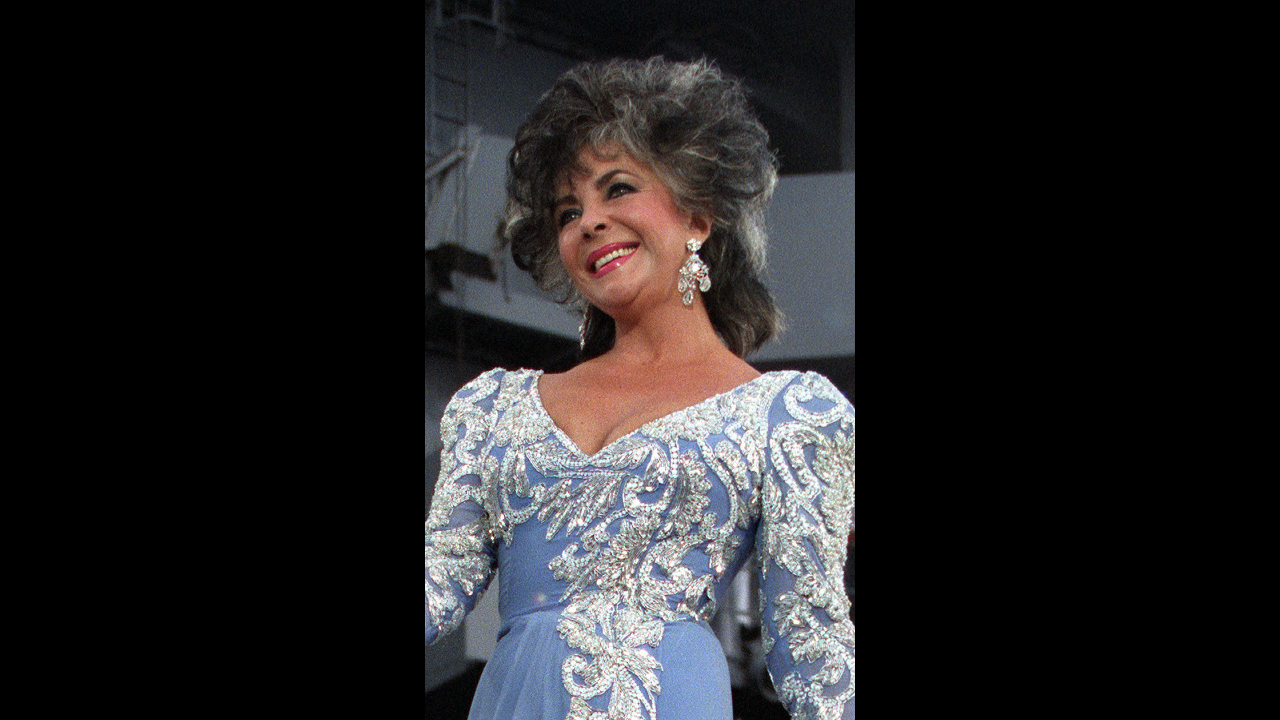
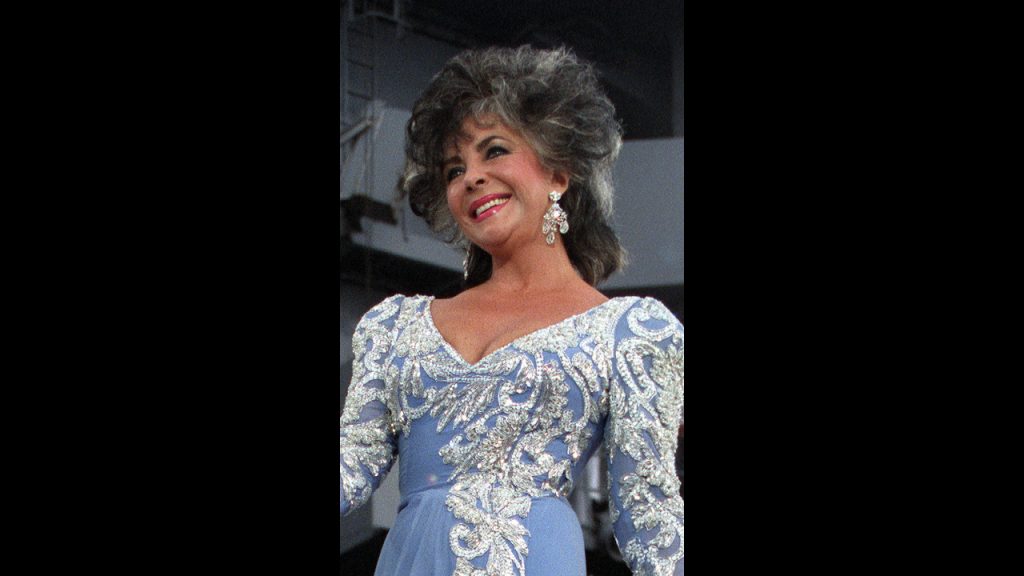
Elizabeth Taylor is often remembered as a dazzling Hollywood icon, known for her striking violet eyes, exceptional talent, and glamorous personal life. But beyond the fame and the red carpets, there’s one surprising fact about her that many people don’t know. Elizabeth Taylor was deeply generous, going far beyond the public eye to care for those close to her with unwavering devotion and kindness.
Despite her legendary status, she lived a life marked by genuine loyalty and thoughtfulness. Those who knew her personally recall how she made sure friends and family received the best care, even opening her home for loved ones in times of need. This side of Elizabeth Taylor reveals a Hollywood legend whose impact extended well beyond her films and activism.
Beyond the headlines and scandals, Taylor’s spirit was defined by a giving heart, reflecting a side of the star that few get to see. Learning about this generosity offers a fresh perspective on one of Hollywood’s most unforgettable figures. For more about her surprising generosity, see this detailed account from her private chef’s experience with her.
The One Surprising Fact About Elizabeth Taylor
Elizabeth Taylor was not only a dazzling star but also a groundbreaking figure in Hollywood’s business side. She broke major barriers in film industry salaries and set new standards for actors everywhere. Her achievements changed how actresses were valued and compensated.
Becoming the First Actress to Earn $1 Million
Elizabeth Taylor made history when she became the first actress to earn $1 million for a single film. This milestone came with her role in Cleopatra (1963), a massive MGM production known for its lavish budget and scale. Despite numerous production issues and delays, Taylor’s talent and box office appeal made her salary unprecedented at the time.
This deal reflected her enormous star power and leverage in negotiating contracts. It wasn’t just about money but also recognition of an actress’s contributions to a film’s success. Earning $1 million during the 1960s was rare, positioning Taylor as a true trailblazer in Hollywood’s pay structure.
Impact on Hollywood Pay and Gender Equality
Taylor’s $1 million salary was a bold statement that set a new precedent for actresses’ earning potential. It challenged the longstanding pay disparity between female and male stars during an era when women were often underpaid for leading roles.
Her success pushed studios like MGM to reconsider compensation policies and helped open doors for future actresses to demand fairer pay. While salary equality remains a work in progress, Taylor’s achievement signaled a shift toward recognizing women’s value in Hollywood.
Beyond dollars, this milestone showed that actresses could command top-tier salaries based on talent and box office draw, not just looks or publicity. Taylor’s trailblazing path contributed to ongoing conversations about gender equality in the entertainment industry and remains a significant part of her legacy.
For more details about her groundbreaking salary, see 50 Facts About Elizabeth Taylor.
Her Early Life and Unique Features
Elizabeth Taylor’s beginnings were marked by both an international upbringing and distinct physical traits that set her apart. Her early entry into acting and natural charm helped lay the groundwork for a lasting Hollywood career.
Birth and Family Background
Elizabeth Rosemond Taylor was born on February 27, 1932, in London, England. Her parents were American art dealers living in the city at the time. With the outbreak of World War II, Taylor’s family relocated back to the United States in 1939 to ensure safety.
This move brought young Elizabeth closer to Hollywood, where her career quickly began. She made her first film appearance at just 10 years old in There’s One Born Every Minute. Her American roots combined with British birth gave her a unique cultural perspective during her formative years.
Violet Eyes and Double Eyelashes
Taylor was famously known for her striking violet eyes, one of her most captivating and unusual physical features. This rare eye color contributed greatly to her screen presence, making her instantly recognizable.
She also had a genetic condition called distichiasis, which gave her double rows of eyelashes. This feature enhanced the dramatic effect of her eyes, making them even more memorable. Both traits contributed to her signature look, frequently highlighted by makeup and fashion choices that emphasized her expressive gaze.
Transition from Child Star to Hollywood Legend
Starting as a child star with MGM, Elizabeth Taylor faced the challenge many young actors do: evolving from youthful roles into complex adult characters. Her breakthrough came with the 1944 film National Velvet, where she played a determined young girl training a horse.
Her early success helped her maintain momentum into adult roles, a transition not easily achieved. MGM recognized her talent and potential, signing her as a key figure. Taylor’s ability to mature on screen without losing fan appeal played a crucial role in her rise to become one of Hollywood’s most enduring legends.
Learn more about her unique features and early career at this in-depth biography.
Career Highlights and Iconic Roles
Elizabeth Taylor’s career spanned decades, marked by groundbreaking roles, multiple awards, and unforgettable partnerships. She established herself as a Hollywood icon through powerful performances that captured audiences and critics alike. Her range was impressive, from glamorous epics to intense dramas.
Breakthrough Performances in Classic Films
Taylor’s rise began early, but her role as Cleopatra in 1963 remains one of her most iconic. This film not only showcased her beauty and talent but also made her the first actress to receive a $1 million paycheck for a single role. Before Cleopatra, she starred in Butterfield 8 (1960), which earned her one of two Academy Awards during her career.
Her striking presence also shone in Father of the Bride (1950), a charming comedy that endeared her to audiences. Early co-stars included legends like Montgomery Clift and James Dean, with whom her performances helped define classic Hollywood’s golden age.
Awards and Critical Acclaim
Elizabeth Taylor won two Academy Awards for Best Actress, for Butterfield 8 and Who’s Afraid of Virginia Woolf? (1966). The latter film displayed her incredible depth as an actress, revealing a raw, emotional performance that remains highly regarded.
In 1999, the American Film Institute named her the seventh-greatest female screen legend, solidifying her legacy. Beyond Oscars, her performances earned numerous accolades and critical praise throughout her lifetime, reflecting both versatility and staying power in a highly competitive industry.
On-Screen Chemistry and Notable Partnerships
Taylor’s professional and personal lives often intertwined, especially with her famed on-screen and off-screen partner, Richard Burton. They appeared together in Who’s Afraid of Virginia Woolf? as well as films like Cleopatra and The Taming of the Shrew. Their passionate performances and turbulent relationship fascinated the public and added extra layers to their roles.
She also acted opposite other notable stars like Michael Wilding, her second husband, and was part of ensembles with actors who defined their era. These collaborations helped amplify her status as a major Hollywood drawing card and contributing to her recognition as a true cultural icon.
For more detailed insights, see 30 Facts About Elizabeth Taylor.
Personal Life and Marriages
Elizabeth Taylor’s personal life was as dramatic and captivating as her film career. She experienced deep love, painful losses, and public scrutiny that shaped the woman behind the famous violet eyes. Her relationships often made headlines, yet there were surprising complexities beneath the surface.
Eight Marriages and Media Attention
Elizabeth Taylor was married eight times to seven different men, a fact that fascinated the public for decades. Her first marriage was to Conrad Hilton Jr., heir to the Hilton hotel fortune, when she was just 18. This early union ended quickly, reflecting her youthful inexperience with romance.
Her relationship with Mike Todd, her third husband, was special but tragically cut short by his death in a plane crash. Taylor later married Michael Wilding, Eddie Fisher, Richard Burton (twice), John Warner, and Larry Fortensky. Taylor’s intense and very public affair with Richard Burton became one of Hollywood’s most legendary romances. Each marriage brought media frenzy, often overshadowing her work but defining her as a figure of both passion and controversy.
Notable Relationships and Rare Insights
Several of Taylor’s relationships were more than just tabloid fodder; they revealed deeper struggles. Her marriage to Eddie Fisher, for instance, was marked by fear and turmoil. Recently uncovered audio tapes reveal Fisher’s jealousy turned violent, with Taylor describing moments of danger. This sheds light on the darker aspects behind the glitz.
Her romance with Richard Burton was as tumultuous as famous, featuring frequent fights and public confrontations. Despite the chaos, Burton was a pivotal figure in both her personal and professional life. Mike Todd’s early death deeply affected Taylor, leading her to convert to Judaism in his memory, a decision that was deeply personal and significant in a conservative Hollywood.
Life Beyond the Headlines
Though Taylor’s love life received relentless attention, it was just one part of her complex personal world. She became a trailblazer in movie salaries, famously earning $1 million for Cleopatra, which also introduced her to Burton. Outside marriage and media, Taylor was fiercely private, often expressing regret over fame’s invasiveness.
Her later years showed a dedication to philanthropy and activism, driven by personal loss and close friendships, especially with friends like Rock Hudson. Taylor’s personal life was shaped by love and tragedy but also by resilience and a desire for connection beyond the tabloid spotlight.
For a deeper look into Elizabeth Taylor’s romantic history and marriages, visit this detailed account of Elizabeth Taylor’s husbands and marriages.
Her Passion for Jewelry and Business Success
Elizabeth Taylor’s love for jewelry was deeply personal and iconic, blending beauty with history. At the same time, she demonstrated sharp business insight, turning her fame into lasting ventures.
Legendary Jewelry Collection
Elizabeth Taylor owned some of the most famous jewels in history, including the legendary 33.19-carat Krupp Diamond which she later renamed the Elizabeth Taylor Diamond. It was known for its exceptional brilliance and set world records for price per carat. Her collection featured pieces with remarkable stories, like the La Peregrina pearl, and the glamorous emeralds and diamonds given by Richard Burton.
Her jewelry wasn’t just for show—it reflected her life’s romances and career. Many jewels showed wear, revealing they were cherished and often worn, not stored away. The collection included exquisite designs by renowned houses like Bulgari and Van Cleef & Arpels, symbolizing both personal passion and timeless glamour. These pieces remain an enduring part of her legacy. For more about her jewelry collection, visit this detailed look at Elizabeth Taylor’s jewelry.
Celebrity Perfumes and Entrepreneurial Ventures
Beyond collecting jewels, Elizabeth Taylor became a savvy businesswoman with her foray into celebrity perfumes. She launched her first fragrance, Passion, in 1987, which was a surprising but successful move. This perfume helped her establish a thriving business under the Elizabeth Arden brand.
Her success in fragrances showcased her ability to blend glamour with commerce. The perfumes captured her essence and appeal, turning personal branding into a lasting enterprise. This venture stood out at a time when celebrity endorsements were just becoming popular, marking Elizabeth as a pioneer in the field. Learn more about her entrepreneurial journey here.
Activism, Later Years, and Enduring Influence
Elizabeth Taylor used her fame to bring critical attention to the AIDS epidemic, tirelessly working to fund research and fight stigma. Her deep friendships with notable figures shaped much of her later life. Her activism continues to inspire, leaving a meaningful legacy beyond Hollywood.
AIDS Research and Philanthropy
From the early 1980s, Elizabeth Taylor emerged as one of the first major celebrities to publicly confront the AIDS crisis. She co-founded the American Foundation for AIDS Research (amfAR) and chaired significant fundraisers like AIDS Project Los Angeles’ Commitment to Life.
In 1991, she established The Elizabeth Taylor AIDS Foundation (ETAF) to provide direct care and support to people affected by HIV/AIDS. She also lobbied political leaders, including President Reagan, demanding action when stigma often silenced the issue.
Her efforts helped raise hundreds of millions of dollars and brought much-needed awareness when fear and misinformation were rampant. The foundation’s ongoing work addresses outdated laws through programs like HIV Is Not A Crime.
Friendships with Icons and Final Years
Taylor’s activism was deeply personal. When her close friend Rock Hudson died of AIDS in 1985, Taylor’s resolve to support those suffering from the disease intensified. She maintained connections with other high-profile figures, including Michael Jackson, staying engaged with cultural and humanitarian issues.
Toward the end of her life, Taylor continued to visit AIDS patients and attend events advocating for research and care. She balanced her philanthropic work with public appearances and private life until her death in 2011.
Her human approach to activism emphasized compassion over celebrity, setting a tone for many who followed. Taylor remained a grounded and passionate advocate even as her global fame endured.
Recognitions and Lasting Legacy
Elizabeth Taylor is often called the “patron saint of AIDS” for her pioneering activism. Numerous honors recognize her contributions to public health and social justice.
Her legacy includes the growth of the Elizabeth Taylor AIDS Foundation, which actively challenges stigma and supports vulnerable populations. The foundation celebrated the second annual “HIV Is Not A Crime Awareness Day” in partnership with organizations like The Sero Project.
Beyond awards, her real impact lies in changing public perceptions of HIV/AIDS and pushing for compassionate laws and policies. Taylor’s activism paved the way for others to speak openly and demand better care and rights for those affected. For more details on her impact, see Elizabeth Taylor’s lasting influence on AIDS activism.
Leave a Reply